
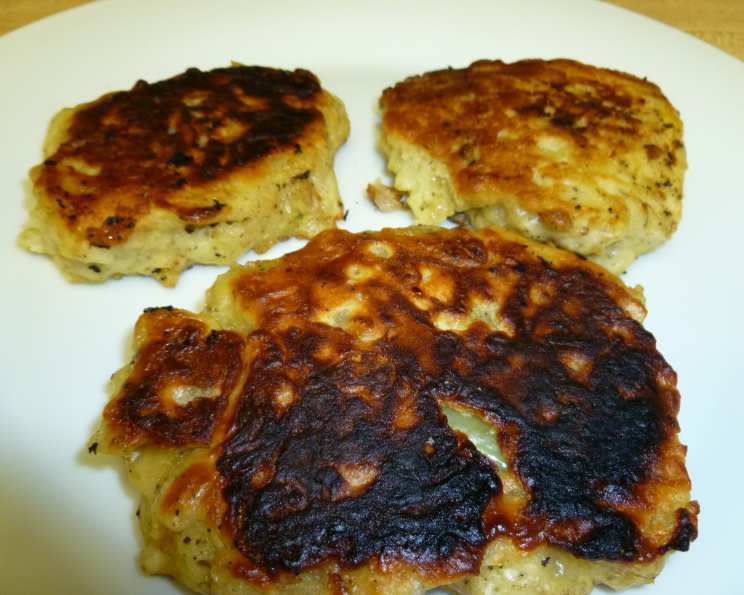
Cabbage Cakes: A Taste of Comfort and Simplicity
I can almost smell the faint aroma of sautéed cabbage and onions wafting from my grandmother’s kitchen whenever I think of these little cakes. As a child, I remember standing on a stool next to her, mesmerized as she expertly flipped them in her well-worn cast iron skillet. The edges would crisp up beautifully, a delightful contrast to the tender, slightly sweet interior. These weren’t just cabbage cakes; they were edible love letters, warm pockets of comfort that filled both our bellies and our hearts.
Recipe Overview
- Prep Time: 15 minutes
- Cook Time: 20 minutes
- Total Time: 35 minutes
- Servings: 4-6
- Yield: Approximately 12 cakes
- Dietary Type: Vegetarian
Ingredients
- 1 tablespoon olive oil
- 1/2 head cabbage (small, cored and sliced thin)
- 1 onion, thinly sliced
- Pepper, to taste
- 1 1/3 cups yogurt, plain
- 2/3 cup milk
- 1/4 cup vegetable oil
- 2 eggs
- 2 cups flour
- 4 teaspoons baking powder
- 1 teaspoon baking soda
- Butter (optional, for greasing the pan)
Equipment Needed
- Large skillet
- Mixing bowls
- Whisk
- Spatula
Instructions
-
Begin by heating the olive oil in a large skillet over medium heat. Make sure the skillet is evenly heated to prevent sticking.
-
Add the thinly sliced cabbage and onion to the skillet. Cook and stir frequently until the vegetables are soft and fragrant. This should take approximately 10 minutes. Keep a close eye on them to prevent burning. If the onions start to brown too quickly, lower the heat slightly.
-
Season the softened cabbage and onion mixture with pepper to taste. Remember that you can always add more seasoning later, but it’s difficult to remove it. Once seasoned, set the pan aside to cool slightly. This is important because adding the hot mixture to the wet ingredients can partially cook the eggs.
-
In a separate bowl, whisk together the yogurt, milk, vegetable oil, and eggs until the mixture is evenly blended and smooth. This ensures the ingredients are properly incorporated and prevents lumps in the batter.
-
In a large bowl, combine the flour, baking powder, and baking soda. Whisk these dry ingredients together thoroughly. This is crucial for ensuring the baking powder and baking soda are evenly distributed, which will give the cakes a light and fluffy texture.
-
Create a well in the center of the dry ingredients. This well will serve as a receptacle for the wet ingredients, allowing for easier and more even mixing.
-
Pour the wet mixture into the well in the dry ingredients. Gently stir until just well combined. Be careful not to overmix, as this can develop the gluten in the flour and result in tough cakes. A few lumps are perfectly fine.
-
Gently fold the cooled cabbage and onion mixture into the pancake batter until evenly distributed. Avoid stirring vigorously, as this can deflate the batter and make the cakes dense.
-
Heat a large skillet over medium heat. If necessary, lightly grease the skillet with butter or oil to prevent sticking. The temperature should be hot enough to cook the cakes without burning them. Test the heat by dropping a small amount of batter into the skillet; it should sizzle gently.
-
Pour approximately 1/4 cupfuls of batter onto the hot skillet, leaving enough space between each cake to allow for spreading.
-
Cook until bubbles begin to appear on the surface of the cakes, and the bottoms are golden brown. This will take a few minutes per side.
-
Flip the cakes carefully with a spatula and continue cooking until they are browned on the other side and cooked through. The internal temperature should reach 165°F (74°C).
-
Remove the cabbage cakes from the skillet and place them on a wire rack to cool slightly before serving.
Expert Tips & Tricks
- Don’t overcrowd the pan: Cook the cabbage cakes in batches to ensure they cook evenly and brown properly. Overcrowding lowers the pan temperature and can result in soggy cakes.
- Control the heat: Adjust the heat as needed to prevent burning. If the cakes are browning too quickly, lower the heat.
- Use a non-stick skillet: A non-stick skillet will make it easier to flip the cakes and prevent them from sticking. If you don’t have a non-stick skillet, make sure to grease the pan well.
- Add herbs: Experiment with adding fresh herbs like dill, parsley, or chives to the batter for extra flavor.
- Cheese, please!: A sprinkle of grated cheese (cheddar, parmesan, or feta) into the batter can add a savory touch.
Serving & Storage Suggestions
Serve these cabbage cakes warm as a side dish, appetizer, or even a light meal. They pair well with sour cream, Greek yogurt, or a simple vinaigrette. For a more substantial meal, serve them alongside grilled chicken, sausage, or a fried egg.
Leftover cabbage cakes can be stored in an airtight container in the refrigerator for up to 3 days. To reheat, you can warm them in a skillet over medium heat or in the oven at 350°F (175°C) until heated through. You can also freeze the cabbage cakes for longer storage. Wrap them individually in plastic wrap and then place them in a freezer bag. They can be frozen for up to 2 months. Reheat them directly from frozen in the oven or skillet.
Nutritional Information
| Nutrient | Amount per Serving | % Daily Value |
|---|---|---|
| Calories | 315 kcal | 16% |
| Total Fat | 15g | 23% |
| Saturated Fat | 4g | 20% |
| Cholesterol | 75mg | 25% |
| Sodium | 500mg | 21% |
| Total Carbohydrate | 35g | 12% |
| Dietary Fiber | 3g | 12% |
| Sugars | 5g | – |
| Protein | 10g | 20% |
Note: Nutritional information is an estimate and may vary based on specific ingredients and portion sizes.
Variations & Substitutions
- Gluten-Free Cabbage Cakes: Substitute the all-purpose flour with a gluten-free flour blend. You may need to add a little more liquid to achieve the desired batter consistency.
- Dairy-Free Cabbage Cakes: Replace the yogurt and milk with plant-based alternatives such as soy yogurt and almond milk.
- Spicy Cabbage Cakes: Add a pinch of red pepper flakes or a dash of hot sauce to the batter for a spicy kick.
- Different Vegetables: Feel free to experiment with other vegetables, such as carrots, zucchini, or bell peppers.
FAQs (Frequently Asked Questions)
Q: Can I use pre-shredded cabbage?
A: Yes, you can use pre-shredded cabbage to save time, but fresh cabbage will generally have a better texture and flavor.
Q: Can I make the batter ahead of time?
A: It’s best to make the batter fresh, as the baking powder and baking soda will lose their effectiveness over time. However, you can sauté the cabbage and onions ahead of time and store them in the refrigerator until ready to use.
Q: How do I prevent the cabbage cakes from being soggy?
A: Make sure the skillet is hot enough before adding the batter, and don’t overcrowd the pan. Also, avoid overmixing the batter.
Q: Can I bake these instead of frying them?
A: While traditionally fried, you can bake them on a greased baking sheet at 375°F (190°C) for about 15-20 minutes, flipping halfway through.
Q: What if I don’t have yogurt?
A: Sour cream or even buttermilk can be used as a substitute for yogurt.
Final Thoughts
These humble cabbage cakes are a testament to the fact that simple ingredients, combined with a little love and care, can create something truly special. Whether you’re looking for a comforting side dish or a unique way to use up leftover cabbage, I encourage you to give this recipe a try. Feel free to experiment with different flavors and seasonings to make it your own. Share your creations and feedback, and maybe even pair them with a crisp, dry white wine for a truly delightful experience. Happy cooking!