
The Enduring Magic of Cajeta: A Culinary Journey
The first time I tasted true cajeta, I was far from my professional kitchen, sitting on a sun-drenched patio in a small town near San Miguel de Allende. A generous woman with flour-dusted hands pressed a warm churro into my palm, still glistening with cinnamon sugar. But it wasn’t the churro that captured my senses; it was the rich, almost intoxicating swirl of dark caramel sauce served alongside. The intense goat’s milk flavor, the slow dance of sweetness and slight tang, the luxuriously smooth texture – it was unlike any caramel I’d ever encountered. That day, I knew I had to master the art of cajeta.
Recipe Overview
- Prep Time: 15 minutes
- Cook Time: 1 hour 30 minutes
- Total Time: 1 hour 45 minutes
- Yields: 4 cups
- Serves: 20
- Dietary Type: Vegetarian
Ingredients
- 2 quarts milk
- 3 cups sugar
- 1/4 teaspoon baking soda
- 1 small cinnamon stick
Equipment Needed
- Large, heavy-bottomed saucepan
- Wooden spoon or heat-resistant spatula
- Another saucepan for heating milk
- Glass container for storage
Instructions
- Begin by combining 1 quart of the milk with the 3 cups of sugar in a large, heavy-bottomed saucepan. This type of pan is crucial to ensure even heating and prevent scorching.
- Place the saucepan over low heat. The key to successful cajeta is patience. Cook the mixture slowly, stirring frequently with a wooden spoon or heat-resistant spatula, until it turns a beautiful, rich golden color. This initial caramelization process can take some time, so don’t be tempted to crank up the heat.
- While the sugar and milk mixture is caramelizing, prepare the second quart of milk. In another saucepan, stir in the 1/4 teaspoon of baking soda. The baking soda helps to neutralize the acidity in the milk, contributing to the smooth texture of the final product.
- Add the 1 small cinnamon stick to the milk and baking soda mixture. Bring this mixture to a boil over medium heat. The cinnamon will infuse a subtle warmth and complexity into the cajeta.
- Once the milk and baking soda mixture has come to a boil, remove the cinnamon stick and discard it. Be sure to fish out any small pieces that may have broken off.
- Now comes the delicate part: very gradually add the hot milk mixture to the caramelizing milk and sugar mixture, stirring constantly. Pouring too quickly can cause splattering and uneven cooking. A slow, steady stream is best.
- Continue stirring constantly until all of the hot milk has been incorporated into the caramel mixture. At this point, the mixture may look a bit curdled or separated, but don’t worry – it will come together as it cooks.
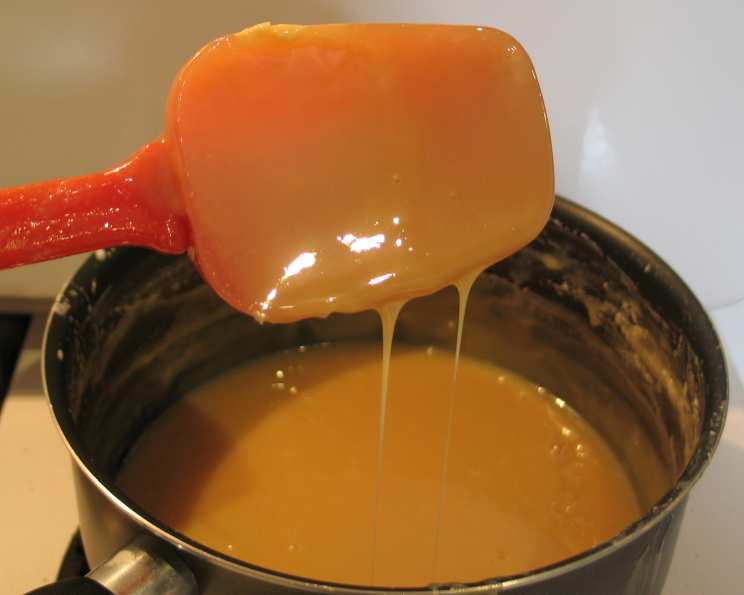
- Reduce the heat to low and cook the cajeta very slowly, stirring frequently, until the mixture thickens to the consistency of melted caramel. This process can take upwards of an hour, depending on the heat and humidity. You’ll know it’s ready when it coats the back of a spoon and a line drawn through it with your finger holds its shape.
- Remove the saucepan from the heat and allow the cajeta to cool slightly before pouring it into a clean glass container.
- Once it has cooled to room temperature, cover the container tightly and chill in the refrigerator until completely cold. The cajeta will thicken further as it cools.
Expert Tips & Tricks
- Preventing Scorching: The biggest risk when making cajeta is scorching the milk and sugar. Use a heavy-bottomed saucepan and keep the heat very low. Stir frequently, paying particular attention to the bottom of the pan where the mixture is most likely to stick.
- Achieving the Right Consistency: The cooking time will vary depending on your stove and the humidity. The best way to test for doneness is to use the “spoon test.” Dip a spoon into the cajeta and then run your finger across the back of the spoon. If the line holds its shape and doesn’t immediately run back together, the cajeta is ready.
- Adding Flavor: While the cinnamon stick adds a lovely warmth, you can experiment with other flavorings, such as a vanilla bean (split and scraped), a pinch of sea salt, or even a small piece of star anise.
- Goat’s Milk vs. Cow’s Milk: Traditional cajeta is made with goat’s milk, which gives it a distinct tang and flavor. If you can find high-quality goat’s milk, it’s worth using. However, cow’s milk can be substituted, though the flavor will be milder. You can add a tablespoon of creme fraiche at the end of cooking to replicate a bit of the tang.
- Dealing with Graininess: Sometimes, cajeta can turn out grainy. This is usually due to undissolved sugar crystals. To prevent this, make sure the sugar is completely dissolved before bringing the mixture to a boil. You can also add a tablespoon of corn syrup to help prevent crystallization.
Serving & Storage Suggestions
Cajeta is incredibly versatile. It can be enjoyed in so many ways.
- As a topping: Drizzle it over ice cream, pancakes, waffles, or French toast.
- As a filling: Use it to fill crepes, pastries, or cakes.
- As a spread: Spread it on bread, toast, biscuits, or crackers.
- As a dip: Serve it with churros, fruit, or cookies.
- Pair with: Manchego cheese and membrillo (quince paste) for a classic Spanish-inspired treat.
Store cajeta in an airtight container in the refrigerator for up to two weeks. It can also be frozen for up to three months. To reheat, gently warm it in a saucepan over low heat, stirring occasionally, or microwave in short bursts, stirring in between.
Nutritional Information
| Nutrient | Amount per Serving | % Daily Value |
|---|---|---|
| Calories | 178.6 kcal | N/A |
| Calories from Fat | 32 g | 18 % |
| Total Fat | 3.6 g | 5 % |
| Saturated Fat | 2.2 g | 11 % |
| Cholesterol | 13.7 mg | 4 % |
| Sodium | 63.6 mg | 2 % |
| Total Carbohydrate | 34.5 g | 11 % |
| Dietary Fiber | 0 g | 0 % |
| Sugars | 30 g | 119 % |
| Protein | 3.2 g | 6 % |
Variations & Substitutions
- Spiced Cajeta: Infuse the milk with other spices like cardamom, cloves, or a pinch of chili powder.
- Coffee Cajeta: Add a tablespoon of instant espresso powder to the milk mixture for a coffee-flavored cajeta.
- Nutty Cajeta: Stir in toasted nuts like pecans, walnuts, or almonds after the cajeta has cooled slightly.
- Dairy-Free Cajeta (Vegan Adaptation): While traditionally made with dairy, you can attempt a vegan version using full-fat coconut milk and a touch of coconut sugar. The flavor will be different but can still be delicious. You may need to adjust cooking times. Note: This is a significant departure from the traditional recipe and may require experimentation.
FAQs (Frequently Asked Questions)
Q: Can I use a different type of sugar?
A: While granulated sugar is the most common choice, you could experiment with brown sugar for a deeper, molasses-like flavor. However, be aware that it will affect the color and texture of the cajeta.
Q: Why is my cajeta too thin?
A: It likely needs to be cooked longer. Continue simmering over low heat, stirring frequently, until it reaches the desired consistency. Remember that it will thicken as it cools.
Q: Why is my cajeta grainy?
A: This is usually due to undissolved sugar crystals. Make sure the sugar is completely dissolved before bringing the mixture to a boil. You can also add a tablespoon of corn syrup to help prevent crystallization.
Q: Can I make this in a slow cooker?
A: While possible, it’s not recommended. The direct heat of a stovetop allows for better control of the caramelization process. A slow cooker might result in a less flavorful or textured cajeta.
Q: How can I tell if my cajeta is burnt?
A: Burnt cajeta will have a bitter, acrid taste and a very dark color. It’s best to discard it and start over, paying closer attention to the heat and stirring more frequently.
Final Thoughts
Making cajeta is a lesson in patience and the magic of simple ingredients transformed. While it requires a bit of time and attention, the reward is a truly exceptional caramel sauce that elevates everything it touches. So, gather your ingredients, put on some music, and embrace the slow, meditative process of creating this culinary treasure. Don’t be afraid to experiment with different flavors and pairings. Most importantly, enjoy the delicious journey! Share your creations and experiences – I’d love to hear how you make this recipe your own.