
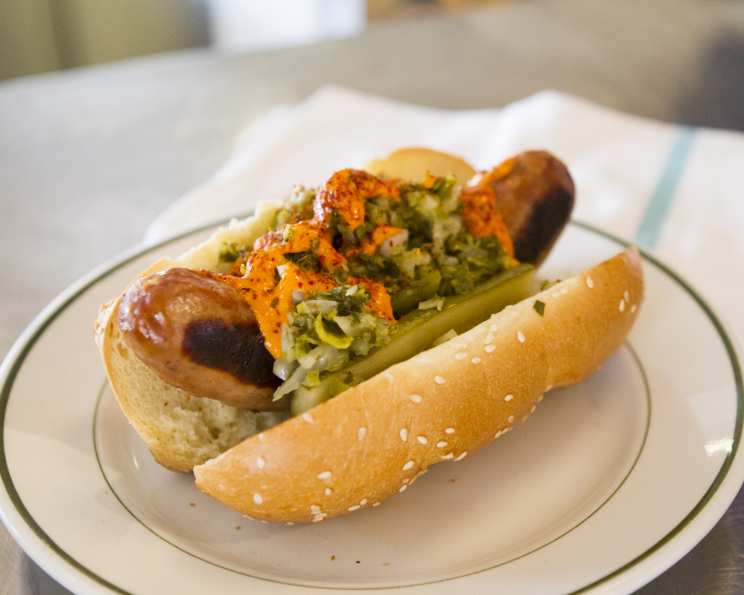
Cajun Boudin: A Taste of Louisiana in Every Bite
The first time I had authentic Cajun boudin, I was a wide-eyed culinary student tagging along with my mentor on a research trip through Louisiana. We’d pulled into a roadside smokehouse, the air thick with the intoxicating aroma of wood smoke and spices. He just smiled and handed me a link, warm and glistening. The explosion of flavor – the rich pork, the savory rice, the fiery blend of Cajun spices – was unlike anything I’d ever experienced. It was a revelation, a culinary awakening that set me on a lifelong quest to master the art of sausage making, and boudin will always be where it began.
Recipe Overview
- Prep Time: 30 minutes (plus overnight marinating)
- Cook Time: 3 hours
- Total Time: 3 hours 30 minutes (plus overnight marinating)
- Yields: Approximately 5 sausages
- Dietary Type: Not Gluten-Free, Not Dairy-Free
Ingredients
- 3 ½ lbs pork shoulder
- 4 ounces chicken livers
- 4 ounces bacon
- 30 g salt
- 4 g curing salt, #1 (can be excluded if unavailable)
- 16 g brown sugar
- 16 g Old Bay Seasoning
- 8 g chili powder
- 6 g red chili pepper flakes
- 5 g garlic granules
- 4 g hot paprika
- 1 g cayenne pepper
- 1 g file powder
- 10 g ground black pepper
- 1 g ground fennel
- 1 g ground cumin
- 1 g ground mace
- 1 cup scallion, chopped
- 1 cup red bell pepper, diced
- ½ cup green bell pepper, diced
- 1 cup cooked rice, cooled
- 1 tablespoon Tabasco sauce
Equipment Needed
- Meat grinder
- Large mixing bowl
- Sausage stuffer
- Hog casings
- Sous vide immersion circulator (or large pot)
- Vacuum sealer (optional)
Instructions
-
Prepare the Meat: Begin by cutting the pork shoulder, chicken livers, and bacon into cubes that are small enough to easily fit into your meat grinder. Uniform sizes are crucial for consistent grinding.
-
Marinate: In a large mixing bowl, combine the cubed pork, chicken livers, and bacon with the salt, curing salt (if using), brown sugar, Old Bay Seasoning, chili powder, red chili pepper flakes, garlic granules, hot paprika, cayenne pepper, file powder, ground black pepper, ground fennel, ground cumin, and ground mace. Ensure the meat is thoroughly coated with the spices.
-
Refrigerate: Cover the bowl tightly with plastic wrap and refrigerate the marinated meat mixture overnight. This allows the flavors to meld and penetrate deeply into the meat.
-
Cook the Rice: While the meat marinates, cook the rice according to your preferred method. Once cooked, allow the rice to cool completely. This step is important because warm rice can affect the emulsification of the sausage.
-
Flavor the Rice: Once the rice is cooled, sprinkle the Tabasco sauce evenly over it. This adds a crucial touch of acidity and heat that balances the richness of the sausage.
-
Grind the Meat: Using a meat grinder fitted with a 3/16th-inch die (a medium grind), grind the marinated meat mixture. It’s helpful to chill the grinder parts in the freezer for about 30 minutes before grinding to prevent the fat from smearing.
-
Emulsify: After grinding, lightly par-freeze the ground meat mixture for about 15-20 minutes. This helps with emulsification. Then, using a stand mixer with a paddle attachment, paddle the mixture until it is fully emulsified and smooth. This process ensures a cohesive and creamy texture. Watch carefully to prevent over-mixing, which can lead to a grainy texture.
-
Incorporate Rice and Vegetables: Gently fold in the cooked and seasoned rice, scallions, red bell pepper, and green bell pepper into the emulsified meat mixture. Be careful not to overmix at this stage; you want the rice and vegetables to be evenly distributed but not completely mashed.
-
Stuff the Casings: Prepare your sausage stuffer with hog casings. Carefully stuff the boudin mixture into the casings, being mindful not to overfill, which can cause them to burst during cooking. Twist the sausages into links of your desired length.
-
Freeze: Lay the stuffed sausages on a baking sheet lined with parchment paper and freeze them until solid. This helps them maintain their shape during cooking.
-
Separate and Seal: Once frozen, separate the individual sausages. If you have a vacuum sealer, vacuum seal each sausage individually for optimal storage and preservation.
-
Cook Sous Vide (or Simmer): Using a sous vide immersion circulator, cook the sealed boudin sausages at 155°F (68°C) for 3 hours. This ensures the sausage is cooked evenly and safely.
Alternative Method: If you don’t have a sous vide, you can gently simmer the sausages in water at a low temperature (around 170°F or 77°C) for the same amount of time (3 hours). Be extra careful not to boil them, as this can cause them to burst.
Expert Tips & Tricks
- Spice Adjustment: Taste the meat mixture before stuffing it into the casings. Adjust the spice levels to your preference by adding more cayenne pepper or Tabasco sauce for extra heat, or more Old Bay Seasoning for a savory depth.
- Casing Preparation: To make the hog casings easier to work with, soak them in warm water for at least 30 minutes before stuffing. This helps to soften them and makes them more pliable.
- Emulsification Check: To check for proper emulsification, take a small amount of the meat mixture and cook it in a pan. If the cooked mixture has a smooth and creamy texture, you’ve achieved good emulsification. If it’s grainy, continue paddling in the mixer for a bit longer.
- Browning: After the sous vide or simmering process, you can quickly sear the boudin in a hot pan with a little oil to add color and flavor. Just be careful not to overcook it, as it’s already fully cooked inside.
Serving & Storage Suggestions
Serve your Cajun boudin hot, straight from the sous vide or after a quick sear. Traditionally, boudin is served as a snack or appetizer, often with crackers or crusty bread and mustard for dipping. It’s also delicious alongside gumbo or jambalaya as part of a larger Cajun feast.
Storage: Cooked boudin can be stored in the refrigerator for up to 3-4 days. For longer storage, freeze the cooked sausages for up to 2-3 months. Thaw in the refrigerator overnight before reheating.
Reheating: Reheat boudin by simmering it in water, steaming it, or pan-frying it until heated through. You can also microwave it, but this can sometimes result in a slightly rubbery texture.
Nutritional Information
(Approximate values per serving, based on estimated yield)
| Nutrient | Amount per Serving | % Daily Value |
|---|---|---|
| Calories | 850 kcal | 43% |
| Total Fat | 60g | 92% |
| Saturated Fat | 20g | 100% |
| Cholesterol | 280mg | 93% |
| Sodium | 2500mg | 104% |
| Total Carbohydrate | 20g | 7% |
| Dietary Fiber | 3g | 12% |
| Sugars | 5g | – |
| Protein | 60g | 120% |
Variations & Substitutions
- Spicier Boudin: For an extra kick, increase the amount of cayenne pepper or add a few dashes of your favorite hot sauce to the meat mixture. You could also incorporate chopped jalapenos.
- Seafood Boudin: Substitute some of the pork with cooked crawfish tails or shrimp for a seafood-inspired version.
- Venison Boudin: If you’re a hunter, try using ground venison in place of the pork shoulder. The leaner venison will benefit from the addition of extra bacon or pork fat to keep the sausage moist.
- Vegetarian “Boudin”: While not traditional, you can create a vegetarian version using a combination of mushrooms, lentils, and vegetables like sweet potatoes and corn. Season generously with Cajun spices.
- Gluten-Free: While this recipe isn’t traditionally gluten-free due to the Old Bay Seasoning (which contains wheat), you can easily make it gluten-free by using a gluten-free Old Bay alternative or creating your own spice blend.
FAQs (Frequently Asked Questions)
Q: Can I skip the curing salt?
A: Yes, you can omit the curing salt if you prefer, but it does contribute to the color and flavor of the sausage, as well as acting as a preservative.
Q: What if I don’t have hog casings?
A: Hog casings are traditional, but you can use collagen casings as a substitute, although the texture will be slightly different.
Q: Can I cook the boudin on the grill?
A: Absolutely! After the sous vide or simmering, grilling the boudin adds a delicious smoky flavor. Just be careful not to overcook it, as it’s already fully cooked.
Q: How do I prevent the casings from bursting?
A: Avoid overstuffing the casings, and ensure the temperature of the cooking water (if simmering) is not too high. Gentle simmering is key.
Q: What’s the best way to serve boudin?
A: Boudin is traditionally served with mustard and crackers, but it’s also delicious in omelets, jambalaya, or as a filling for stuffed bell peppers.
Final Thoughts
Making your own Cajun boudin might seem like a project, but the rewarding explosion of authentic Louisiana flavor is well worth the effort. Don’t be intimidated to experiment with different spice levels and variations to create your own signature boudin recipe. Gather your ingredients, roll up your sleeves, and transport yourself to the heart of Cajun country with every savory bite. Bon appétit, y’all!