
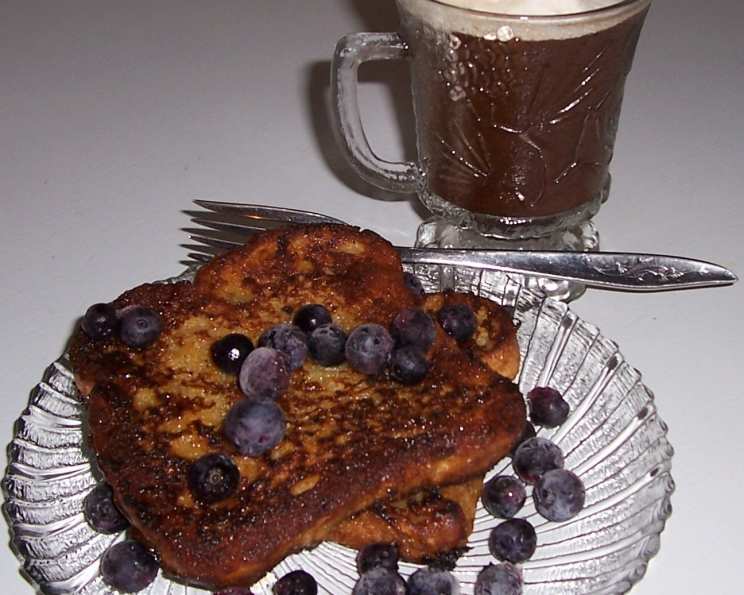
Cajun French Toast: A Sweet Southern Awakening
There’s something about the aroma of French toast that instantly transports me back to my grandmother’s kitchen in Louisiana. The air, thick with humidity and the promise of a slow, easy morning, would be filled with the sweet scent of vanilla and the sizzle of butter in a hot pan. But this wasn’t your typical French toast. This was Cajun French toast – a delightful, subtly spiced version that held its own against the strongest black coffee. It’s a memory I cherish, and a flavor I’m excited to share with you.
Recipe Overview
- Prep Time: 5 minutes
- Cook Time: 5 minutes
- Total Time: 10 minutes
- Servings: 2
- Yield: 4 slices
- Dietary Type: Not specified
Ingredients
- 2 eggs
- 1 cup sugar
- ½ cup evaporated milk
- 4 slices white bread
- 1 tablespoon vanilla extract
- 2 tablespoons shortening
Equipment Needed
- Whisk
- Shallow bowl or dish
- Large skillet
Instructions
- In a shallow bowl, beat the eggs, sugar, and vanilla until the mixture is light and fluffy. The sugar should be well incorporated. This step is crucial for achieving the right texture.
- Add the evaporated milk to the egg mixture and stir gently until everything is combined. Be careful not to overmix; a few streaks are fine.
- Heat a large skillet over medium heat. Add the shortening to the skillet. Allow the shortening to melt completely and coat the bottom of the pan evenly. You want the pan hot enough so the bread sizzles when added.
- One at a time, dip each slice of white bread into the egg mixture, ensuring both sides are thoroughly saturated. Let any excess drip off before placing it in the hot skillet.
- Cook two slices of bread at a time, if possible, to avoid overcrowding the pan. Overcrowding can lower the pan temperature and result in soggy French toast.
- Brown each side of the bread for approximately 2-3 minutes, or until golden brown and slightly crispy. Watch carefully to prevent burning.
- Once the first batch is cooked, remove it from the skillet and set aside.
- Add more shortening to the skillet if necessary, then continue cooking the remaining bread slices in the same manner.
Expert Tips & Tricks
- Don’t soak the bread for too long! The ideal dip time is just a few seconds per side. Over-soaked bread will become soggy and fall apart in the skillet.
- Use stale bread. Bread that’s a day or two old will absorb the custard better without becoming mushy. If your bread is fresh, you can lightly toast it in a low oven for a few minutes to dry it out.
- Adjust sweetness to your liking. If you prefer a less sweet French toast, reduce the sugar to ¾ cup.
- For a richer flavor, use a combination of butter and shortening. The butter adds a nutty flavor, while the shortening prevents it from burning too quickly.
- Keep the cooked French toast warm in a low oven (around 200°F or 95°C) while you finish cooking the remaining slices. This will prevent it from getting cold and soggy.
Serving & Storage Suggestions
Serve this Cajun French toast immediately while it’s warm and crispy. While the recipe claims syrup isn’t necessary, I disagree! A drizzle of maple syrup, a dusting of powdered sugar, or a dollop of whipped cream adds a delightful finishing touch. Fresh fruit, such as berries, sliced bananas, or peaches, also complements the richness of the French toast beautifully.
Leftover French toast can be stored in an airtight container in the refrigerator for up to 2 days. To reheat, bake in a preheated oven at 350°F (175°C) for about 5-7 minutes, or until heated through and slightly crispy. You can also reheat it in a toaster oven or microwave, but be aware that it may lose some of its crispness.
Freezing is not recommended, as the texture can become soggy upon thawing. However, if you must freeze it, wrap each slice individually in plastic wrap and then place them in a freezer bag. Thaw overnight in the refrigerator and reheat as described above.
Nutritional Information
| Nutrient | Amount per Serving | % Daily Value |
|---|---|---|
| Calories | 809.8 kcal | N/A |
| Calories from Fat | N/A | N/A |
| Total Fat | 24.2 g | 37% |
| Saturated Fat | 8 g | 40% |
| Cholesterol | 229.8 mg | 76% |
| Sodium | 477.9 mg | 19% |
| Total Carbohydrate | 132.8 g | 44% |
| Dietary Fiber | 1.2 g | 4% |
| Sugars | 103.3 g | 413% |
| Protein | 14.4 g | 28% |
Note: Daily values are based on a 2,000 calorie diet. Nutritional information is an estimate and may vary based on specific ingredients and preparation methods.
Variations & Substitutions
- Spice it up! Add a pinch of cinnamon, nutmeg, or a dash of cayenne pepper to the egg mixture for a more pronounced Cajun flavor.
- Use different bread. While white bread is traditional, you can experiment with brioche, challah, or even croissants for a richer and more decadent French toast.
- Dairy-free option. Substitute the evaporated milk with almond milk, soy milk, or coconut milk.
- Sweetener alternatives. Replace the granulated sugar with honey, maple syrup, or agave nectar. Adjust the amount to your preference.
- Citrus Zest: Add the zest of an orange or lemon to the batter for a bright, fresh flavor.
- Liquor Infusion: A splash of rum, bourbon, or orange liqueur to the batter can add a sophisticated touch.
FAQs (Frequently Asked Questions)
Q: Can I make this ahead of time?
A: While best enjoyed fresh, you can prepare the egg mixture ahead of time and store it in the refrigerator for up to 24 hours. Just give it a good whisk before using.
Q: What is evaporated milk?
A: Evaporated milk is cow’s milk that has had about 60% of its water removed, resulting in a concentrated, slightly caramelized flavor. It’s available in cans in the baking aisle.
Q: My French toast is burning on the outside but still raw on the inside. What am I doing wrong?
A: Your skillet is likely too hot. Reduce the heat to medium-low and cook the French toast for a longer period.
Q: Can I use regular milk instead of evaporated milk?
A: While you can, evaporated milk provides a richer flavor and creamier texture. If using regular milk, add a tablespoon of heavy cream for added richness.
Q: Is it necessary to use shortening?
A: Shortening helps create a crispy exterior and prevents the French toast from sticking to the pan. You can substitute it with butter or coconut oil, but be mindful of the cooking temperature to avoid burning.
Final Thoughts
This Cajun French toast recipe is more than just a breakfast dish; it’s a taste of Southern comfort and a cherished memory. I encourage you to try it, experiment with different variations, and make it your own. Whether you’re serving it to overnight guests or simply treating yourself to a special breakfast, this recipe is sure to bring a smile to your face. Don’t hesitate to share your feedback and experiences – I’d love to hear how it turns out! Pair it with a steaming cup of café au lait for the ultimate Southern breakfast experience.