
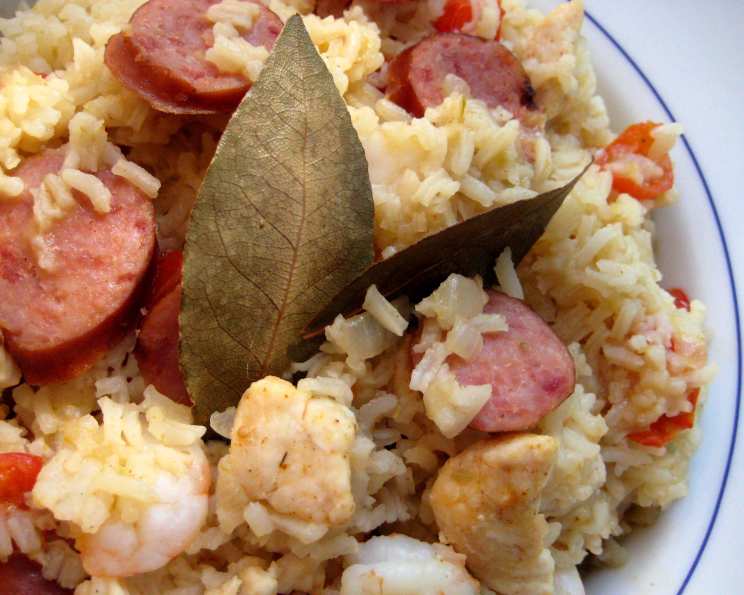
Cajun Jambalaya: A Taste of Louisiana with Emeril Lagasse
The first time I tasted Jambalaya was at a small, bustling restaurant in New Orleans. The aroma alone – a blend of smoky sausage, fragrant spices, and simmering rice – pulled me in from the street. One bite, and I was hooked. It was a symphony of flavors; the gentle heat of the spices dancing with the richness of the meats and the comforting texture of the rice. It felt like sunshine and celebration, all in one pot, a memory I try to recreate in my own kitchen with this recipe.
Recipe Overview
- Prep Time: 20 minutes
- Cook Time: 25 minutes
- Total Time: 45 minutes
- Servings: 4
- Dietary Type: Varies depending on sausage used, see variations
Ingredients
- 12 medium shrimp, peeled, deveined, and chopped
- 4 ounces chicken, diced
- 1 tablespoon Creole seasoning (recipe follows, or store-bought)
- 2 tablespoons olive oil
- 1/4 cup onion, chopped
- 1/4 cup green bell pepper, chopped
- 1/4 cup celery, chopped
- 2 tablespoons garlic, chopped
- 1/2 cup tomatoes, chopped
- 3 bay leaves
- 1 teaspoon Worcestershire sauce
- 1 teaspoon hot sauce
- 3/4 cup rice
- 3 cups chicken stock
- 5 ounces Andouille sausage, sliced
- Salt and pepper to taste
Equipment Needed
- Large saucepan or Dutch oven
- Mixing bowl
- Cutting board
- Knife
Instructions
- In a mixing bowl, combine the shrimp, chicken, and Creole seasoning. Ensure the seasoning is thoroughly worked into the meat. This step is crucial for infusing the proteins with that characteristic Cajun flavor.
- In a large saucepan or Dutch oven, heat the olive oil over high heat. Add the onion, green bell pepper, and celery. Cook for approximately 3 minutes, stirring frequently, until the vegetables begin to soften and the onions become translucent. This is known as the “holy trinity” of Cajun cuisine, and is the foundation for building flavor.
- Add the garlic, tomatoes, bay leaves, Worcestershire sauce, and hot sauce to the saucepan. Stir well to combine all the ingredients. The aroma at this stage should be vibrant and enticing.
- Stir in the rice, ensuring it is evenly distributed among the vegetables and aromatics. Slowly pour in the chicken stock, stirring constantly to prevent the rice from clumping.
- Reduce the heat to medium. Cover the saucepan and cook until the rice absorbs the liquid and becomes tender, stirring occasionally to prevent sticking, about 15 minutes. The cooking time may vary depending on the type of rice used; keep an eye on the liquid level and rice texture. If the rice is drying out too quickly, add a splash more chicken stock.
- When the rice is just tender, add the shrimp and chicken mixture, along with the sliced Andouille sausage. Stir gently to incorporate the ingredients evenly.
- Continue cooking until the meat is cooked through and the shrimp turns pink and opaque, approximately 10 minutes more. Be careful not to overcook the shrimp, as it can become rubbery. Internal temperature of chicken should reach 165°F (74°C).
- Season to taste with salt, pepper, and additional Creole seasoning if desired. Remember that the sausage and Creole seasoning already contain salt, so taste before adding more.
- Remove from heat and let the jambalaya rest for a few minutes before serving. This allows the flavors to meld together even further. Don’t forget to remove the bay leaves before serving.
Expert Tips & Tricks
- Make your own Creole seasoning: Combine paprika, cayenne pepper, garlic powder, onion powder, dried oregano, dried thyme, black pepper, and salt for a homemade blend that you can adjust to your spice preference.
- Use high-quality Andouille sausage: The sausage is a key flavor component of jambalaya. Look for a sausage with a good snap and a smoky, spicy flavor.
- Don’t overcook the rice: Overcooked rice will result in a mushy jambalaya. Cook it until just tender, and then let it rest off the heat to finish absorbing the liquid.
- Adjust the spice level: If you prefer a milder jambalaya, reduce the amount of hot sauce or cayenne pepper in the Creole seasoning. For a spicier dish, add more.
- Make it ahead: Jambalaya can be made a day or two in advance. The flavors will actually improve as they meld together in the refrigerator. Reheat gently on the stovetop, adding a little chicken stock if needed to loosen it up.
Serving & Storage Suggestions
Serve the Cajun jambalaya hot, garnished with chopped fresh parsley or green onions for a pop of color and freshness. A side of crusty bread or cornbread is perfect for soaking up the flavorful sauce.
Leftovers can be stored in an airtight container in the refrigerator for up to 3-4 days. For longer storage, freeze in individual portions for up to 2-3 months. Reheat in the microwave or on the stovetop until heated through. Add a splash of chicken broth if it seems dry. Jambalaya is not recommended to be left out at room temperature for longer than 2 hours.
Nutritional Information
| Nutrient | Amount per Serving | % Daily Value |
|---|---|---|
| Calories | 458.4 kcal | N/A |
| Calories from Fat | 209 g | 46% |
| Total Fat | 23.3 g | 35% |
| Saturated Fat | 6.3 g | 31% |
| Cholesterol | 47 mg | 15% |
| Sodium | 761.3 mg | 31% |
| Total Carbohydrate | 41 g | 13% |
| Dietary Fiber | 1.4 g | 5% |
| Sugars | 4.7 g | N/A |
| Protein | 19.8 g | 39% |
Note: Nutritional information is an estimate and may vary based on specific ingredients and portion sizes.
Variations & Substitutions
- Seafood Jambalaya: Omit the chicken and add other seafood such as crawfish, mussels, or clams. Adjust cooking times accordingly to avoid overcooking the seafood.
- Vegetarian Jambalaya: Use vegetable broth instead of chicken broth and add other vegetables such as mushrooms, zucchini, or eggplant.
- Spicy Jambalaya: Add a pinch of cayenne pepper or a chopped jalapeno pepper to the vegetable mixture for extra heat.
- Healthier Jambalaya: Use brown rice instead of white rice for a more nutritious option. You may need to adjust the cooking time and liquid accordingly. Turkey Andouille can be used to reduce fat.
- Smoked Sausage: Swap the Andouille for other types of smoked sausage or chorizo for a different flavor profile.
FAQs (Frequently Asked Questions)
Q: Can I use pre-cooked rice for this recipe?
A: While you can use pre-cooked rice, it’s not recommended as it may result in a mushy jambalaya. The rice needs to absorb the chicken stock to develop the right texture and flavor.
Q: How do I prevent the rice from sticking to the bottom of the pot?
A: Stir the jambalaya occasionally during cooking to prevent the rice from sticking. Also, ensure there is enough liquid to prevent the rice from drying out and scorching.
Q: Can I make this recipe in a slow cooker?
A: Yes, you can adapt this recipe for a slow cooker. Sauté the vegetables and meats first, then transfer everything to the slow cooker with the rice and chicken stock. Cook on low for 4-6 hours or on high for 2-3 hours, or until the rice is tender.
Q: How can I tell if the shrimp is cooked properly?
A: Shrimp is cooked when it turns pink and opaque. Avoid overcooking, as it can become rubbery.
Q: Is Creole seasoning the same as Cajun seasoning?
A: While both seasonings share similar ingredients, Creole seasoning typically contains more herbs like oregano and thyme, while Cajun seasoning is usually spicier due to a higher proportion of cayenne pepper.
Final Thoughts
Cajun Jambalaya is more than just a dish; it’s an experience. It’s a journey to the heart of Louisiana, filled with bold flavors and the warmth of Southern hospitality. Don’t be afraid to experiment with different variations and make it your own. Whether you’re hosting a backyard barbecue or simply looking for a comforting weeknight meal, this recipe is sure to impress. So, gather your ingredients, put on some music, and get ready to create a little magic in your kitchen! Bam!