
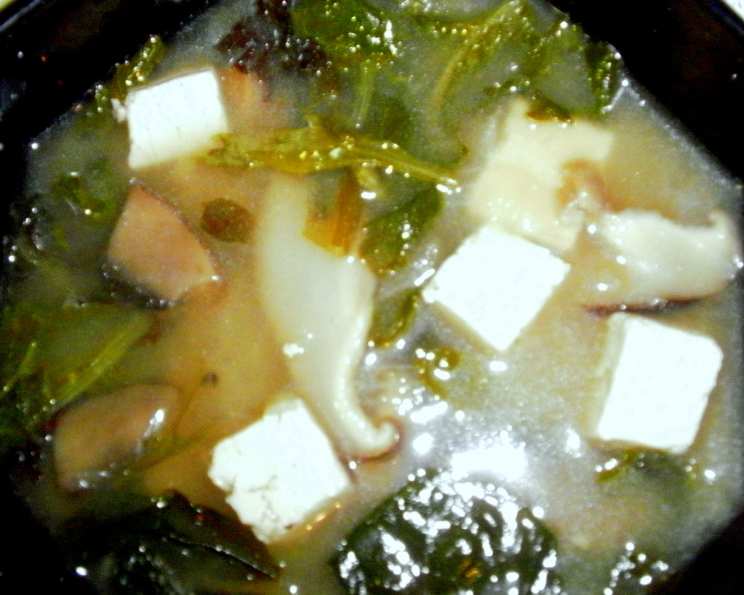
California Miso Soup: A Taste of Home
The fog rolling in off the Pacific, the scent of eucalyptus in the air, and the taste of warm miso soup – these are the cornerstones of my childhood. Growing up in a small coastal town in Northern California, this soup was more than just a meal; it was a feeling of comfort, a reminder of family dinners, and a connection to the vibrant culinary scene that defined our region. I remember my grandmother, her hands wrinkled with time, patiently teaching me how to properly dice tofu and coax the umami out of the miso. Each spoonful transported me back to those cozy evenings, a warm hug in a bowl.
Recipe Overview
- Prep Time: 25 minutes
- Cook Time: 25 minutes
- Total Time: 50 minutes
- Servings: 8-10
- Yields: 4 1/4 quarts
- Dietary Type: Adaptable Vegetarian (check miso ingredients)
Ingredients
- 4 quarts water (about)
- 1/2 cup unsalted butter (1 stick)
- 1 onion, thinly sliced
- 4-5 garlic cloves, thinly sliced
- 7 ounces mushrooms, thinly sliced (I use a mix of portabella and shiitake mushrooms)
- 12-16 ounces firm tofu, drained (1 pack firm tofu, drained)
- 1/3 cup miso (miso paste pre-seasoned with bonito and seaweed)
- 7-10 ounces salad greens (any greens will work, but for starters try Dole’s spring mix. I’ve even used clovers)
- 3-5 tablespoons rice vinegar
- Soy sauce (optional)
- Fish sauce (optional)
Equipment Needed
- Mixing bowl
- Paper towels
- Heavy 6-quart pan
- Knife
- Cutting board
Instructions
-
Begin by preparing the miso mixture. In a mixing bowl, combine about 1/3 cup of miso paste with 2 cups of room temperature water. Ensure the miso paste is fully dissolved and the mixture is smooth. The amount of miso may need adjustment depending on the brand; aim for a balanced flavor, using about 1/3 of the amount recommended on the box for 4 quarts of water.
-
Next, prepare the tofu. Wrap the block of firm tofu in two layers of paper towels. Place a heavy object (like a cookbook or skillet) on top to press out excess water for about 20 minutes. This step is crucial for achieving a firmer texture in the soup. After pressing, dice the tofu into small cubes.
-
In a heavy 6-quart pan, melt 1/2 cup (1 stick) of unsalted butter over medium heat.
-
Add the thinly sliced onion and garlic cloves to the melted butter. Cook uncovered, over medium heat, for 10 to 15 minutes, stirring occasionally. The goal is to sauté the onions until they become transparent and slightly softened, but not browned. Be careful not to burn the garlic, as it will impart a bitter taste to the soup.
-
Once the onions are transparent, add the thinly sliced mushrooms (a mix of portabella and shiitake works wonderfully). Cook and stir for approximately 3 minutes, allowing the mushrooms to release their moisture and develop a richer flavor.
-
Pour water into the 6-quart pan until it is halfway full. Increase the heat to high and bring the water to a simmer.
-
Add the diced tofu to the simmering water. If using rehydrated shiitake mushrooms (not fresh ones), add them at this stage as well. Cook for 10 minutes, allowing the tofu to absorb the flavors of the broth.
-
Reduce the heat to just below a simmer. Add 2 cups of room temperature water (fresh water, not the miso mixture).
-
Add the salad greens to the pan. Any greens will work, but spring mix is a great starting point. Even foraged greens like clover can be used. Cook, stirring occasionally, for 3 minutes, just until the greens wilt slightly.
-
Turn off the heat.
-
To temper the miso, add 1/2 cup of stock from the 6-quart pan to the mixing bowl containing the miso paste mixture. Mix thoroughly until the miso is completely smooth and integrated into the stock. This prevents the miso from clumping when added to the larger pot of soup.
-
Pour the tempered miso mixture into the 6-quart pan. Stir gently to distribute the miso evenly throughout the soup.
-
Season the soup to taste with soy sauce, fish sauce, and rice vinegar. Start with a small amount of each and adjust according to your preference. The soy sauce adds umami, the fish sauce adds depth, and the rice vinegar adds a touch of acidity to balance the flavors.
Expert Tips & Tricks
- Don’t boil the miso! Adding miso to boiling water can destroy its beneficial enzymes and alter its flavor. Always add it at the end, after turning off the heat. Tempering the miso ensures a smooth and consistent flavor throughout the soup.
- Tofu Texture: Pressing the tofu is key for a pleasant texture. If you’re short on time, use extra-firm tofu, which contains less water to begin with. You can even freeze tofu before pressing to create an even chewier texture.
- Mushroom Power: Experiment with different types of mushrooms to create unique flavor profiles. Oyster mushrooms, enoki mushrooms, and maitake mushrooms are all excellent additions.
- Greens Variety: Feel free to use whatever greens you have on hand. Spinach, kale, bok choy, and even dandelion greens can be incorporated into the soup.
- Broth Enhancement: For a deeper, richer broth, consider adding a piece of kombu (dried kelp) to the water while simmering. Remove the kombu before adding the miso.
- Umami Boost: Add a pinch of dried shiitake powder for an extra layer of umami flavor.
Serving & Storage Suggestions
Serve the California Miso Soup hot, garnished with a sprinkle of sesame seeds or a drizzle of sesame oil. It’s a comforting and nourishing meal on its own, or can be served as a starter to a larger Asian-inspired feast.
Leftovers can be stored in an airtight container in the refrigerator for up to 3 days. Reheat gently on the stovetop over low heat, being careful not to boil the soup. Freezing is not recommended, as the tofu and greens may become mushy upon thawing. The soup is best consumed fresh.
Nutritional Information
| Nutrient | Amount per Serving | % Daily Value |
|---|---|---|
| Calories | 170.7 kcal | N/A |
| Calories from Fat | 126 g | 74% |
| Total Fat | 14.1 g | 21% |
| Saturated Fat | 7.8 g | 39% |
| Cholesterol | 30.5 mg | 10% |
| Sodium | 447.7 mg | 18% |
| Total Carbohydrate | 7 g | 2% |
| Dietary Fiber | 1.8 g | 7% |
| Sugars | 2.2 g | 8% |
| Protein | 6.3 g | 12% |
Note: Nutritional information is an estimate and may vary based on specific ingredients and portion sizes.
Variations & Substitutions
- Vegan Option: While the original recipe lists miso pre-seasoned with bonito and seaweed, ensure the miso paste used is 100% vegan by checking the ingredients list for any fish-derived products. Use a vegan miso paste instead.
- Gluten-Free: Ensure the soy sauce used is gluten-free. Tamari is a readily available gluten-free alternative.
- Spicy Kick: Add a pinch of red pepper flakes or a dash of sriracha to the soup for a spicy kick.
- Seasonal Vegetables: Adapt the recipe to the seasons by using different vegetables. In the spring, try adding asparagus or snap peas. In the fall, add butternut squash or sweet potatoes.
- Protein Boost: Add cooked chicken, shrimp, or fish to the soup for a protein boost.
FAQs (Frequently Asked Questions)
Q: Can I use a different type of miso paste?
A: Yes, you can use any type of miso paste, such as white miso, red miso, or awase miso. Each type will impart a slightly different flavor to the soup.
Q: Can I make this soup ahead of time?
A: While it’s best consumed fresh, you can prepare the broth base (without the miso or greens) ahead of time and store it in the refrigerator for up to 2 days. Add the miso and greens just before serving.
Q: How do I adjust the saltiness of the soup?
A: The saltiness of the soup can be adjusted by adding more or less miso paste or soy sauce. Taste the soup and add more miso or soy sauce to reach your desired level of saltiness. You can also dilute the soup with water if it is too salty.
Q: What if I don’t have rice vinegar?
A: If you don’t have rice vinegar, you can substitute it with lemon juice or lime juice.
Q: Can I add noodles to this soup?
A: Absolutely! Adding noodles like udon, ramen, or soba noodles can transform this soup into a heartier meal. Add the cooked noodles to the soup just before serving.
Final Thoughts
This California Miso Soup is a celebration of fresh, local ingredients and the comforting flavors of home. It’s a versatile dish that can be adapted to your own tastes and preferences. So, gather your ingredients, put on some music, and enjoy the process of creating this nourishing and delicious soup. I encourage you to experiment with different vegetables and seasonings to make it your own. And if you do, please share your feedback and variations – I’d love to hear how you make it special! Pair it with a simple cucumber salad or some grilled tofu for a complete and satisfying meal.