
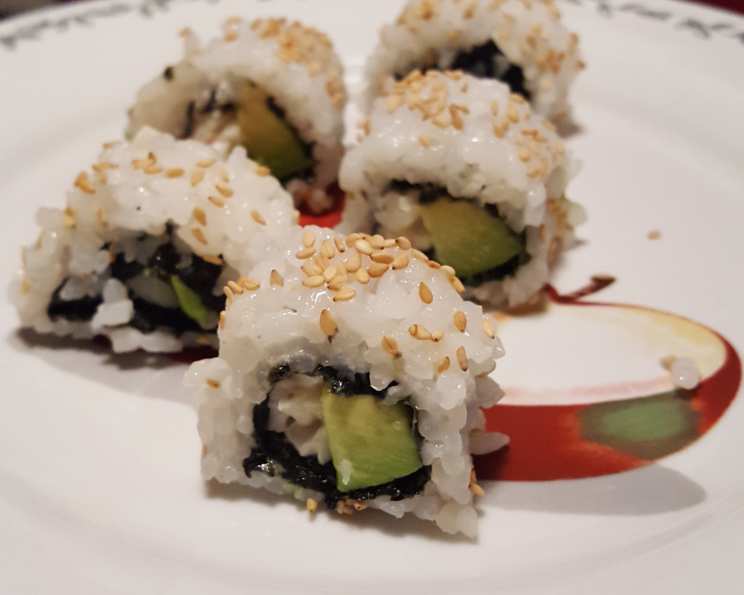
Mastering the California Roll: A Culinary Journey
My first encounter with the California roll was a revelation. As a young culinary student, accustomed to more traditional Japanese cuisine, the concept of “inside-out” sushi, crab sticks, and avocado felt almost… rebellious. But one bite, and I understood. It was a gateway, a playful introduction to the world of sushi that sparked a lifelong love affair with Japanese flavors and techniques. Today, I’m excited to share my version, honed over years of experience, so you can create this iconic roll in your own kitchen.
Recipe Overview
- Prep Time: 30 minutes
- Cook Time: 20 minutes
- Total Time: 50 minutes
- Servings: 4
- Yield: 4 rolls
- Dietary Type: Gluten-Free (check mayonnaise and crabmeat ingredients)
Ingredients
- 4 cups sushi rice
- 4 sheets nori (dried seaweed)
- 1 avocado
- ¾ cup crabmeat (imitation or real)
- 2 tablespoons mayonnaise
- ½ teaspoon salt
Equipment Needed
- Rice cooker (optional, but highly recommended)
- Sushi rolling mat (makisu)
- Plastic wrap
- Sharp knife
- Mixing bowl
Instructions
-
Cook the sushi rice: Prepare the sushi rice according to package directions or your preferred method. A rice cooker makes this effortless, but a pot on the stovetop works too. Remember, properly cooked sushi rice is slightly sticky but not mushy. Let the rice cool to room temperature. This is crucial – warm rice will make the nori soggy.
-
Prepare the avocado: Carefully peel the avocado and either cut it into thin strips or mash it lightly. If you choose to slice it, ensure the slices are uniform for easy rolling. If mashing, add a squeeze of lemon juice to prevent browning.
-
Mix the crab filling: In a mixing bowl, combine the crabmeat, mayonnaise, and salt. Mix thoroughly until well combined. Taste and adjust the seasoning if needed; a pinch of pepper can add a subtle kick.
-
Prepare the rolling station: Cover your bamboo rolling mat with plastic wrap. This prevents the rice from sticking to the mat and makes cleanup a breeze. Make sure the plastic wrap is taut and smooth.
-
Layer the nori: Place one sheet of nori on top of the plastic-wrapped mat. The shiny side of the nori should face down.
-
Add the rice: Spread a thin, even layer of cooled sushi rice over the nori, leaving about ½ inch of space at the top edge of the nori furthest from you. Wet your hands with water to prevent the rice from sticking to your fingers. Gently press the rice onto the nori, ensuring it’s firmly packed but not crushed.
-
Sprinkle with sesame seeds (optional): If desired, sprinkle sesame seeds evenly over the rice layer. This adds a nutty flavor and visual appeal. Black sesame seeds offer a nice contrast.
-
Flip the nori: Carefully flip the nori sheet over so that the rice is facing down on the plastic wrap. The nori should now be on top, ready for the filling.
-
Add the filling: Place the avocado and crab mixture lengthwise on the nori, about one inch from the edge closest to you. Try to create a neat, even line of filling across the nori sheet. Avoid overfilling; too much filling will make rolling difficult.
-
Roll the sushi: Using the bamboo mat, carefully roll the sushi forward, starting with the edge closest to you. Gently lift the edge of the mat and tuck it over the filling, pressing firmly but gently to create a tight cylinder shape.
-
Seal the roll: Continue rolling the mat forward, applying even pressure to seal the roll. The reserved ½ inch of nori should now meet the roll and seal it closed.
-
Shape the roll: Once the roll is complete, press the bamboo mat firmly with your hands to shape it into a uniform cylinder. This helps the roll hold its shape and makes it easier to cut.
-
Cut the roll: Using a very sharp knife, preferably one dampened with water, cut the sushi roll into bite-sized pieces. Wipe the blade clean between each cut to prevent the rice from sticking. Aim for 6-8 pieces per roll.
Expert Tips & Tricks
- Rice Perfection: The key to great sushi is great rice. Use high-quality sushi rice and follow the package instructions precisely. Adding sushi vinegar after cooking (a mixture of rice vinegar, sugar, and salt) is essential for authentic flavor.
- Avocado Bliss: Choose avocados that are ripe but firm. Too soft, and they’ll turn to mush; too hard, and they’ll be difficult to slice.
- Crabmeat Considerations: Imitation crabmeat is a common and affordable choice, but real crabmeat elevates the flavor. If using imitation crab, look for a high-quality brand that isn’t overly processed.
- Rolling Mastery: Don’t be discouraged if your first roll isn’t perfect. Practice makes perfect! Keep the mat taut and apply even pressure while rolling.
- Sharp Knife is Key: A dull knife will tear the nori and squish the roll. A sharp, wet knife will glide through the sushi effortlessly.
Serving & Storage Suggestions
Serve your California rolls immediately for the best flavor and texture. Garnish with pickled ginger (gari), wasabi, and soy sauce for dipping. California rolls are best enjoyed fresh. Leftovers can be stored in an airtight container in the refrigerator for up to 24 hours. Be aware that the rice may harden slightly, and the nori may become a bit soggy. Reheating is not recommended.
Nutritional Information
| Nutrient | Amount per Serving | % Daily Value |
|---|---|---|
| Calories | 397 kcal | 20% |
| Total Fat | 12g | 18% |
| Saturated Fat | 2g | 10% |
| Cholesterol | 2mg | 1% |
| Sodium | 400mg | 17% |
| Total Carbohydrate | 65g | 22% |
| Dietary Fiber | 2g | 8% |
| Sugars | 1g | 2% |
| Protein | 8g | 16% |
Note: Nutritional information is an estimate and may vary based on specific ingredients and portion sizes.
Variations & Substitutions
- Vegetarian California Roll: Substitute the crabmeat with marinated tofu or tempeh for a vegetarian option. Cucumber and carrots can also be added for extra crunch.
- Spicy California Roll: Mix a small amount of sriracha or chili paste into the mayonnaise for a spicy kick.
- Salmon California Roll: Replace the crabmeat with cooked salmon for a richer flavor.
- Brown Rice California Roll: Use brown sushi rice instead of white rice for a healthier twist.
- Nori-less California Roll: Omit the nori altogether and roll the rice and filling directly in the bamboo mat for a different texture. You may need to use more plastic wrap.
FAQs (Frequently Asked Questions)
Q: Why is my sushi rice so sticky?
A: It could be that you’ve added too much water while cooking, or the rice wasn’t properly rinsed beforehand. Be sure to follow the package directions closely.
Q: How do I prevent the rice from sticking to the rolling mat?
A: Cover your bamboo mat with plastic wrap. You can also lightly wet your hands with water each time you handle the rice.
Q: Can I make California rolls ahead of time?
A: While best served fresh, you can prepare the individual components (rice, filling) ahead of time and assemble the rolls just before serving.
Q: What’s the best way to cut the rolls without squishing them?
A: Use a very sharp knife and dampen it with water before each cut. Also, wipe the blade clean between cuts.
Q: Can I freeze California rolls?
A: Freezing is not recommended as it affects the texture of the rice and avocado. It’s best to enjoy them fresh.
Final Thoughts
Creating California rolls at home is not only fun but also incredibly rewarding. Don’t be afraid to experiment with different fillings and variations to create your signature roll. Gather your friends and family, roll up some deliciousness, and enjoy the fruits of your labor! Pair your homemade sushi with some chilled sake or a refreshing green tea for the ultimate Japanese dining experience. I’d love to hear about your creations, so please share your feedback and photos!