
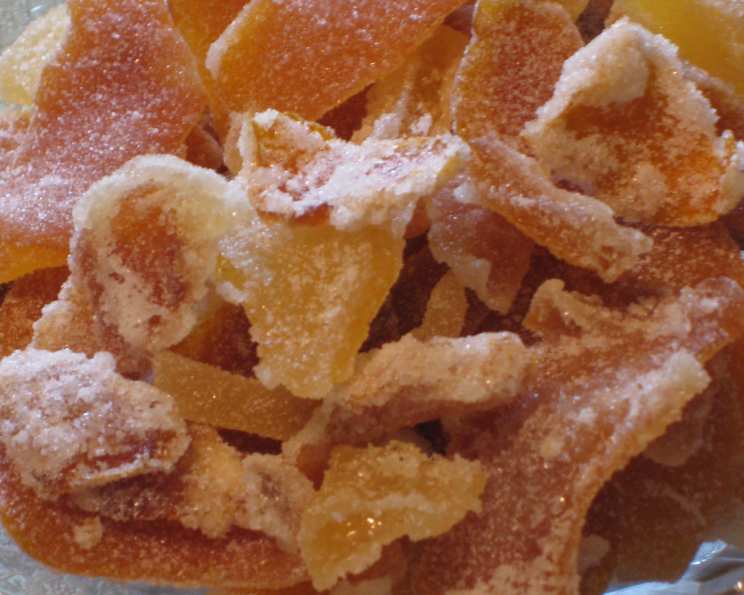
Sparkling Jewels: Mastering the Art of Candied Citrus Peel
The scent of citrus, simmering gently in sugar syrup, always transports me back to my grandmother’s kitchen. She’d spend hours coaxing these humble peels into glistening, jewel-toned treats. The process was a slow, deliberate act of love, transforming something often discarded into something truly special. I remember sneaking pieces while they cooled on wire racks, the bittersweet intensity a delightful shock to my young palate. Now, decades later, I find myself drawn back to this simple yet rewarding culinary ritual, eager to share the magic of candied citrus peel.
Recipe Overview
- Prep Time: 30 minutes
- Cook Time: 1 hour 30 minutes
- Total Time: 2 hours
- Yields: 2 cups
- Dietary Type: Vegan, Gluten-Free, Dairy-Free
Ingredients
- 2 grapefruits (or 3-4 oranges)
- 1 1/2 cups sugar, plus extra for tossing
- 1 1/2 cups water
- 2 tablespoons corn syrup (optional)
Equipment Needed
- Cutting board
- Sharp knife
- Saucepan
- Strainer
- Bowl
- Wire rack (for drying)
- Airtight container
Instructions
-
Begin by preparing the citrus. Cut the grapefruits (or oranges) into quarters. Then, carefully peel the rind (the colored outer layer) from each quarter. It’s important to remove as much of the white pith as possible, as this can contribute bitterness to the finished product.
-
Once you have the peels, cut them into your desired shape. Aim for uniform pieces to ensure even cooking. Think about slender strips, small squares, or even decorative shapes depending on your preference. Keep in mind that size also affects cooking time, so smaller, thinner strips will candy faster than larger, thicker pieces.
-
Now, it’s time to blanch the peels. Place the cut peel pieces into a saucepan, cover them completely with water, and bring the water to a boil over high heat. Once boiling, drain the water thoroughly.
-
Repeat the boiling and draining process from step 3 two more times, for a total of three blanching cycles. This crucial step helps to remove bitterness from the pith, resulting in a more palatable final product. Each time, ensure the peels are fully submerged in fresh water.
-
After the third boil, leave the peel in the strainer to drain completely. This helps remove excess water before the candying process begins.
-
Next, create the sugar syrup. Pour 1 1/2 cups of sugar, 1 1/2 cups of water, and 2 tablespoons of corn syrup (if using) into the same saucepan. The corn syrup helps prevent crystallization and creates a smoother candy.
-
Bring the saucepan to a simmer over medium heat, stirring occasionally until the sugar is fully dissolved. Once the syrup is clear, add the drained peel to the saucepan.
-
If you are omitting the corn syrup, cover the pan and simmer the peels for 6 minutes before proceeding. This step helps to soften the peels and allows them to absorb the sugar syrup more effectively.
-
Whether or not you used corn syrup, remove the lid and let the peels cook, uncovered, at a rolling simmer until they are candied. This step requires patience! The cooking time will vary depending on the thickness of the peels and the desired level of chewiness.
-
For hard-ish candy, cook until the liquid is almost gone, leaving just a thick, syrupy glaze. For chewy candy, cook until only 3-5 spoonfuls of liquid are left in the pan. Watch carefully towards the end of the cooking time to prevent the syrup from burning. The peels should appear translucent and glistening.
-
Once cooked, transfer the candied peels to a strainer to drain off any excess syrup. Let them cool until you can comfortably handle them with your hands.
-
Prepare a bowl with some extra sugar for coating. Add the cooled peels to the bowl and toss them gently to coat them evenly in sugar.
-
Toss the peels in the sugar every 15 minutes or so until they are completely cool and the sugar coating is dry and set. This helps prevent the peels from sticking together and ensures a consistent coating.
-
For best results, spread the sugar-coated peels on wire racks to dry completely. This allows air to circulate around the peels, further setting the sugar coating and preventing them from becoming sticky. For harder candy, allow the peels to cook slightly longer in the syrup and dry them for a longer period. For softer, almost chewy candy, cook and dry them for less time.
-
Once the peels are fully dried and the sugar coating is set, store them in airtight containers at room temperature. Storing them in the refrigerator may cause them to harden slightly due to the cold temperature, but this is reversible once they return to room temperature.
Expert Tips & Tricks
- Selecting the Right Citrus: Choose fruits that are firm, heavy for their size, and have smooth, unblemished skin. Organic citrus is always a good choice, especially since you’re using the peels.
- Removing Pith: The pith is the white membrane between the peel and the fruit. It’s naturally bitter, so removing as much as possible is key. A paring knife works well for this.
- Blanching Secrets: Don’t skip the blanching step! This process significantly reduces bitterness. Change the water completely each time to ensure maximum bitterness removal.
- Corn Syrup Substitute: If you prefer not to use corn syrup, a tablespoon of honey or agave nectar can be used as a substitute, although it may slightly alter the flavor profile.
- Crystallization Prevention: To further prevent sugar crystallization, add a pinch of cream of tartar to the sugar syrup along with the corn syrup (or honey).
- Flavor Infusion: Consider adding a vanilla bean to the sugar syrup during the cooking process for a subtle vanilla flavor. A cinnamon stick or star anise would also be delicious additions.
Serving & Storage Suggestions
Candied citrus peel makes a delightful addition to a cheese board, a sophisticated garnish for cocktails, or a sweet treat alongside a cup of tea or coffee. They can also be chopped and added to baked goods like scones, muffins, or cakes.
Store candied citrus peel in an airtight container at room temperature for up to 2 weeks. They can also be stored in the refrigerator for up to a month, but they may become slightly hardened. They are not recommended for freezing.
Nutritional Information
| Nutrient | Amount per Serving | % Daily Value |
|---|---|---|
| Calories | 645.3 kcal | N/A |
| Calories from Fat | 8g | 1% |
| Total Fat | 1g | 1% |
| Saturated Fat | 0.1g | 0% |
| Cholesterol | 0mg | 0% |
| Sodium | 13.3mg | 0% |
| Total Carbohydrate | 184.6g | 61% |
| Dietary Fiber | 15.2g | 60% |
| Sugars | 149.9g | 599% |
| Protein | 3.9g | 7% |
Note: Nutritional information is an estimate and may vary based on specific ingredients and preparation methods.
Variations & Substitutions
- Spice it up: Add a pinch of cayenne pepper to the sugar coating for a spicy kick.
- Chocolate Dipped: Dip the candied peels in melted dark chocolate for an even more decadent treat.
- Different Citrus: Experiment with different types of citrus, such as lemons, limes, or blood oranges. Each will offer a unique flavor profile.
- Herbed Sugar: Mix the sugar for coating with finely chopped fresh herbs like rosemary or thyme for a savory-sweet twist.
FAQs (Frequently Asked Questions)
Q: Why do I need to boil the citrus peels multiple times?
A: Boiling the peels multiple times, a process known as blanching, is crucial for removing the bitter compounds present in the pith of the citrus fruit. This results in a much sweeter and more palatable candied peel.
Q: Can I use other types of sugar, like brown sugar, for this recipe?
A: While you can experiment with other sugars, granulated sugar is recommended for its clean flavor and ability to create a clear syrup. Brown sugar will add a molasses flavor and a darker color to the candied peels.
Q: My candied peels are sticky. What did I do wrong?
A: Sticky candied peels are usually a sign that they were not dried long enough. Ensure the peels are spread out on a wire rack and allowed to air dry completely. You can also try tossing them in more sugar.
Q: How can I prevent the sugar from crystallizing during the cooking process?
A: Adding corn syrup (or honey) and a pinch of cream of tartar to the sugar syrup helps to prevent crystallization. Make sure the sugar is fully dissolved before adding the citrus peels.
Q: Can I use this recipe for other types of fruit peels?
A: Yes, this recipe can be adapted for other types of fruit peels, such as grapefruit or lemon. Keep in mind that different peels may require slightly different cooking times.
Final Thoughts
Candied citrus peel is more than just a sweet treat; it’s a testament to the transformative power of cooking. This recipe is an invitation to slow down, savor the process, and create something beautiful and delicious from something often overlooked. Don’t be afraid to experiment with different citrus fruits, spices, and techniques to create your own unique version of this classic confection. Share your creations with friends and family, and let the bright, zesty flavors bring a little sunshine to their day.