
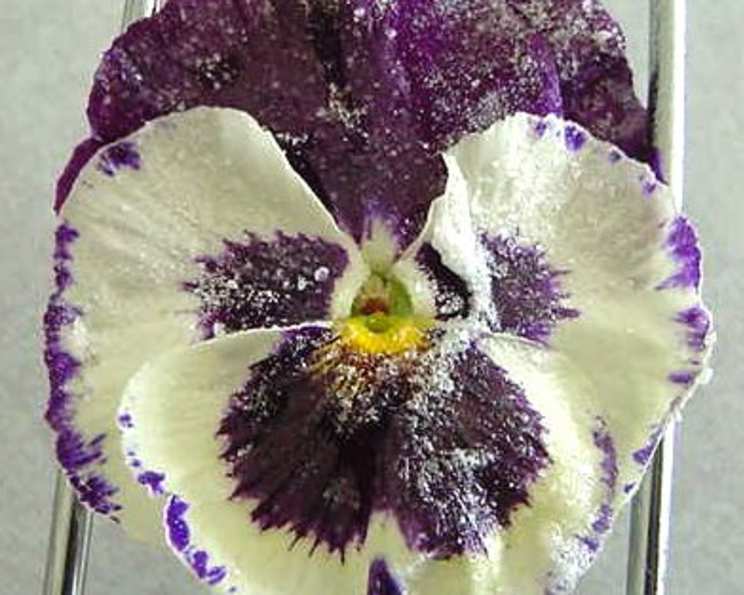
The Art of Candied Flowers: A Sweet Symphony of Nature
My grandmother, a woman with a garden overflowing with every imaginable bloom, always had a secret weapon for her afternoon tea parties: candied flowers. I remember being utterly mesmerized as a child, watching her delicately paint each petal with glistening sugar, transforming ordinary blossoms into shimmering jewels. These weren’t just decorations; they were edible expressions of art, a testament to her love for both nature and culinary magic. Every bite was like tasting sunshine and happiness, a memory I cherish and am excited to share with you.
Recipe Overview
- Prep Time: 15 minutes
- Cook Time: Varies (see instructions)
- Total Time: 12-36 hours (drying time)
- Servings: 16
- Yield: Varies depending on flower size (30-90 petals)
- Dietary Type: Gluten-Free
Ingredients
- 1 egg white (use pasteurized egg whites or powdered egg whites to avoid salmonella)
- 3-6 drops 100-proof vodka, flavored (optional)
- Superfine sugar (caster sugar)
- Petals from edible flowers such as violets, begonias, pansies, Johnny-jump-ups, rose petals, lilac, borage, pea, pinks, or scented geraniums (amount depends on size of flowers; can be between 30-90 petals)
Equipment Needed
- Thin artist’s paintbrush
- Wire rack
- Airtight containers
Instructions
-
Begin by gently beating the egg white in a clean bowl until it becomes frothy. It doesn’t need to be whipped into stiff peaks; just enough to break it up and create a smooth, brushable consistency.
-
If desired, add a couple of drops of vodka to the egg white. The alcohol helps the flowers dry more quickly by evaporating moisture. Choose a flavored vodka that complements your flowers’ natural aromas – cherry for roses, perhaps, or raspberry for violets. However, this step is entirely optional; the recipe works perfectly well without it.
-
Carefully select your flowers. Ensure they are fresh, clean, and completely dry. Pick them in the morning after the dew has evaporated. Gently brush off any dirt or insects. The quality of your flowers directly impacts the final result, so choose wisely.
-
Using the thin artist’s paintbrush, delicately paint each flower petal individually with the beaten egg white. Aim for a thin, even coating. Too much egg white will make the sugar clump and create a less delicate finish. Work petal by petal, ensuring every nook and cranny is covered.
-
While the egg white is still wet, generously sprinkle each coated petal with superfine sugar. The finer the sugar, the more delicate and even the coating will be. Turn the petal over and repeat on the other side. Gently shake off any excess sugar.
-
Carefully place the sugared petals on a wire rack to dry. Ensure the petals aren’t touching each other to allow for proper air circulation. This is crucial for even drying and preventing sticking.
-
Allow the flowers to dry completely. This is the most time-consuming part of the process. They are completely dry when stiff and brittle to the touch, with no sign of moisture. This could take anywhere from 12 to 36 hours, depending on the humidity in your environment.
-
To hasten the drying process, you can use a low-temperature oven. Place the candied flowers in an oven with just the pilot light on overnight, or set the oven to 150-200°F (65-95°C) with the door ajar for a few hours. Monitor them closely to prevent scorching. The goal is gentle warmth, not baking.
-
Once completely dry, store the dried, candied flowers in airtight containers until ready to use. Handle them with care, as they are delicate.
Expert Tips & Tricks
- Flower Selection: Not all flowers are edible, so do your research! Stick to organically grown flowers to avoid pesticides.
- Egg White Alternatives: If you’re vegan, aquafaba (the liquid from canned chickpeas) can be used as an egg white substitute, although it may slightly alter the drying time.
- Drying Environment: A dehydrator set to a low temperature is also an excellent option for consistent and quick drying.
- Preventing Stickiness: Make sure flowers are completely dry before storing. If they feel even slightly sticky, they need more drying time.
- Sugar Variation: Experiment with colored sugars or flavored sugars for a unique twist.
- Edible Glue: If the sugar doesn’t stick well enough, a tiny dot of edible glue can help secure it.
Serving & Storage Suggestions
Candied flowers are the perfect finishing touch for cakes, cupcakes, cookies, and other desserts. They can also be used to garnish cocktails, add a touch of elegance to salads, or simply enjoyed as a sweet treat on their own.
Store candied flowers in airtight containers in a cool, dry place. They will keep for up to a year, although their color may fade slightly over time. Freezing is possible, but it can make them more fragile. Handle them with care when serving, as they are delicate and easily broken.
Nutritional Information
| Nutrient | Amount per Serving | % Daily Value |
|---|---|---|
| Calories | 1 kcal | 0% |
| Total Fat | 0 g | 0% |
| Saturated Fat | 0 g | 0% |
| Cholesterol | 0 mg | 0% |
| Sodium | 0 mg | 0% |
| Total Carbohydrate | 0 g | 0% |
| Dietary Fiber | 0 g | 0% |
| Sugars | 0 g | 0% |
| Protein | 0 g | 0% |
Note: Nutritional information is an estimate and may vary based on specific ingredients and portion sizes.
Variations & Substitutions
- Flavored Extracts: Add a drop of your favorite extract (vanilla, almond, lemon) to the egg white for a subtle flavor enhancement.
- Citrus Zest: A pinch of finely grated citrus zest added to the sugar provides a bright, aromatic touch.
- Spices: Experiment with a dusting of ground cinnamon, cardamom, or ginger for a warm, spicy variation.
- Gluten-Free: This recipe is naturally gluten-free.
- Regional Flowers: Explore edible flowers that are native to your region for a unique, local twist.
- Vegan Version: Use aquafaba or a commercial egg replacer as a substitute for egg whites.
- Chocolate Dipped: Dip the dried candied flowers in melted chocolate for a decadent treat.
FAQs (Frequently Asked Questions)
Q: What flowers can I use for candying?
A: Ensure you are using only edible flowers that have been grown organically. Popular choices include violets, pansies, roses, and lavender.
Q: How can I tell if my flowers are completely dry?
A: Properly dried flowers will be stiff and brittle to the touch and will easily break without bending. If they are at all pliable or sticky, they need more drying time.
Q: Can I use regular sugar instead of superfine sugar?
A: Superfine sugar is recommended because it creates a smoother, more delicate coating. Regular granulated sugar can be used, but the texture may be slightly coarser.
Q: My candied flowers are sticky, what did I do wrong?
A: Stickiness usually indicates that the flowers weren’t dried for long enough or the humidity was too high. Try drying them in a low oven or dehydrator to remove excess moisture.
Q: How long do candied flowers last?
A: When stored properly in an airtight container, candied flowers can last up to a year, although their color may fade over time.
Final Thoughts
Candied flowers are more than just a garnish; they’re a labor of love, a sweet and beautiful way to connect with nature and add a touch of magic to your culinary creations. I encourage you to gather some edible blooms, embrace the process, and create your own shimmering masterpieces. Share your creations with friends and family, and don’t hesitate to experiment with different flavors and flowers to find your own signature style. Happy candying!