
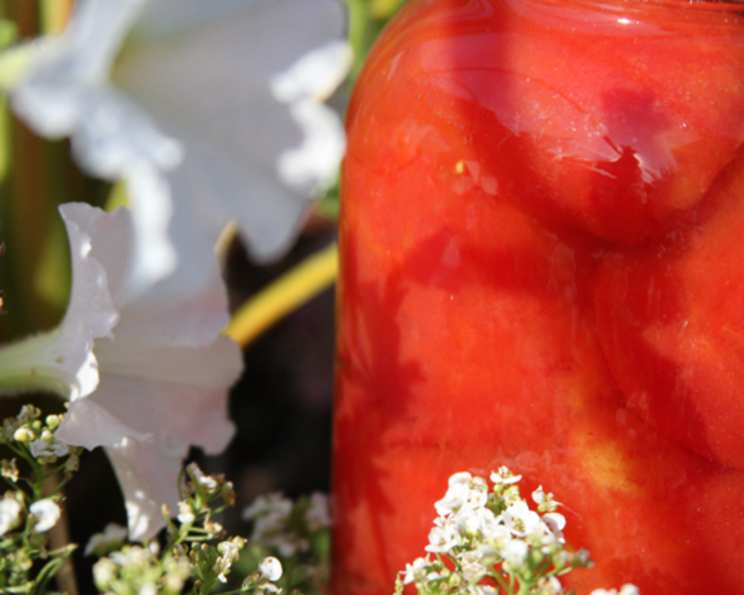
Capturing Summer: Canning Fresh Tomatoes for Year-Round Flavor
The end of summer always brings a bittersweet feeling. The long days are fading, but the garden is bursting with its final bounty. I vividly remember helping my grandmother harvest her tomatoes each August. The air would be thick with the sweet, earthy scent of ripe tomatoes, and the sun would warm our faces as we carefully plucked the juicy fruits from their vines. She’d always say, “We have to capture this sunshine for the winter, dear!” Canning those tomatoes together wasn’t just about preserving food; it was about preserving a memory, a feeling of warmth and abundance that would sustain us through the cold months. And even now, as a seasoned chef, opening a jar of my own canned tomatoes instantly transports me back to her sunny kitchen.
Recipe Overview
- Prep Time: 30 minutes
- Cook Time: 45 minutes
- Total Time: 1 hour 15 minutes
- Yields: 7 quarts
- Dietary Type: Vegan, Gluten-Free, Dairy-Free, Vegetarian
Ingredients
- 35-40 large tomatoes (approximately 25 lbs)
- 7 teaspoons sugar, 1 per quart
- 7 teaspoons salt, 1 per quart
- 2 tablespoons bottled lemon juice
Equipment Needed
- Large pot for boiling water
- Small knife for coring tomatoes
- Large slotted spoon or spider strainer
- 7 Quart-sized canning jars with lids and rings
- Jar lifter
- Large stockpot or canning pot with rack
Instructions
-
Start by preparing your canning equipment. Ensure your jars, lids, and rings are clean and sterilized. You can sterilize them by boiling them in water for 10 minutes, or by running them through a sterilizing cycle in your dishwasher. Keep the jars hot until ready to fill.
-
Prepare the tomatoes. The easiest way to peel tomatoes is to blanch them. Bring a large pot of water to a rolling boil. Carefully drop the tomatoes into the boiling water, a few at a time, for about 15 seconds. You’ll see the skins begin to crack.
-
Remove the tomatoes from the boiling water with a slotted spoon and immediately plunge them into a bowl of ice water to stop the cooking process.
-
Once the tomatoes are cool enough to handle, the skins should slip off easily. Peel each tomato and then core it, removing the tough stem end with a small knife. Leave the tomatoes whole.
-
Now, prepare the jars. Into each hot, sterilized quart jar, add 1 teaspoon of sugar, 1 teaspoon of salt, and a scant amount of lemon juice (approximately 2/7 of a tablespoon, dividing the total of 2 tablespoons among the 7 jars). The lemon juice is crucial for ensuring proper acidity and safety for home canning.
-
Pack the peeled and cored tomatoes tightly into the prepared jars. Press them down gently to release their juices. You should aim to have the tomatoes covered with their own juice. If needed, add a little boiling water to the jar, leaving about 1/2 inch of headspace at the top. Headspace is the space between the top of the food and the lid.
-
Using a non-metallic utensil (like a plastic knife or spatula), gently run it around the inside of each jar to release any trapped air bubbles.
-
Clean the rim of each jar with a clean, damp cloth. This is important to ensure a proper seal.
-
Place the sterilized lids on the jars, and then screw on the rings fingertip-tight. Don’t overtighten; the air needs to escape during processing.
-
Using a jar lifter, carefully lower the filled jars into a large stockpot or canning pot fitted with a rack. The water should cover the jars by at least 1 inch. If necessary, add more boiling water.
-
Bring the water to a rolling boil, cover the pot, and process the jars for 45 minutes. The processing time is crucial for ensuring the tomatoes are properly sterilized and sealed.
-
After 45 minutes, turn off the heat and let the jars sit in the hot water for 5 minutes before carefully removing them with the jar lifter. Place the jars on a towel-lined surface, away from drafts.
-
Let the jars cool completely, undisturbed, for 12-24 hours. As they cool, you should hear a “popping” sound as the lids seal.
-
After 24 hours, check the seals. Press down on the center of each lid. If it doesn’t flex or pop, the jar is sealed properly. If a lid flexes, it’s not sealed and should be refrigerated and used within a week, or reprocessed with a new lid.
-
Store your canned tomatoes in a cool, dark, and dry place.
Expert Tips & Tricks
- Tomato Variety Matters: Use meaty, low-acid tomato varieties like Roma or San Marzano for the best results. Avoid overly juicy tomatoes as they can become watery during canning.
- Blanching Time: Don’t over-blanch the tomatoes; 15 seconds is usually enough. Over-blanching can make them mushy.
- Headspace is Key: Maintaining the proper headspace is critical for a good seal. Too little headspace and the food may bubble out during processing; too much, and the jar may not seal properly.
- Citric Acid Boost: If you’re concerned about acidity, add 1/4 teaspoon of citric acid per quart jar along with the lemon juice for extra safety.
Serving & Storage Suggestions
Canned tomatoes are incredibly versatile! Use them in sauces, stews, soups, chili, or even as a base for homemade pizza sauce. Once opened, refrigerate leftover canned tomatoes in an airtight container and use within 5-7 days. Properly sealed and stored canned tomatoes can last for up to 18 months. Discard any jar if the seal is broken, the food looks or smells spoiled, or the jar hisses when opened.
Nutritional Information
(Estimated per quart, values can vary depending on the specific tomatoes used)
| Nutrient | Amount per Serving | % Daily Value |
|---|---|---|
| Calories | 150 kcal | 8% |
| Total Fat | 1g | 1% |
| Saturated Fat | 0g | 0% |
| Cholesterol | 0mg | 0% |
| Sodium | 1725mg | 72% |
| Total Carbohydrate | 33g | 11% |
| Dietary Fiber | 9g | 36% |
| Sugars | 24g | — |
| Protein | 6g | 12% |
Variations & Substitutions
- Herb Infusion: Add fresh basil, oregano, or thyme to the jars before processing for an extra layer of flavor.
- Spicy Kick: Include a pinch of red pepper flakes or a small, deseeded jalapeño for a touch of heat.
- Roasted Tomato Variation: Roast the tomatoes before peeling and canning for a richer, deeper flavor. Simply toss halved tomatoes with olive oil, salt, and pepper, roast at 400°F (200°C) for 30-40 minutes, then proceed with the recipe.
- Crushed Tomatoes: If you prefer crushed tomatoes, simply crush the peeled tomatoes with your hands or a potato masher before packing them into the jars.
FAQs (Frequently Asked Questions)
Q: Why is lemon juice necessary when canning tomatoes?
A: Tomatoes are considered a low-acid food, and adding lemon juice ensures a safe acidity level to prevent the growth of harmful bacteria like botulism during the canning process.
Q: Can I use a dishwasher to sterilize the jars?
A: Yes, running the jars through a hot wash and heated dry cycle in your dishwasher is an effective way to sterilize them. Keep them in the dishwasher until you’re ready to fill them.
Q: What if I don’t have a canning pot?
A: A large stockpot with a rack at the bottom can be used as a substitute for a canning pot. Make sure the pot is deep enough to completely cover the jars with at least 1 inch of water.
Q: How long will the canned tomatoes last?
A: Properly sealed and stored canned tomatoes can last for up to 18 months in a cool, dark, and dry place. It’s best to use them within a year for optimal flavor and quality.
Q: What does “fingertip-tight” mean when tightening the jar rings?
A: Fingertip-tight means screwing the rings on until you feel slight resistance. Avoid overtightening, as air needs to escape from the jar during the processing. Overtightening can also cause the jars to buckle or break.
Final Thoughts
Canning your own fresh tomatoes is a deeply rewarding experience. It allows you to preserve the taste of summer and enjoy the bright, vibrant flavors of homegrown or locally sourced tomatoes all year round. Don’t be intimidated by the process; with a little preparation and attention to detail, you can easily create delicious and safe canned tomatoes that will elevate your cooking and bring a touch of sunshine to even the coldest winter days. So gather your tomatoes, grab your jars, and get ready to capture the flavors of summer! I’d love to hear how your canning project turns out – share your results and any variations you try! Perhaps you’ll serve your freshly canned tomatoes in a hearty Bolognese sauce over homemade pasta for a truly memorable meal.