
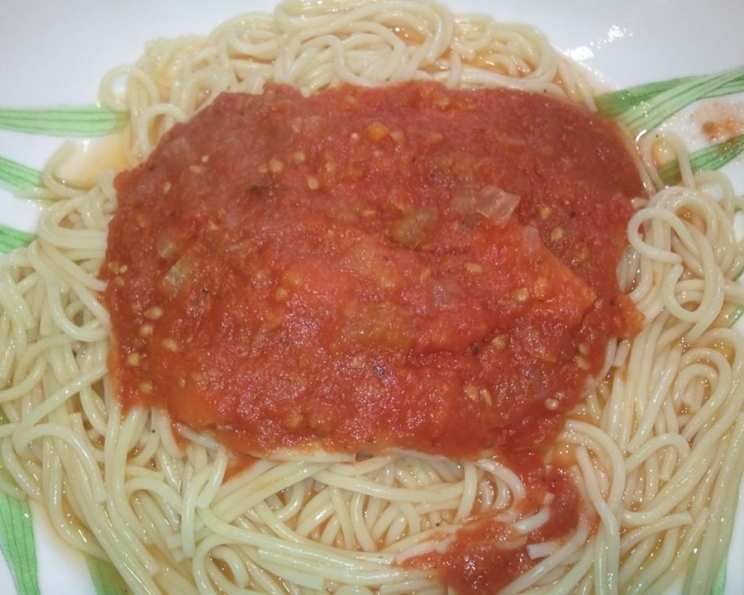
Canning Homemade Marinara: A Taste of Summer, All Year Round
The aroma of simmering tomatoes, garlic, and basil… It instantly transports me back to my grandmother’s kitchen. She always had a huge pot of marinara bubbling away on the stove, the scent permeating every corner of the house. Making sauce wasn’t just cooking; it was an act of love, a way to preserve the bounty of her garden and share it with family and friends throughout the year. And now, I carry on that tradition, filling my pantry with jars of sunshine, ready to brighten any meal.
Recipe Overview
- Prep Time: 2 hours
- Cook Time: Variable, depending on desired consistency
- Total Time: Variable, at least 3 hours including processing
- Yields: Approximately 8 pint jars
- Serves: Approximately 64
- Dietary Type: Vegan, Gluten-Free, Dairy-Free
Ingredients
- 1 1/4 cups finely chopped onions
- 1 1/2 cups finely chopped celery
- 1 cup finely chopped carrot
- 1/2 cup olive oil
- 1 teaspoon minced garlic
- 8 lbs ripe tomatoes, peeled, seeded and chopped (Roma or San Marzano varieties are ideal)
- 1 teaspoon sugar
- 1 bay leaf
- 1 teaspoon dried basil
- 1 teaspoon oregano
- 1 teaspoon marjoram
- 1 teaspoon salt (or to taste – adjust after simmering)
- 1 teaspoon pepper
Equipment Needed
- Large stockpot or Dutch oven
- Cutting board
- Sharp knife
- Food mill or food processor (optional, for smoother sauce)
- Canning jars (pint or quart size), lids, and bands
- Jar lifter
- Canning pot with rack
- Ladle
- Clean kitchen towels
- Bubble popper/headspace measuring tool (optional, but helpful)
Instructions
-
Prepare the Vegetables: Begin by thoroughly washing and drying all your vegetables. Finely chop the onions, celery, and carrot. Mince the garlic. It’s important that these are consistently sized so that they cook evenly.
-
Sauté the Aromatics: In a large stockpot or Dutch oven, heat the olive oil over medium heat. Add the chopped onions, celery, and carrot. Cook until the vegetables are tender, stirring occasionally, for about 20 minutes. This process, called sweating, helps to release their natural sweetness.
-
Add Garlic: Add the minced garlic to the pot and cook for an additional 2 minutes, stirring constantly, being careful not to burn the garlic. Burnt garlic will impart a bitter flavor to the sauce.
-
Incorporate the Tomatoes: Add the peeled, seeded, and chopped tomatoes to the pot. Stir in the sugar and pepper. The sugar helps to balance the acidity of the tomatoes.
-
Process for Texture (Optional): If you prefer a smoother sauce, you can either use a food mill to process the sauce at this stage, or carefully whirl it in a food processor in batches after it has cooked down a bit. Be extremely cautious when blending hot liquids, ensuring proper ventilation and using a sturdy container.
-
Simmer and Season: Add the bay leaf, dried basil, oregano, and marjoram to the sauce. Bring the sauce to a simmer over medium-low heat.
-
Cook to Desired Consistency: Simmer the sauce, uncovered, for at least an hour, or longer depending on your desired consistency. Stir frequently to prevent sticking and scorching on the bottom of the pot. The longer the sauce simmers, the thicker and more concentrated the flavor will become.
-
Add Salt and Remove Bay Leaf: Once the sauce has reached your desired consistency, stir in the salt to taste. Remove the bay leaf.
-
Prepare Jars and Canning Equipment: While the sauce is simmering, prepare your canning jars, lids, and bands according to the manufacturer’s instructions. This usually involves washing the jars in hot, soapy water and then sterilizing them in boiling water for 10 minutes. Keep the jars hot until ready to fill. Heat the lids in simmering (not boiling) water.
-
Fill the Jars: Using a ladle, carefully fill the hot, sterilized jars with the hot marinara sauce, leaving 1/2 inch of headspace at the top of each jar.
-
Remove Air Bubbles: Use a bubble popper or a clean utensil to release any trapped air bubbles from the sauce in the jar.
-
Wipe Rims and Apply Lids: Wipe the rims of the jars with a clean, damp cloth to ensure a good seal. Place the lids on the jars and screw on the bands until fingertip tight.
-
Process in a Boiling Water Bath: Carefully lower the filled jars into a boiling water bath canner, ensuring that the jars are completely covered with water by at least 1 inch. Bring the water to a rolling boil.
-
Process for Correct Time: Process pint jars for 40 minutes and quart jars for 45 minutes at altitudes up to 1,000 feet. If you live at a higher altitude, you will need to increase the processing time according to the guidelines for your specific altitude. Consult a trusted canning resource for accurate processing times.
-
Cool and Check Seals: Turn off the heat and carefully remove the jars from the canner using a jar lifter. Place the jars on a towel-lined surface to cool completely, undisturbed, for 12-24 hours.
-
Verify Seal and Store: After the jars have cooled, check the seals. The lids should be concave and not flex when pressed. If a jar did not seal properly, you can either reprocess it with a new lid or store it in the refrigerator and use it within a few days. Store properly sealed jars in a cool, dark place.
Expert Tips & Tricks
- Tomato Selection: Use the best quality tomatoes you can find. Roma or San Marzano tomatoes are ideal for marinara sauce due to their meaty texture and low seed content.
- Roasting Tomatoes: Roasting your tomatoes before making the sauce will intensify their flavor and add a smoky depth.
- Herb Infusion: For a more pronounced herb flavor, tie your herbs in a cheesecloth sachet and simmer them in the sauce. Remove the sachet before jarring.
- Adjusting Consistency: If your sauce is too thin, continue simmering it to reduce the liquid. If it’s too thick, add a little water or tomato juice to thin it out.
- Freezing Instead of Canning: If you don’t want to can, you can also freeze the sauce in freezer-safe containers.
Serving & Storage Suggestions
Serve your homemade marinara sauce with pasta, as a topping for pizza, as a dipping sauce for mozzarella sticks or breadsticks, or as a base for soups and stews. Properly canned marinara sauce will last for at least 1 year in a cool, dark place. Once opened, refrigerate and use within 5-7 days.
Nutritional Information
| Nutrient | Amount per Serving | % Daily Value |
|---|---|---|
| Calories | 28 kcal | N/A |
| Total Fat | 1.8g | 2% |
| Saturated Fat | 0.2g | 1% |
| Cholesterol | 0mg | 0% |
| Sodium | 42.6mg | 1% |
| Total Carbohydrate | 2.9g | 0% |
| Dietary Fiber | 0.8g | 3% |
| Sugars | 1.8g | N/A |
| Protein | 0.6g | 1% |
Note: Nutritional information is an estimate and may vary depending on specific ingredients and portion sizes.
Variations & Substitutions
- Spicy Marinara: Add a pinch of red pepper flakes to the sauce for a spicy kick.
- Garlic Lovers: Increase the amount of garlic in the recipe for a more intense garlic flavor.
- Fresh Herbs: Substitute dried herbs with fresh herbs for a brighter, more vibrant flavor. Use about 3 times the amount of fresh herbs as you would dried.
- Vegetarian Boost: Sauté mushrooms or other vegetables along with the onions, celery, and carrots for added flavor and nutrients.
- Wine Infusion: Add a splash of red wine to the sauce while simmering for a richer, more complex flavor.
FAQs (Frequently Asked Questions)
Q: Why is it important to peel and seed the tomatoes?
A: Peeling removes the tough skins, which can affect the texture of the sauce. Seeding removes excess water and prevents a bitter taste.
Q: Can I use canned tomatoes instead of fresh tomatoes?
A: Yes, you can use canned tomatoes if fresh tomatoes are not available. Use approximately 8 pounds of canned crushed or diced tomatoes. Adjust cooking time accordingly.
Q: How do I know if my jars are properly sealed?
A: After the jars have cooled completely, the lids should be concave and not flex when pressed. If the lid pops up and down, it is not properly sealed.
Q: Can I use different sized jars?
A: Yes, you can use different sized jars, but you will need to adjust the processing time accordingly. Consult a trusted canning resource for accurate processing times for different jar sizes.
Q: What if my sauce is too acidic?
A: You can add a pinch of baking soda to neutralize the acidity. Start with a small amount and taste, adding more as needed.
Final Thoughts
There’s something incredibly satisfying about creating your own marinara sauce from scratch, especially when you can capture the essence of summer and enjoy it all year long. Don’t be intimidated by the canning process—it’s easier than you think, and the reward of homemade goodness is well worth the effort. So grab your freshest tomatoes, gather your herbs, and get ready to fill your pantry with jars of deliciousness. Share your culinary creations with friends and family, and savor the taste of homemade love.