
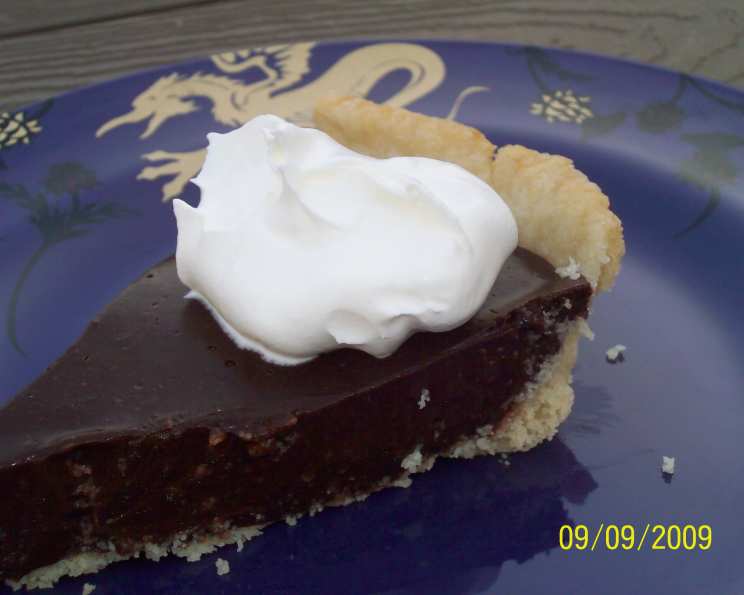
Canola Oil Pie Crust: A Baker’s Best-Kept Secret
The scent of baking pie always takes me back to my grandmother’s kitchen. She was a master of the flaky crust, the kind that shattered delicately with each bite. While her recipe was steeped in butter and lard – the traditional ingredients of her generation – I’ve always been fascinated by finding ways to achieve that same textural magic with healthier alternatives. This canola oil pie crust is my answer: a wonderfully tender, subtly flavored crust that lets the filling truly shine. It’s perfect for those times when you want a delicious pie without the guilt, or when you simply want a reliable, easy-to-make crust that delivers every single time.
Recipe Overview
- Prep Time: 10 minutes
- Cook Time: 18 minutes (for pre-baking)
- Total Time: 28 minutes
- Servings: 8
- Yield: 1 pie shell
- Dietary Type: Vegetarian
Ingredients
- 1 ½ cups flour
- ½ teaspoon salt
- 1 ½ teaspoons sugar
- 2 tablespoons milk (any kind – dairy or non-dairy works!)
- ½ cup canola oil
Equipment Needed
- 9-inch pie plate
- Measuring cups and spoons
- Mixing bowl
- Fork or spatula
Instructions
- In a medium-sized mixing bowl, thoroughly combine the flour, salt, and sugar. This ensures even distribution of the ingredients, leading to a more consistent texture in the final crust.
- Add the milk and canola oil to the dry ingredients.
- Using a fork or spatula, gently mix the ingredients together until just combined. Be careful not to overmix! Overmixing develops the gluten in the flour, which can result in a tough crust. The mixture will appear crumbly, and that’s perfectly fine.
- Transfer the dough mixture into a 9-inch pie plate.
- Here’s the secret to a beautiful and even crust: crumble the dough evenly into the pie plate. Then, use your fingers to pat the dough into place, making sure to evenly distribute it across the bottom of the pan and up the sides.
- If you need a pre-baked, unfilled pie shell (for example, for a no-bake filling), preheat your oven to 325°F (160°C).
- Bake the shell for approximately 18 minutes. Keep a close watch – you want the crust to be lightly golden. The exact baking time may vary slightly depending on your oven, so trust your eyes.
- Remove the baked pie shell from the oven and let it cool completely before adding your filling.
Expert Tips & Tricks
- Chilling is Key (Sometimes): While this recipe is wonderfully quick, if you find your kitchen is particularly warm, chilling the oil and milk for about 15 minutes before starting can help prevent the dough from becoming too sticky.
- Docking for Even Baking: If you’re pre-baking the crust, gently prick the bottom with a fork (this is called “docking”) before baking. This prevents the crust from puffing up unevenly.
- Preventing a Soggy Bottom: For fillings that are particularly moist, consider brushing the pre-baked crust with a thin layer of melted chocolate or an egg white wash before adding the filling. This creates a barrier that helps prevent the crust from becoming soggy.
- A Note on Flour: Different types of flour can affect the final texture of the crust. All-purpose flour works well for this recipe, but you can experiment with using a pastry flour for an even more tender result.
- Handling Tears: Don’t panic if you accidentally tear the dough while pressing it into the pie plate. Simply patch it with a small piece of the dough and gently smooth it over.
Serving & Storage Suggestions
This canola oil pie crust is incredibly versatile and can be used for both sweet and savory pies. Serve it warm or at room temperature, depending on your filling.
- Storage: Leftover pie (filled) should be stored in the refrigerator, covered, for up to 3-4 days.
- Empty Crust Storage: An unfilled, baked crust can be stored at room temperature, wrapped tightly, for up to 2 days, or in the refrigerator for up to a week. You can also freeze the baked crust for longer storage (up to 2 months). Wrap it well in plastic wrap and then place it in a freezer-safe bag or container.
- Reheating: If you want to reheat a filled pie, cover the edges of the crust with foil to prevent them from burning and bake in a preheated oven at 350°F (175°C) until warmed through. An empty pie crust is not recommended to be reheated after pre-baking.
Nutritional Information
(Note: These values are estimates and will vary depending on specific ingredients and portion sizes.)
| Nutrient | Amount per Serving | % Daily Value |
|---|---|---|
| Calories | 210 kcal | 11% |
| Total Fat | 14g | 22% |
| Saturated Fat | 1g | 5% |
| Cholesterol | 0mg | 0% |
| Sodium | 90mg | 4% |
| Total Carbohydrate | 18g | 6% |
| Dietary Fiber | 1g | 4% |
| Sugars | 1g | 2% |
| Protein | 3g | 6% |
Variations & Substitutions
- Gluten-Free: Use a gluten-free all-purpose flour blend to make this crust gluten-free. Be sure to add a binder like xanthan gum if the blend doesn’t already contain it.
- Flavor Infusions: Add a teaspoon of lemon or orange zest to the dry ingredients for a citrusy twist.
- Herbed Crust: For savory pies, mix in a teaspoon of dried herbs like thyme, rosemary, or oregano.
- Sweetener Options: You can substitute the sugar with other sweeteners like honey or maple syrup, but you may need to adjust the amount of liquid accordingly.
- Vegan: Ensure you use a plant-based milk alternative like almond, soy, or oat milk to keep this pie crust vegan.
FAQs (Frequently Asked Questions)
Q: Can I use a different type of oil instead of canola oil?
A: Yes, you can substitute with other neutral-flavored oils like vegetable oil or grapeseed oil. Avoid using oils with strong flavors, such as olive oil, as they will affect the taste of the crust.
Q: Why is my crust tough?
A: The most common reason for a tough crust is overmixing. Be gentle when combining the ingredients and stop mixing as soon as the dough comes together.
Q: Can I make this dough in advance?
A: While this dough is best used immediately, you can prepare it up to a day in advance. Wrap it tightly in plastic wrap and store it in the refrigerator. Let it come to room temperature slightly before pressing it into the pie plate.
Q: My crust is shrinking while baking, what can I do?
A: Shrinking can be caused by overworking the dough or using too much liquid. Be gentle with the dough and ensure you are using the correct measurements. Chilling the dough before baking can also help.
Q: How do I get a golden-brown crust?
A: Brushing the crust with a little milk or an egg wash before baking will help it to achieve a beautiful golden-brown color.
Final Thoughts
This canola oil pie crust is a testament to the fact that you don’t need to sacrifice flavor or texture when making healthier choices. It’s a simple, reliable recipe that yields a beautifully tender crust every time. Whether you’re making a classic apple pie, a creamy quiche, or a decadent chocolate tart, this crust will provide the perfect foundation. So, go ahead, give it a try! I’m confident you’ll be delighted with the results. And please, share your creations and feedback – I love hearing how this recipe works in your kitchen!