
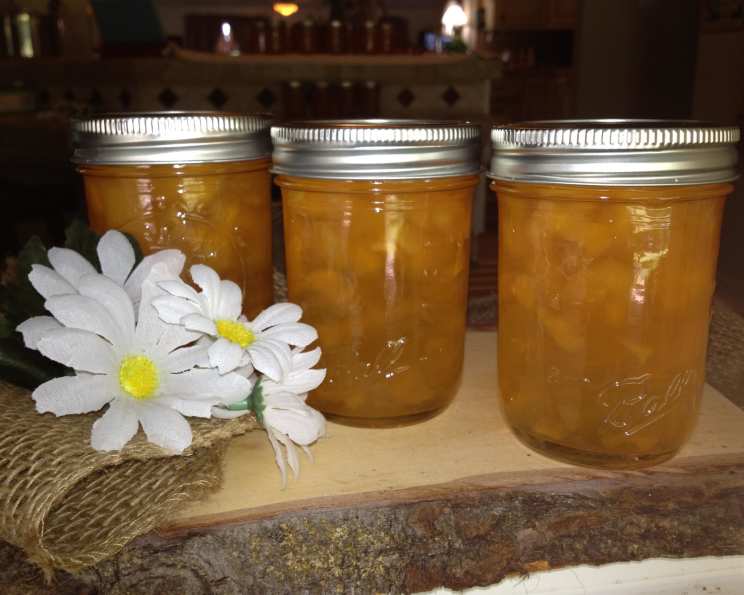
Cantaloupe Jam: A Taste of Summer Sunshine
The memory of my grandmother’s kitchen in July is always bathed in a golden hue. Not just from the summer sun streaming through the window, but also from the jars of cantaloupe jam that lined her countertops, cooling and setting. The sweet, floral aroma would fill the air, a promise of warm biscuits slathered with this liquid sunshine, a taste I carry with me to this day. It wasn’t just jam; it was a spoonful of summer memories, bottled and preserved for the colder months.
Recipe Overview
- Prep Time: 20 minutes
- Cook Time: 30 minutes
- Total Time: 50 minutes
- Yields: About 5 half-pint jars
- Dietary Type: Vegetarian, Gluten-Free
Ingredients
- 3 cups firm ripe cantaloupe, seeded, peeled, crushed, lightly drained (about 2 large)
- ½ cup strained fresh lemon juice
- 5 ¾ cups sugar
- ½ teaspoon unsalted butter
- 2 (3 ounce) packages liquid pectin
Equipment Needed
- 8-quart pan
- Sterilized jars and lids
- Jar lifter
- Water bath canner
Instructions
-
Prepare the Cantaloupe: Begin by selecting ripe, but firm, cantaloupes. Overripe melons will result in a jam that is too sweet and lacks the desired texture. Seed the melons, peel them, and then crush the flesh. Lightly drain the crushed cantaloupe to remove excess liquid. This helps prevent a watery jam. You should have approximately 3 cups of prepared cantaloupe.
-
Combine Ingredients: In an 8-quart pan, combine the prepared cantaloupe, strained fresh lemon juice, sugar, and unsalted butter. The butter helps to reduce foaming during the cooking process.
-
Dissolve the Sugar: Place the pan over medium-low heat. Stir the mixture constantly until the sugar is completely dissolved. This is a crucial step to ensure a smooth jam. Take your time and don’t rush this process.
-
Bring to a Rolling Boil: Increase the heat to medium-high and bring the mixture to a full rolling boil, stirring constantly. A “full rolling boil” is a boil that cannot be stirred down.
-
Add the Pectin: Stir in the entire contents of both liquid pectin pouches. Return the mixture to a full rolling boil, stirring constantly. It is important to use liquid pectin in this recipe, as powdered pectin requires a different process.
-
Boil and Stir: Boil, stirring constantly, for exactly 1 minute. This step is critical for the jam to set properly. Overcooking can result in a tough jam, while undercooking will leave it too runny.
-
Remove from Heat and Skim: Remove the pan from the heat. Skim off any foam that has formed on the surface of the jam. This will result in a clearer, more appealing final product.
-
Prevent Separation: To prevent the fruit from separating in the jars, allow the jam to cool for 5 minutes before filling the jars. Gently stir the jam every minute or so to distribute the fruit evenly throughout the mixture.
-
Fill the Jars: Ladle the hot jam into hot, sterilized jars, leaving 1/4-inch headspace at the top. Headspace is the space between the top of the jam and the lid of the jar, and it is essential for proper sealing.
-
Prepare for Processing: Wipe the jar rims and threads with a clean, damp cloth to remove any jam residue. This will ensure a proper seal. Cover the jars with hot lids and apply screw rings, tightening them fingertip-tight. Do not overtighten, as this can prevent the jars from venting properly during processing.
-
Process in a Water Bath: Process half-pint jars in a 200°F water bath for 10 minutes; process pint jars for 15 minutes. Ensure the jars are completely submerged in the water. Start timing when the water returns to a boil.
-
Cool and Check Seals: Carefully remove the jars from the water bath using a jar lifter and place them on a towel-lined surface to cool. Let the jars cool completely, undisturbed, for 12-24 hours. As the jars cool, you should hear a popping sound as the lids seal.
-
Test the Seals: After the jars have cooled completely, check the seals by pressing down on the center of each lid. If the lid doesn’t flex or pop, it is properly sealed. If a lid flexes, the jar is not sealed and should be refrigerated and used promptly, or reprocessed with a new lid.
Expert Tips & Tricks
-
Cantaloupe Selection: The quality of your cantaloupe will directly impact the flavor of your jam. Choose melons that are fragrant, have a slightly bumpy surface, and feel heavy for their size. Avoid melons with soft spots or bruises.
-
Lemon Juice is Key: Don’t skimp on the lemon juice! It not only adds brightness and flavor but also helps with the setting process.
-
Sterilization is Essential: Ensure your jars and lids are properly sterilized to prevent spoilage. You can sterilize them by boiling them in water for 10 minutes or running them through a hot dishwasher cycle.
-
Don’t Double the Recipe: Making jam in large batches can affect the cooking time and consistency. It’s best to stick to the recommended recipe size for the best results.
-
Jam Thermometer (Optional): If you’re unsure about the doneness, you can use a jam thermometer. The jam is ready when it reaches 220°F (104°C).
Serving & Storage Suggestions
Cantaloupe jam is delicious served on toast, biscuits, scones, or croissants. It also makes a wonderful addition to yogurt, oatmeal, or ice cream.
- Storage: Properly sealed jars of cantaloupe jam can be stored in a cool, dark place for up to 1 year. Once opened, refrigerate the jam and use it within 2-3 weeks.
Nutritional Information
| Nutrient | Amount per Serving | % Daily Value |
|---|---|---|
| Calories | 280 kcal | 14% |
| Total Fat | 0.1g | 0% |
| Saturated Fat | 0.0g | 0% |
| Cholesterol | 0mg | 0% |
| Sodium | 5mg | 0% |
| Total Carbohydrate | 70g | 25% |
| Dietary Fiber | 0.4g | 1% |
| Sugars | 69g | – |
| Protein | 0.1g | 0% |
Note: Nutritional information is an estimate and may vary based on specific ingredients and preparation methods.
Variations & Substitutions
-
Spice it Up: Add a pinch of ground ginger, cinnamon, or nutmeg to the jam for a warm, spiced flavor.
-
Herbal Infusion: Infuse the jam with fresh herbs like mint or basil during the cooling process for a unique flavor profile. Remove the herbs before jarring.
-
Cantaloupe Blend: Combine cantaloupe with other fruits like peaches or nectarines for a more complex flavor.
-
Low-Sugar Option: While this recipe relies on sugar for preservation, you can experiment with using a sugar substitute designed for jam making, but be aware that it may affect the texture and shelf life.
FAQs (Frequently Asked Questions)
Q: Why is my cantaloupe jam too runny?
A: This could be due to several factors, including not cooking the jam long enough, using overripe cantaloupe, or inaccurate measurements of ingredients. Ensure you follow the recipe precisely and cook the jam to a full rolling boil for the specified time.
Q: Can I use powdered pectin instead of liquid pectin?
A: No, liquid and powdered pectin are not interchangeable. They require different processes and will yield different results.
Q: How do I know if my jars are properly sealed?
A: After cooling, the lids should be concave and not flex when pressed. If a lid pops or flexes, it is not sealed and should be refrigerated.
Q: Can I freeze cantaloupe jam?
A: While it’s not ideal due to potential changes in texture, you can freeze cantaloupe jam in freezer-safe containers. Thaw it in the refrigerator before using.
Q: My jam has foam on top. Is that okay?
A: Foam is a normal byproduct of the cooking process. Skimming it off before jarring results in a clearer jam, but it’s not harmful if you leave it.
Final Thoughts
Don’t be intimidated by the idea of making jam! This cantaloupe jam recipe is a delightful way to capture the essence of summer and enjoy it all year round. The process is simple, and the reward is a delicious, homemade spread that will brighten any breakfast or dessert. So, gather your ingredients, put on some music, and immerse yourself in the joy of creating something special. And, of course, share your creations and feedback – I’d love to hear about your cantaloupe jam adventures! Consider pairing this jam with freshly baked scones and a cup of Earl Grey tea for a truly sublime experience. Happy jamming!