
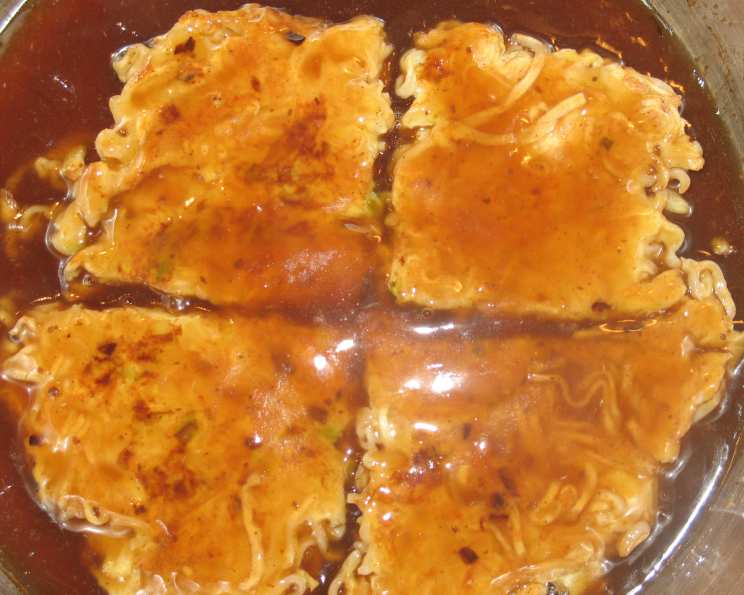
Mastering Cantonese Brown Sauce: A Chef’s Guide to Umami
My earliest memory of Cantonese brown sauce involves sneaking tastes of it straight from the wok, a guilty pleasure I indulged in while shadowing my grandfather in his bustling Hong Kong kitchen. The rich, savory aroma always filled the air, a promise of the delectable dishes to come. That glossy, mahogany-colored sauce transformed simple ingredients into culinary masterpieces, a testament to the magic of Cantonese cooking. The complex flavor, a harmonious blend of sweet, salty, and umami, is something I’ve strived to recreate ever since, and I’m excited to share this recipe with you.
Recipe Overview
- Prep Time: 5 minutes
- Cook Time: 15 minutes
- Total Time: 20 minutes
- Yields: ¾ cup
- Dietary Type: Varies (See notes)
Ingredients
- ¾ cup meat drippings (beef bouillon cubes can be used) or ¾ cup beef broth (beef bouillon cubes can be used)
- 4 teaspoons oyster sauce
- 1 teaspoon dark soy sauce
- ½ teaspoon sugar
- 1 tablespoon cornstarch, dissolved in 2 tablespoons cold water
Ingredient Notes:
- For a vegetarian or vegan option, you can substitute the meat drippings or beef broth with a robust mushroom broth and replace the oyster sauce with a vegetarian oyster sauce alternative (often made from mushrooms).
Equipment Needed
- Small saucepan
- Whisk or spoon
Instructions
-
Begin by gathering all your ingredients. This ensures a smooth and efficient cooking process. Have the meat drippings or beef broth, oyster sauce, dark soy sauce, sugar, and cornstarch slurry (cornstarch mixed with cold water) ready to go.
-
In a small saucepan, combine the meat drippings (or beef broth), oyster sauce, dark soy sauce, and sugar. Stir gently to incorporate all the ingredients.
-
Place the saucepan over medium heat and bring the mixture to a gentle simmer. Avoid letting it boil rapidly at this stage.
-
Once simmering, gradually add the cornstarch slurry to the saucepan while continuously whisking or stirring. This is crucial to prevent lumps from forming.
-
Continue to cook and stir the sauce until it thickens to your desired consistency. This should take just a few minutes. You’ll notice the sauce becoming glossy and coating the back of a spoon nicely.
-
Remove the saucepan from the heat. The sauce will continue to thicken slightly as it cools.
-
Use immediately or allow to cool before storing.
Expert Tips & Tricks
- Achieving the Perfect Consistency: The key to a great brown sauce is the consistency. If the sauce is too thick, add a little more broth (or water, if using bouillon). If it’s too thin, whisk in a tiny bit more cornstarch slurry (mix ½ teaspoon cornstarch with 1 teaspoon cold water).
- Enhancing the Umami: For an even deeper umami flavor, consider adding a small pinch of MSG (monosodium glutamate). This is a common ingredient in many Asian cuisines and will elevate the savory notes of the sauce. However, it’s entirely optional and can be omitted based on your preference.
- Don’t Overcook: Be careful not to overcook the sauce after adding the cornstarch. Overcooking can break down the cornstarch and cause the sauce to thin out again.
- Infusing Aromatics: For added depth, consider infusing the sauce with aromatics like sliced ginger or garlic in the initial simmering stage. Simply remove them before serving.
Serving & Storage Suggestions
Cantonese brown sauce is incredibly versatile and can be used in a variety of dishes. It’s perfect for:
- Stir-fries: Toss it with your favorite vegetables, proteins (beef, chicken, tofu), and noodles or rice.
- Noodle dishes: Drizzle it over pan-fried or boiled noodles for a simple yet flavorful meal.
- Meat dishes: Use it as a glaze for roasted or grilled meats.
- Vegetable dishes: Enhance the flavor of steamed or sautéed greens with a spoonful of brown sauce.
Storage:
- Refrigerator: Store leftover brown sauce in an airtight container in the refrigerator for up to 3-4 days.
- Freezer: For longer storage, freeze the sauce in a freezer-safe container for up to 1-2 months.
- Reheating: Reheat the sauce gently on the stovetop over low heat, stirring occasionally. If it has thickened too much during storage, add a little more broth or water to thin it out.
Nutritional Information
Note: The following nutritional information is an estimate and may vary based on specific ingredients used, especially if meat drippings are used. Values will differ greatly if broth and/or bouillon cubes are used as a base.
| Nutrient | Amount per Serving | % Daily Value |
|---|---|---|
| Calories | 146.9 kcal | – |
| Calories from Fat | 4 g | 3 % |
| Total Fat | 0.5 g | 0 % |
| Saturated Fat | 0.1 g | 0 % |
| Cholesterol | 0 mg | 0 % |
| Sodium | 5305.1 mg | 221 % |
| Total Carbohydrate | 32.4 g | 10 % |
| Dietary Fiber | 0.7 g | 2 % |
| Sugars | 2.9 g | 11 % |
| Protein | 3.3 g | 6 % |
Variations & Substitutions
- Spicy Brown Sauce: Add a pinch of red pepper flakes or a dash of chili oil to the sauce for a spicy kick.
- Garlic Brown Sauce: Sauté minced garlic in a little oil before adding the other ingredients for a more pronounced garlic flavor.
- Ginger Brown Sauce: Add a few slices of fresh ginger to the sauce while simmering for a warm, aromatic touch. Remove the ginger slices before serving.
- Hoisin Infusion: Mix in a teaspoon or two of hoisin sauce for added sweetness and complexity.
FAQs (Frequently Asked Questions)
Q: Can I use regular soy sauce instead of dark soy sauce?
A: While you can use regular soy sauce, dark soy sauce adds a richer color and slightly sweeter flavor to the brown sauce. If using regular soy sauce, you may want to add a touch more sugar to compensate.
Q: What can I use if I don’t have oyster sauce?
A: Oyster sauce is a key ingredient for the authentic flavor, but you can substitute it with hoisin sauce or a vegetarian oyster sauce alternative (often made from mushrooms) in a pinch. The flavor profile will be slightly different, but still delicious.
Q: How do I prevent lumps when adding the cornstarch slurry?
A: The key is to mix the cornstarch with cold water until completely dissolved before adding it to the hot sauce. Also, be sure to whisk or stir constantly while adding the slurry to ensure it incorporates smoothly.
Q: Can I make this sauce ahead of time?
A: Yes, this sauce can be made ahead of time and stored in the refrigerator for up to 3-4 days. Reheat gently on the stovetop before using.
Q: My sauce is too salty. What can I do?
A: If your sauce is too salty, try adding a little bit of sugar or a splash of unsalted broth or water to balance the flavors. You can also add a squeeze of lemon or lime juice for brightness.
Final Thoughts
Cantonese brown sauce is more than just a condiment; it’s a culinary cornerstone, a versatile building block that unlocks a world of flavor. Don’t be intimidated by the simplicity of the ingredients; the magic lies in the balance and the technique. I encourage you to experiment with this recipe, tweak it to your liking, and discover the endless possibilities it offers. Whether you’re a seasoned chef or a home cook, mastering this sauce will undoubtedly elevate your Cantonese cooking and bring a taste of authentic Hong Kong cuisine to your table. Let me know what you think! What dishes did you enhance with this sauce?