
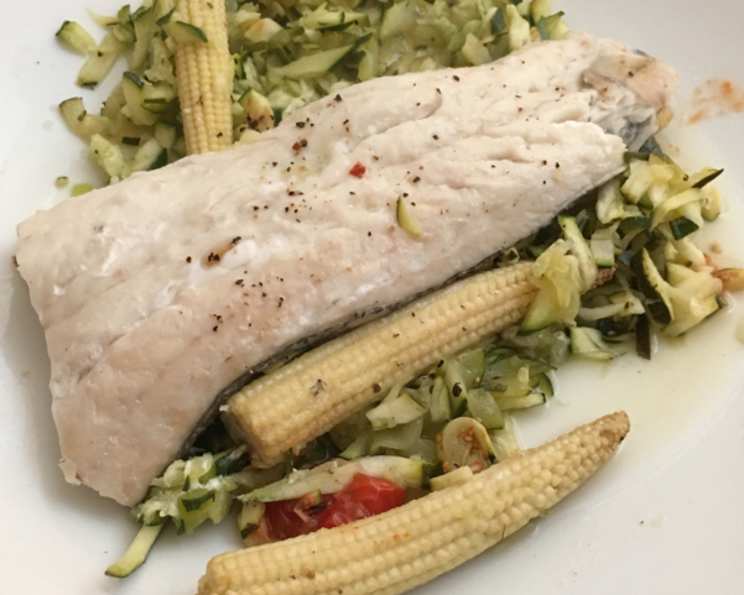
Cape Capensis Baked With Herbs: A Taste of the South African Coast
The first time I tasted hake, I was on a tiny fishing boat just outside of Cape Town. The salty air whipped around us as we hauled in our modest catch, and the ship’s cook, a woman named Maria with hands as weathered as the hull itself, simply dredged the freshly caught hake in seasoned flour and pan-fried it in butter. The simplicity of that meal, the pure taste of the fish, and the camaraderie of the crew created a memory that still warms me to this day. While that experience remains close to my heart, this baked hake recipe, infused with fragrant herbs and bright lemon, brings back a similar sense of simple delight, showcasing the delicate flavour of this wonderful fish.
Recipe Overview
- Prep Time: 15 minutes
- Cook Time: 20-30 minutes
- Total Time: 35-45 minutes
- Servings: 4
- Dietary Type: Pescatarian
Ingredients
- 2 lbs hake fillets, rinsed in cold water (Capensis fillets)
- 2 lemons, cut into wedges
- 2-3 tablespoons butter, cut up, or 2-3 tablespoons margarine
- 2-3 tablespoons lemon juice, fresh squeezed
- Fresh parsley, chopped
The Herbs:
- 1/2 cup Rice Chex, finely crushed (or your choice of cereal)
- 1/2 cup instant potato flakes
- 1/3 cup parmesan cheese, finely grated
- 1 tablespoon parsley flakes
- 1 teaspoon basil
- 1/2 teaspoon garlic powder
- 1/4 teaspoon tarragon
- 1/4 teaspoon pepper, freshly ground
- 1/4 teaspoon paprika
Equipment Needed
- Baking dish
- Small bowl
- Fork
- Measuring cups and spoons
Instructions
-
Begin by preheating your oven to 350°F (175°C). This moderate temperature ensures the hake cooks evenly and stays moist.
-
Prepare the hake fillets: gently rinse them under cold water and pat them dry with paper towels. Place the fillets in a lightly greased baking dish.
-
Next, dot the rinsed fillets with butter (or margarine). Distribute the butter evenly across the fish, ensuring each fillet receives a generous amount. This will help to keep the fish moist and add a rich flavour.
-
Sprinkle the fillets with fresh lemon juice. Squeeze the juice from the lemons, ensuring even distribution. This will add brightness and acidity, complementing the delicate flavor of the hake.
-
Now, prepare the herb mixture. In a small bowl, combine the finely crushed Rice Chex, instant potato flakes, grated Parmesan cheese, parsley flakes, basil, garlic powder, tarragon, freshly ground pepper, and paprika. Mix all ingredients thoroughly to ensure a homogenous herb mixture.
-
Sprinkle the herb mixture generously over the fish fillets. Ensure each fillet is well-coated with the herb mixture, but be mindful not to overdo it. Too much herb mixture can make the fish taste dry. Aim for a nice, even layer that covers the surface of the fish.
-
Bake the hake for 20 to 30 minutes. The cooking time will depend on the thickness of the fillets. Check for doneness by testing with a fork. The fish should flake easily when tested.
-
Do not overbake the fish! Overbaking will result in dry, tough fish.
-
Serve immediately with lemon wedges and fresh parsley sprigs for garnish.
Expert Tips & Tricks
- Cereal Choice: While the recipe calls for Rice Chex, you can experiment with other cereals like cornflakes or even crushed crackers. Just ensure they are finely crushed for even coating.
- Herb Infusion: For an extra layer of flavour, consider infusing the melted butter with the herbs before dotting the fish. Simply melt the butter in a small saucepan, add the dry herbs, and let it simmer for a minute or two before cooling slightly and brushing onto the fillets.
- Cheese Variation: Instead of Parmesan, try using Pecorino Romano for a sharper, saltier flavour, or a mild cheddar for a creamier texture.
- Make-Ahead Prep: You can prepare the herb mixture a day in advance and store it in an airtight container at room temperature. This saves time on the day of cooking.
- Fixing Dry Fish: If you accidentally overbake the hake, don’t despair! Drizzle a little olive oil or melted butter over the fish and serve it with a creamy sauce, such as a lemon-dill aioli, to add moisture and flavour.
Serving & Storage Suggestions
Serve the baked hake immediately while it’s hot and flaky. A squeeze of fresh lemon juice just before serving brightens the flavours beautifully. This dish pairs perfectly with a side of roasted vegetables like asparagus or broccoli, a simple green salad, or a creamy potato gratin.
For leftovers, store the baked hake in an airtight container in the refrigerator for up to 2 days. Reheat gently in a preheated oven at 300°F (150°C) for about 10-15 minutes, or until heated through. You can also microwave it, but be aware that this may affect the texture.
Do not leave the cooked fish at room temperature for more than 2 hours. Freezing is not recommended as it can affect the texture of the fish.
Nutritional Information
| Nutrient | Amount per Serving | % Daily Value |
|---|---|---|
| Calories | 323.5 kcal | N/A |
| Calories from Fat | 89 g | 28% |
| Total Fat | 9.9 g | 15% |
| Saturated Fat | 5.4 g | 27% |
| Cholesterol | 120.2 mg | 40% |
| Sodium | 335.8 mg | 13% |
| Total Carbohydrate | 12.7 g | 4% |
| Dietary Fiber | 1.6 g | 6% |
| Sugars | 1.5 g | N/A |
| Protein | 45.1 g | 90% |
Note: Nutritional information is an estimate and may vary based on specific ingredients and portion sizes.
Variations & Substitutions
- Gluten-Free: To make this recipe gluten-free, ensure that the cereal used is gluten-free certified. Substitute the regular instant potato flakes with a gluten-free variety.
- Dairy-Free: Omit the Parmesan cheese or substitute it with a dairy-free Parmesan alternative. Use margarine instead of butter.
- Spicy Kick: Add a pinch of red pepper flakes to the herb mixture for a touch of heat.
- Italian Herb Blend: Replace the individual herbs with an Italian herb blend for a different flavour profile.
- Lemon-Herb Crust: Mix lemon zest into the herb mixture for an intensified lemon flavour.
FAQs (Frequently Asked Questions)
Q: What is hake and what does it taste like?
A: Hake is a white fish, similar in texture and flavor to cod or haddock. It has a mild, slightly sweet taste and a delicate, flaky texture, making it a versatile choice for various cooking methods.
Q: Can I use frozen hake fillets for this recipe?
A: Yes, you can use frozen hake fillets. Be sure to thaw them completely before cooking and pat them dry with paper towels to remove any excess moisture.
Q: How do I know when the hake is cooked through?
A: The hake is cooked through when it flakes easily with a fork. The internal temperature should reach 145°F (63°C). Avoid overcooking the fish, as it will become dry.
Q: Can I use different herbs in the herb mixture?
A: Absolutely! Feel free to experiment with different herbs to suit your taste. Dill, oregano, or thyme would all be delicious additions.
Q: Is there a good substitute for Parmesan cheese?
A: If you don’t have Parmesan cheese on hand, you can use Pecorino Romano cheese or a similar hard, grating cheese. Nutritional yeast can also be used as a dairy-free alternative.
Final Thoughts
This Cape Capensis Baked With Herbs recipe offers a delightful way to enjoy the delicate flavor of hake. The simple herb crust, infused with lemon and Parmesan, elevates the fish without overpowering its natural taste. I encourage you to try this recipe and adapt it to your own preferences. Whether you’re a seasoned chef or a beginner cook, this dish is sure to impress. Share your feedback and variations, and consider pairing it with a crisp white wine for a complete and satisfying meal. Happy cooking!