
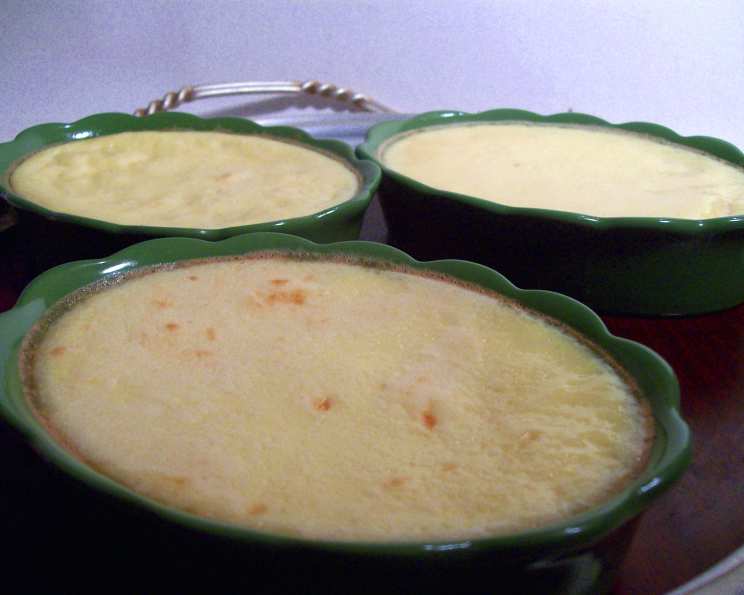
The Enduring Elegance of Caramel Custard
My grandmother, a woman of quiet strength and unparalleled grace, always had a caramel custard waiting for us whenever we visited. The scent alone, a delicate dance of caramelized sugar and warm vanilla, would fill her cozy kitchen with an irresistible invitation. It wasn’t just a dessert; it was a symbol of her love, a sweet, comforting hug in edible form. Even now, decades later, the first bite of a perfectly executed caramel custard transports me back to her kitchen, a testament to the enduring power of simple, heartfelt baking.
Recipe Overview
- Prep Time: 15 minutes
- Cook Time: 1 hour 10 minutes
- Total Time: 1 hour 25 minutes
- Servings: 6
- Dietary Type: Not suitable for Vegan, Gluten-Free, or Dairy-Free diets.
Ingredients
- 2 cups sugar
- 3 1/2 cups milk
- 1 cinnamon stick
- 6 eggs
- 1 teaspoon vanilla
Equipment Needed
- Heavy-bottomed pan
- Six custard cups
- Medium-sized saucepan
- Whisk
- Large baking pan
Instructions
- Begin by creating the caramel. Place 1 cup of sugar in a heavy pan. Ensure the pan is clean and dry for optimal caramelization.
- Stir the sugar over low heat until it melts into a liquid, transforming into a light golden brown hue. This process requires patience; avoid high heat which can burn the sugar, resulting in a bitter flavor.
- Once the caramel is ready, carefully and evenly pour it into six warm custard cups. The warmth of the cups will help the caramel spread evenly and prevent it from hardening too quickly. Set the prepared cups aside.
- In a medium-sized saucepan, combine the milk and cinnamon stick.
- Scald the milk over medium heat. This means heating it until just before it boils; small bubbles should form around the edges of the pan. Allow the scalded milk to cool slightly after removing from the heat. Removing the cinnamon stick at this stage is acceptable.
- In a separate bowl, beat the eggs until they are light and foamy. This incorporates air, giving the custard a delicate texture.
- Gradually add the remaining sugar (1 cup) to the beaten eggs, beating well until the mixture is smooth and the sugar is fully dissolved. This gradual addition prevents the eggs from curdling and ensures a consistent texture.
- Slowly add the scalded milk to the egg mixture, stirring constantly to combine. Be sure to remove the cinnamon stick before adding the milk. Stir until all the sugar is dissolved and the mixture is homogenous.
- Stir in the vanilla. The vanilla extract enhances the overall flavor profile of the custard.
- Pour the custard mixture into the caramel-lined cups, filling them almost to the top.
- Place the filled custard cups in a large baking pan.
- Pour hot water into the baking pan, reaching halfway up the sides of the custard cups. This creates a water bath (bain-marie) which helps the custard cook gently and evenly, preventing it from curdling or cracking.
- Bake in a preheated 350 degrees F (175 degrees C) oven for 1 hour and 10 minutes.
- To check for doneness, gently insert a knife into the center of one of the custards. If the knife comes out clean, the custard is ready. If not, continue baking for a few more minutes, checking periodically.
- Once baked, carefully remove the custard cups from the water bath and allow them to cool to room temperature.
- Refrigerate for at least 2 hours, or preferably overnight, to allow the custard to set completely.
Expert Tips & Tricks
- Perfect Caramel: Achieving the perfect caramel requires patience and low heat. Keep a close watch on the sugar and stir constantly to prevent burning. If the caramel starts to smoke, remove it from the heat immediately.
- Smooth Custard: To ensure a smooth and creamy custard, strain the mixture through a fine-mesh sieve before pouring it into the caramel-lined cups. This will remove any lumps or imperfections.
- Preventing Curdling: The key to preventing curdling is to cook the custard gently in a water bath and to avoid overheating the milk. If the custard appears to be curdling during baking, reduce the oven temperature slightly.
- Make-Ahead Magic: Caramel custard is an ideal make-ahead dessert. It can be prepared a day or two in advance and stored in the refrigerator until ready to serve. This makes it a perfect choice for dinner parties or special occasions.
Serving & Storage Suggestions
To serve, run a thin knife around the edges of each custard cup to loosen the custard. Invert the cups onto individual serving plates, allowing the caramel sauce to flow over the custard. Garnish with fresh berries, a sprig of mint, or a dusting of powdered sugar for an elegant presentation. Leftover caramel custard should be stored in the refrigerator, covered tightly, for up to 3 days. It is not recommended to freeze caramel custard, as this can alter its texture. Reheating is not generally necessary, as caramel custard is best enjoyed cold.
Nutritional Information
| Nutrient | Amount per Serving | % Daily Value |
|---|---|---|
| Calories | 424.6 kcal | N/A |
| Calories from Fat | 91 kcal | 22% |
| Total Fat | 10.2 g | 15% |
| Saturated Fat | 4.8 g | 23% |
| Cholesterol | 231.4 mg | 77% |
| Sodium | 139.8 mg | 5% |
| Total Carbohydrate | 73.8 g | 24% |
| Dietary Fiber | 0 g | 0% |
| Sugars | 67.1 g | 268% |
| Protein | 11 g | 21% |
Note: % Daily Value percentages are based on a 2,000 calorie diet. Individual nutritional needs may vary.
Variations & Substitutions
- Dairy-Free Custard: For a dairy-free version, substitute the milk with unsweetened almond milk or coconut milk. The flavor will be slightly different, but still delicious.
- Spice Infusion: Experiment with different spices in addition to cinnamon. Cardamom, nutmeg, or even a pinch of cayenne pepper can add a unique twist to the flavor profile. Infuse the milk with these spices for a more intense flavor.
- Citrus Zest: Add a touch of citrus zest, such as lemon or orange, to the custard mixture for a bright and refreshing flavor.
- Coffee Infusion: For a mocha-inspired custard, add a tablespoon of instant coffee powder to the milk while scalding.
FAQs (Frequently Asked Questions)
Q: Why is my caramel custard grainy?
A: Grainy custard is often caused by overcooking or curdling. Ensure you cook the custard in a water bath at a consistent temperature and avoid overheating the milk.
Q: How do I prevent my custard from cracking on top?
A: Cracking can occur if the oven temperature is too high or the custard is not cooked in a water bath. The water bath helps to regulate the temperature and prevent the custard from drying out.
Q: Can I use a different type of sugar for the caramel?
A: While granulated sugar works best for caramelizing, you can experiment with brown sugar for a richer, molasses-like flavor. However, be aware that brown sugar caramelizes more quickly, so keep a close watch on it.
Q: How long does caramel custard last in the refrigerator?
A: Properly stored in the refrigerator, caramel custard will last for up to 3 days. Ensure it is covered tightly to prevent it from absorbing any odors.
Q: Can I make this recipe in a larger baking dish instead of individual cups?
A: Yes, you can bake the custard in a larger baking dish. Be sure to adjust the baking time accordingly, as a larger dish will require a longer cooking time. Check for doneness by inserting a knife into the center.
Final Thoughts
Caramel custard, with its simple elegance and comforting flavor, is a dessert that transcends generations. Whether you’re a seasoned baker or just starting out, this recipe is a wonderful way to create a sweet treat that is sure to impress. Don’t be intimidated by the caramel; with a little patience and attention, you’ll be rewarded with a luscious, creamy custard that will transport you back to cherished memories. So, gather your ingredients, preheat your oven, and embark on this delicious journey. Share your creations and experiences, and let the magic of caramel custard fill your kitchen with warmth and joy.