
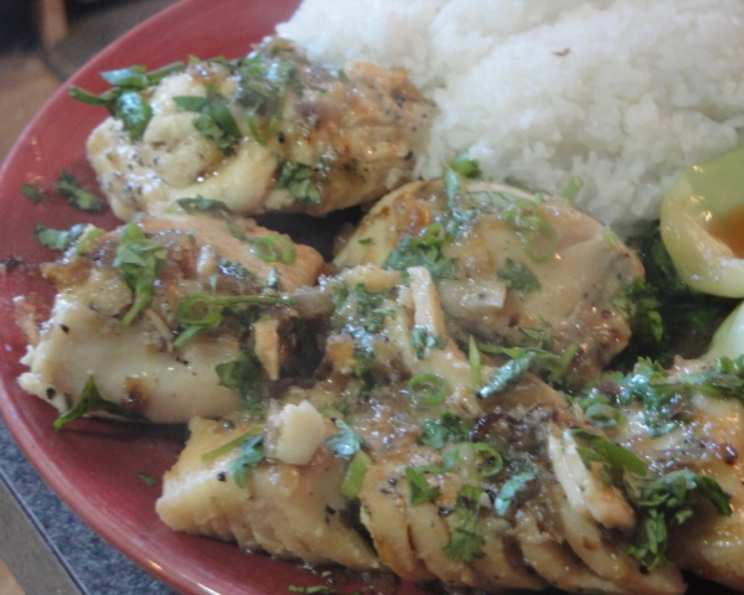
Caramelized Black-Pepper Fish: A Taste of Vietnamese Home Cooking
The aroma still transports me. I remember being a young culinary student, volunteering at a local Vietnamese community center, eager to learn authentic dishes from the abuelas of the community. One of the most memorable dishes was this Caramelized Black-Pepper Fish. The blend of sweet, savory, and spicy, with the rich, dark caramel sauce clinging to the tender fish, was unlike anything I’d ever tasted. It was comfort food elevated, a testament to the power of simple ingredients transformed by skillful technique. It was more than just a meal; it was a story told in flavors, a piece of home cooked love right from their kitchen.
Recipe Overview
- Prep Time: 15 minutes
- Cook Time: 25 minutes
- Total Time: 40 minutes
- Servings: 4-5
- Yield: Variable, depending on fish portion size
- Dietary Type: Pescatarian, Gluten-Free (check fish sauce label)
Ingredients
- 3/4 cup chopped shallot
- 1 tablespoon olive oil
- 1/4 cup sugar
- 1/4 cup Asian fish sauce (also called nam pla)
- 1/4 cup water
- 1 1/2 teaspoons fresh ground black pepper
- 2 lbs mackerel or 2 lbs swordfish, skin removed, cut into 6-8 pieces
- 4 scallions, thinly sliced
- 1/2 bunch cilantro, chopped
Ingredient Notes:
- Fish Sauce: Quality matters! Look for a fish sauce with a deep amber color and a clean, savory aroma. Avoid brands with added MSG or artificial ingredients. Red Boat Fish Sauce is a well-regarded brand. For a vegetarian option, you may substitute with a mushroom-based sauce but the flavor will be altered.
- Fish Selection: Mackerel offers a rich, oily flavor that pairs beautifully with the caramel sauce. Swordfish provides a firmer texture and a milder taste. Other suitable options include cod, sea bass, or even salmon, adjusting cooking time accordingly.
Equipment Needed
- Large skillet or frying pan (large enough to hold the fish in a single layer)
- Small bowl
- Spatula
- Measuring cups and spoons
Instructions
-
Begin by preparing the shallots. Heat the olive oil in a skillet large enough to accommodate the fish in a single layer, over medium heat. Add the chopped shallots and cook for about 10 minutes, stirring occasionally. The goal is to soften them and develop their sweetness without browning them too much. Reduce the heat if they begin to brown too quickly. Once softened, transfer the shallots to a small bowl and set them aside.
-
Now, create the caramel sauce. To the same skillet, add the sugar, fish sauce, and water. Maintain the heat at medium and cook the mixture for approximately 5 minutes, or until it begins to turn a rich brown color and large bubbles form throughout. This step requires close attention as the sugar can burn easily. Continuous monitoring is crucial.
-
Incorporate the aromatics. Sprinkle the fresh ground black pepper into the caramel sauce, followed by the reserved cooked shallots. Cook for another minute, allowing the flavors to meld together beautifully. The sauce should now be fragrant and thick.
-
Add the fish. Gently place the mackerel or swordfish pieces into the skillet. Cook the fish, carefully turning it with a spatula every three minutes or so, until it is evenly coated with the thickened caramel sauce and just cooked through. This should take approximately 8-10 minutes, depending on the thickness of the fish. Keep in mind to not overcook the fish, as it will dry out quickly.
-
Adjust sauce consistency if needed. If the pan seems too dry during the cooking process, you can add a few tablespoons of water, one tablespoon at a time, to maintain the desired sauce consistency. This helps to prevent the fish from sticking to the pan and ensures even cooking.
-
Finishing Touches. Once the fish is cooked through and the sauce has thickened to a desirable consistency, remove the skillet from the heat. Sprinkle the dish generously with thinly sliced scallions and chopped cilantro. These fresh herbs add a vibrant pop of color and a refreshing counterpoint to the rich caramel sauce.
-
Serve Immediately. Serve the Caramelized Black-Pepper Fish hot, with steamed rice and a simple green vegetable such as stir-fried bok choy or blanched green beans. The rice will soak up the delicious caramel sauce, creating a truly satisfying and flavorful meal.
Expert Tips & Tricks
- For a deeper caramel flavor, use dark brown sugar instead of white sugar. This will add a molasses-like note to the sauce.
- If you are using a delicate fish like cod, consider lightly dredging it in cornstarch before adding it to the pan. This will help to create a crispy exterior and prevent the fish from sticking.
- Don’t overcrowd the pan. If necessary, cook the fish in batches to ensure that each piece cooks evenly and is properly coated with the sauce.
- The caramel sauce can be made ahead of time and stored in the refrigerator for up to 2 days. Reheat it gently before adding the fish.
Serving & Storage Suggestions
Serve the Caramelized Black-Pepper Fish immediately for the best flavor and texture. The bright green herbs are a welcome visual counterpoint.
Leftovers can be stored in an airtight container in the refrigerator for up to 2 days. Reheat gently in a skillet over low heat, adding a splash of water if needed to loosen the sauce. Microwaving is not recommended as it can dry out the fish. Freezing is not recommended as it will alter the texture of the fish.
Nutritional Information
| Nutrient | Amount per Serving | % Daily Value |
|---|---|---|
| Calories | 365.9 kcal | N/A |
| Calories from Fat | N/A | 18% |
| Total Fat | 7.1 g | 10% |
| Saturated Fat | 1.3 g | 6% |
| Cholesterol | 136.2 mg | 45% |
| Sodium | 1607.8 mg | 66% |
| Total Carbohydrate | 20 g | 6% |
| Dietary Fiber | 0.7 g | 2% |
| Sugars | 13.5 g | 54% |
| Protein | 53.3 g | 106% |
Please note that these values are estimates and may vary based on specific ingredients and preparation methods.
Variations & Substitutions
- Spice it up: Add a pinch of red pepper flakes or a small, finely chopped chili pepper to the caramel sauce for an extra kick.
- Coconut Caramel: Replace half of the water with coconut milk for a richer, creamier sauce with a subtle coconut flavor.
- Citrus Zest: Add the zest of one lime or lemon to the sauce for a bright, citrusy note.
- Herbal Infusion: Experiment with different herbs such as Thai basil or mint in place of the cilantro for a unique flavor profile.
- Vegetarian Adaptation: While the fish sauce is key for the characteristic flavor, a strongly flavored mushroom-based sauce or even a dark soy sauce can provide some of the umami notes for a vegetarian dish using tofu. Ensure the tofu is pressed to remove excess water and pan-fried until crispy before adding it to the sauce.
FAQs (Frequently Asked Questions)
Q: Can I use a different type of fish?
A: Absolutely! Mackerel and swordfish are great options, but you can also use cod, sea bass, or salmon. Adjust the cooking time according to the thickness of the fish.
Q: What if my caramel sauce burns?
A: Unfortunately, a burnt caramel sauce is difficult to salvage. Start over with fresh ingredients, paying close attention to the heat and stirring frequently.
Q: Can I make this dish ahead of time?
A: The caramel sauce can be made ahead of time and stored in the refrigerator for up to 2 days. However, it is best to cook the fish fresh for optimal flavor and texture.
Q: What is the best way to serve this dish?
A: Serve the Caramelized Black-Pepper Fish hot, with steamed rice and a simple green vegetable to complete the meal.
Q: Is there a substitute for fish sauce?
A: While there is no perfect substitute, you can use a mushroom-based sauce or dark soy sauce to add some umami flavor, but the taste will differ.
Final Thoughts
This Caramelized Black-Pepper Fish is more than just a recipe; it’s an invitation to explore the vibrant flavors of Vietnamese cuisine. Don’t be intimidated by the unfamiliar ingredients – embrace the process, experiment with variations, and most importantly, share the delicious results with loved ones. This dish is a wonderful main course and pairs perfectly with a crisp Sauvignon Blanc. I hope this brings a taste of Vietnamese comfort to your home, just like it did for me. Happy cooking!