
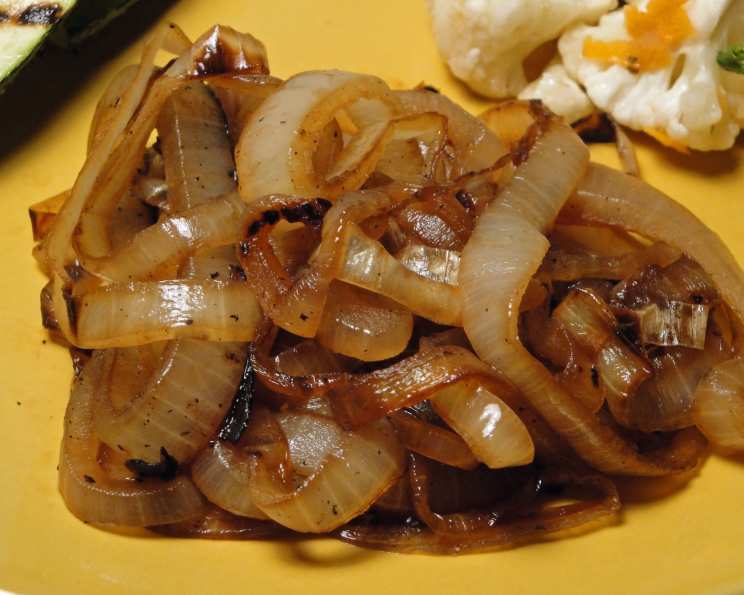
Deeply Delicious Balsamic Caramelized Onions: A Culinary Love Affair
The first time I tasted properly caramelized onions, I was a young apprentice in a bustling Parisian bistro. The chef, a gruff but incredibly talented woman named Madame Dubois, used them in everything: tarts, soups, even as a bed for perfectly seared steak. I remember the sweet, savory aroma that permeated the kitchen as the onions slowly softened and deepened in color, a scent that promised layers of complex flavor. That transformative experience ignited my passion for the simple magic of transforming humble ingredients into culinary gold. Now, years later, I still find myself drawn to the comforting, versatile, and utterly irresistible allure of caramelized onions.
Recipe Overview
- Prep Time: 10 minutes
- Cook Time: 20 minutes
- Total Time: 30 minutes
- Yields: 1 1/2 cups
- Dietary Type: Vegan
Ingredients
- 4 cups sweet onions, sliced
- 2 tablespoons olive oil
- 1 tablespoon brown sugar
- 2 tablespoons balsamic vinegar
- 1 tablespoon lemon juice
- 1/4 teaspoon salt
- 1/4 teaspoon pepper
Equipment Needed
- Large skillet
Instructions
- Heat the olive oil in a large skillet over medium-high heat. Be sure your skillet is large enough to accommodate all the onions without overcrowding; this helps them caramelize evenly.
- Add the sliced onions to the hot oil, stirring often. Cook for 10 to 12 minutes, or until the onions are golden brown and softened. The key here is patience! Don’t rush the process; allowing the onions to slowly cook down is what brings out their natural sweetness. Stir frequently to prevent burning, but also allow them to sit undisturbed for short periods to develop a nice, caramelized crust on the bottom of the pan.
- Sprinkle the brown sugar over the onions and cook for 2 minutes, stirring constantly. The brown sugar will melt and help to further caramelize the onions, adding depth and richness to their flavor.
- Add the balsamic vinegar, lemon juice, salt, and pepper to the skillet. Cook for an additional 2 minutes, stirring until the liquids have mostly evaporated and the onions are coated in a glistening glaze. The balsamic vinegar provides a tangy sweetness that balances the richness of the onions, while the lemon juice adds a touch of brightness. Season with salt and pepper to taste.
- Serve the caramelized onions warm or cold.
Expert Tips & Tricks
- Type of Onion Matters: While this recipe calls for sweet onions, feel free to experiment! Yellow onions will work in a pinch, but they have a sharper flavor. Red onions will add a beautiful color and slightly different sweetness.
- Low and Slow is the Way to Go: The biggest mistake people make when caramelizing onions is cooking them over too high heat. This can cause them to burn instead of caramelize. Be patient and cook them over medium-high heat, adjusting as needed to prevent burning.
- Deglazing the Pan: If you notice that the onions are sticking to the bottom of the pan, deglaze it with a tablespoon or two of water or broth. This will help to loosen any browned bits and add even more flavor to the onions.
- Make-Ahead Magic: Caramelized onions are fantastic to make ahead of time! Prepare them as directed, let them cool completely, and then store them in an airtight container in the refrigerator for up to 5 days, or in the freezer for up to 3 months.
- Adjusting the Sweetness: If you prefer your caramelized onions less sweet, reduce the amount of brown sugar.
Serving & Storage Suggestions
These balsamic caramelized onions are incredibly versatile. Serve them as a topping for burgers, sandwiches, or pizzas. They’re also delicious as a side dish with grilled meats or vegetables. I love adding them to quiches, tarts, and soups for a boost of flavor.
Storage:
- Refrigerator: Store cooled caramelized onions in an airtight container in the refrigerator for up to 5 days.
- Freezer: For longer storage, freeze the onions in an airtight container for up to 3 months. Thaw them in the refrigerator overnight before using.
Reheating:
- Reheat caramelized onions in a skillet over medium heat, stirring occasionally, until warmed through. You can also microwave them in 30-second intervals, stirring in between, until heated.
Nutritional Information
| Nutrient | Amount per Serving | % Daily Value |
|---|---|---|
| Calories | 150 kcal | 8% |
| Total Fat | 7g | 11% |
| Saturated Fat | 1g | 5% |
| Cholesterol | 0mg | 0% |
| Sodium | 150mg | 6% |
| Total Carbohydrate | 20g | 7% |
| Dietary Fiber | 2g | 8% |
| Sugars | 10g | N/A |
| Protein | 1g | 2% |
Note: Nutritional information is an estimate and may vary based on specific ingredients and portion sizes.
Variations & Substitutions
- Spicy Caramelized Onions: Add a pinch of red pepper flakes to the skillet along with the onions for a touch of heat.
- Garlic Caramelized Onions: Add a minced clove of garlic to the skillet a few minutes before the onions are done.
- Herb Infused: Toss in fresh thyme or rosemary sprigs during the last 5 minutes of cooking for an herbaceous flavor. Remove the sprigs before serving.
- Maple Syrup: Substitute maple syrup for the brown sugar for a different kind of sweetness.
- Wine Infusion: Add a splash of red or white wine to deglaze the pan for a richer flavor.
- Vegan Balsamic Glaze: Replace brown sugar with maple syrup or agave nectar to keep the recipe 100% plant-based.
FAQs (Frequently Asked Questions)
Q: Can I use any type of onion for this recipe?
A: While sweet onions are recommended for their mild flavor and high sugar content, you can use yellow or red onions as well. Just be aware that they will have a slightly stronger flavor.
Q: How do I prevent the onions from burning?
A: Cook the onions over medium-high heat and stir frequently to prevent burning. If they start to brown too quickly, reduce the heat slightly.
Q: Can I make these ahead of time?
A: Yes, caramelized onions can be made ahead of time and stored in the refrigerator for up to 5 days or in the freezer for up to 3 months.
Q: What can I use caramelized onions for?
A: Caramelized onions are incredibly versatile and can be used as a topping for burgers, sandwiches, pizzas, or as a side dish with grilled meats or vegetables. They can also be added to quiches, tarts, and soups for a boost of flavor.
Q: How do I know when the onions are done?
A: The onions are done when they are golden brown, softened, and have a sweet, caramelized flavor. They should also be slightly sticky and glistening.
Final Thoughts
I urge you to try this recipe for balsamic caramelized onions. It’s a simple yet transformative process that elevates the humble onion to something truly special. Don’t be afraid to experiment with different variations and find your perfect flavor combination. Once you taste the rich, complex sweetness of perfectly caramelized onions, you’ll find yourself adding them to everything! Share your creations and feedback – I’d love to hear how you’ve made this recipe your own. These onions pair beautifully with a crisp glass of Pinot Noir and a crusty loaf of bread. Bon appétit!