
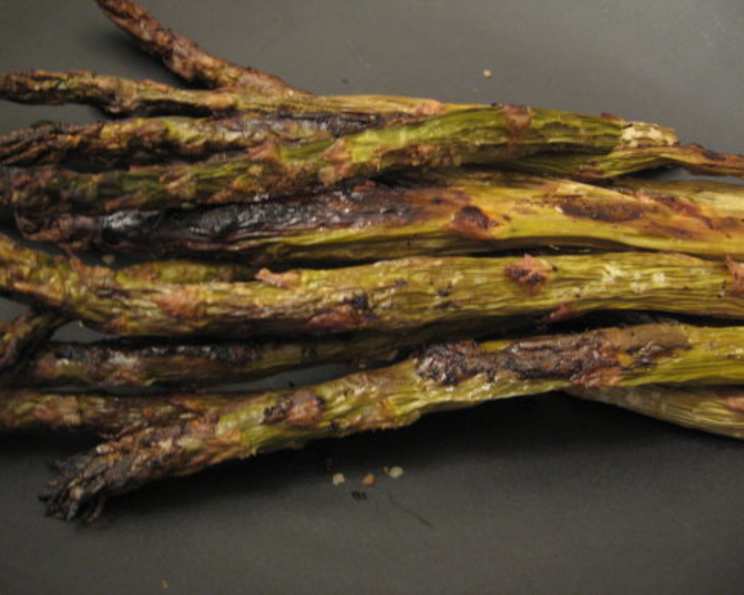
Caramelized Oven Asparagus: A Simple Side Dish with Gourmet Flavor
I’ll never forget the day this recipe was born. I had a bunch of asparagus wilting in the fridge, a clock ticking down to dinner, and a desire for something beyond steamed or grilled veggies. I tossed the asparagus with a pat of melted butter, a splash of lemon, and a generous pinch of sea salt, then slid it into a hot oven almost as an afterthought. The result? Magic. The asparagus emerged deeply caramelized, tender-crisp, and bursting with a savory-sweet flavor that even my vegetable-averse child devoured. This recipe is proof that sometimes, the best dishes are born from happy accidents.
Recipe Overview
- Prep Time: 5 minutes
- Cook Time: 45 minutes – 1 hour
- Total Time: 50 minutes – 1 hour 5 minutes
- Servings: 4
- Dietary Type: Gluten-Free
Ingredients
- 1 bunch asparagus
- 1 tablespoon butter, melted
- 1 tablespoon lemon juice
- ½ teaspoon coarse sea salt
Equipment Needed
- Ovenproof pan (ceramic or glass baking dish recommended)
Instructions
- Preheat your oven to 375°F (190°C). Ensure your oven rack is positioned in the middle of the oven for even cooking.
- Prepare the asparagus: Wash the asparagus thoroughly under cold running water. Snap off the tough ends of the stalks; they will naturally break where the tender part begins. Discard or save the tough ends for making vegetable stock.
- Arrange the asparagus: Spread the prepared asparagus evenly in the bottom of your chosen ovenproof pan. Make sure they are in a single layer to promote even caramelization. Avoid overcrowding the pan, as this can lead to steaming instead of roasting.
- Add the butter: In a small, microwave-safe bowl, melt the butter. Drizzle the melted butter evenly over the asparagus in the pan. The butter will help the asparagus caramelize and develop a rich, nutty flavor.
- Add the lemon juice: Sprinkle the lemon juice evenly over the asparagus and butter. The lemon juice adds a bright, acidic counterpoint to the richness of the butter and salt, enhancing the overall flavor.
- Season with salt: Sprinkle the coarse sea salt sparingly over the asparagus. Coarse sea salt provides a pleasant textural contrast and intensifies the other flavors. Be mindful of the amount; you can always add more salt after cooking, but you can’t take it away.
- Bake the asparagus: Place the uncovered pan in the preheated oven. Cook until the asparagus is starting to brown and become crisp, approximately 45 minutes to 1 hour. The exact cooking time will depend on the thickness of your asparagus and your oven’s calibration. Keep a close eye on it after 40 minutes to prevent burning. The tips should be nicely browned and slightly crisp, while the stalks should be tender-crisp.
Expert Tips & Tricks
- Asparagus Thickness Matters: Thicker asparagus spears will require a longer cooking time. If your asparagus is very thick, you may want to blanch it for a minute or two in boiling water before roasting to ensure it cooks through evenly.
- Don’t Overcrowd the Pan: Overcrowding will cause the asparagus to steam instead of caramelize. If necessary, use two pans.
- Butter Alternatives: For a dairy-free version, use olive oil or avocado oil instead of butter. The flavor will be slightly different, but still delicious.
- Lemon Zest Boost: Add a teaspoon of lemon zest along with the lemon juice to enhance the citrusy flavor.
- Garlic Infusion: Mince a clove of garlic and add it to the melted butter before drizzling it over the asparagus for an extra layer of flavor.
- Checking for Doneness: The asparagus is done when it is tender-crisp and lightly browned. Pierce a stalk with a fork to test for tenderness. It should be easy to pierce but still have some resistance.
- Rescuing Burnt Asparagus: If the tips start to burn before the stalks are cooked through, loosely tent the pan with aluminum foil for the remaining cooking time.
- Make-Ahead Tip: You can prep the asparagus (wash, trim) and mix the melted butter and lemon juice ahead of time. Store them separately in the refrigerator. When ready to cook, simply toss the asparagus with the butter mixture and salt, then bake as directed.
Serving & Storage Suggestions
Serve the caramelized oven asparagus immediately after cooking for the best flavor and texture. It makes a fantastic side dish for grilled chicken, fish, steak, or even vegetarian entrees like tofu or lentil loaf.
To store leftovers, let the asparagus cool completely before transferring it to an airtight container. Store in the refrigerator for up to 3 days. Reheat in a preheated oven at 350°F (175°C) for about 5-10 minutes, or until heated through. You can also reheat it in a skillet over medium heat. Keep in mind that reheating will soften the asparagus slightly.
Asparagus is best enjoyed fresh and is not ideal for freezing, as the texture will become mushy upon thawing.
Nutritional Information
| Nutrient | Amount per Serving | % Daily Value |
|---|---|---|
| Calories | 60 kcal | 3% |
| Total Fat | 5g | 6% |
| Saturated Fat | 3g | 15% |
| Cholesterol | 13mg | 4% |
| Sodium | 300mg | 13% |
| Total Carbohydrate | 3g | 1% |
| Dietary Fiber | 2g | 7% |
| Sugars | 1g | |
| Protein | 2g | 4% |
Nutritional information is an estimate and may vary based on specific ingredients and portion sizes.
Variations & Substitutions
- Parmesan Asparagus: Sprinkle grated Parmesan cheese over the asparagus during the last 10 minutes of cooking for a cheesy, savory variation.
- Balsamic Glaze: Drizzle balsamic glaze over the cooked asparagus for a touch of sweetness and acidity.
- Red Pepper Flakes: Add a pinch of red pepper flakes to the butter mixture for a hint of spice.
- Everything Bagel Seasoning: Sprinkle everything bagel seasoning over the asparagus before baking for added flavor and texture.
- Vegan Option: Substitute the butter with olive oil or another plant-based oil, and nutritional yeast can be added in the last 5 minutes for a “cheesy” flavor.
FAQs (Frequently Asked Questions)
Q: Can I use frozen asparagus for this recipe?
A: While fresh asparagus is preferred, you can use frozen asparagus in a pinch. Thaw it completely and pat it dry before roasting to remove excess moisture. Cooking time may be slightly shorter.
Q: My asparagus is browning too quickly. What should I do?
A: If the asparagus is browning too quickly, loosely tent the pan with aluminum foil for the remaining cooking time to prevent burning.
Q: Can I use salted butter instead of unsalted?
A: Yes, but reduce the amount of coarse sea salt you add to compensate. Taste and adjust as needed.
Q: How do I know when the asparagus is done?
A: The asparagus is done when it is tender-crisp and lightly browned. Pierce a stalk with a fork to test for tenderness. It should be easy to pierce but still have some resistance.
Q: Can I add other vegetables to this dish?
A: Yes, you can add other vegetables that roast well, such as bell peppers, onions, or cherry tomatoes. Adjust the cooking time accordingly.
Final Thoughts
This caramelized oven asparagus is a simple yet elegant side dish that is sure to impress. Its ease of preparation and delicious flavor make it a weeknight staple, while its beautiful presentation makes it perfect for special occasions. I encourage you to try this recipe and experience the magic of caramelized vegetables for yourself. Don’t be afraid to experiment with different seasonings and variations to create your own signature version. And most importantly, enjoy the process of cooking and sharing good food with the ones you love! Pair it with grilled salmon and a crisp Sauvignon Blanc for a truly unforgettable meal.