
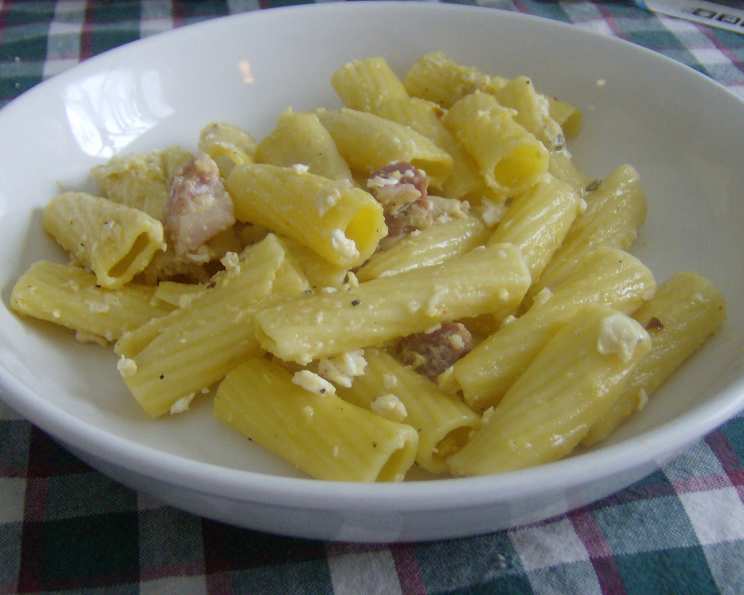
The Ultimate Carbonara: A Culinary Classic by Rachael Ray
The first time I tasted truly exceptional carbonara, I was a wide-eyed student backpacking through Italy. Forget the tourist traps – I stumbled into a tiny trattoria in Rome, drawn by the aroma of garlic and something rich and smoky. The nonna behind the counter, with a knowing smile, slid a plate piled high with glistening pasta towards me. It was utter perfection: creamy without being heavy, perfectly balanced between salty and savory, and coated in a generous dusting of sharp cheese. That simple, soulful dish ignited my passion for Italian cuisine and forever changed my understanding of what carbonara could be. This recipe, inspired by that memory, brings that authentic taste to your own kitchen.
Recipe Overview
- Prep Time: 5 minutes
- Cook Time: 15 minutes
- Total Time: 20 minutes
- Servings: 4-6
- Dietary Type: Not Gluten-Free
Ingredients
- 1 lb spaghetti or 1 lb rigatoni pasta
- 1/4 cup extra virgin olive oil (enough to coat bottom of pan)
- 1/4 lb pancetta, chopped (Italian bacon)
- 1 teaspoon red pepper flakes
- 5-6 cloves garlic, chopped
- 1/2 cup dry white wine
- 2 large egg yolks
- Romano cheese, freshly grated
- Fresh parsley, for garnish
Equipment Needed
- Large pot
- Large skillet
- Mixing bowl
- Whisk
- Cheese grater
Instructions
-
Begin by bringing a large pot of salted water to a rolling boil. Add the spaghetti or rigatoni and cook according to package directions until al dente. Reserve about 1/2 cup of the pasta cooking water before draining.
-
While the pasta is cooking, heat a large skillet over medium heat. Add the extra virgin olive oil, ensuring it coats the bottom of the pan.
-
Add the chopped pancetta to the skillet and cook, stirring occasionally, until it is browned and crispy, about 2 minutes. Be careful not to burn the pancetta.
-
Add the red pepper flakes and chopped garlic to the skillet with the pancetta. Cook for another 2-3 minutes, stirring frequently, until the garlic is fragrant but not browned.
-
Pour in the dry white wine to deglaze the pan, scraping up any browned bits from the bottom. This adds depth of flavor to the sauce. Let the wine simmer for about a minute, allowing it to reduce slightly.
-
In a separate bowl, whisk together the egg yolks. Gradually whisk in about 1/2 cup of the hot pasta cooking water. This process, known as tempering, gently warms the eggs and prevents them from scrambling when added to the hot pasta.
-
Once the pasta is cooked al dente, drain it well. Immediately add the drained pasta directly to the skillet with the pancetta and oil mixture.
-
Pour the egg yolk mixture over the hot pasta. Toss rapidly and continuously to coat the pasta evenly, ensuring that the egg mixture doesn’t cook too quickly and scramble. The residual heat from the pasta will gently cook the eggs, creating a creamy sauce.
-
Remove the pan from the heat. Add a generous handful of freshly grated Romano cheese, lots of freshly ground black pepper, and a pinch of salt.
-
Continue to toss and turn the pasta until it soaks up the egg mixture and the sauce thickens, about 1 to 2 minutes. The heat from the pasta will continue to cook the egg yolks, creating a rich and luscious sauce. Be careful not to overcook the eggs, as they can become rubbery.
-
Garnish with fresh parsley and extra grated Romano cheese before serving.
Expert Tips & Tricks
- Use High-Quality Ingredients: The key to exceptional carbonara is using the best possible ingredients. Opt for high-quality pancetta, fresh eggs, and real Romano cheese (not Parmesan, which has a different flavor profile).
- Don’t Overcook the Pasta: Al dente pasta is crucial for the perfect texture. Overcooked pasta will become mushy and won’t hold the sauce well.
- Temper the Eggs Carefully: Tempering the eggs prevents them from scrambling. Whisking in the hot pasta water gradually warms the eggs, allowing them to blend smoothly with the pasta.
- Work Quickly: Once you add the egg mixture to the pasta, work quickly to toss and coat the pasta evenly. This ensures that the sauce emulsifies properly and doesn’t become lumpy.
- Adjust Seasoning to Taste: Taste the carbonara before serving and adjust the seasoning as needed. You may need to add more salt, pepper, or cheese to achieve the perfect balance of flavors.
Serving & Storage Suggestions
Serve the carbonara immediately after preparation, as the sauce can thicken over time. Garnish with fresh parsley and extra grated Romano cheese. This dish pairs well with a crisp white wine, such as Pinot Grigio or Sauvignon Blanc.
Leftover carbonara can be stored in an airtight container in the refrigerator for up to 2 days. Reheat gently in a skillet over low heat, adding a splash of milk or cream to loosen the sauce if necessary. Avoid microwaving, as this can make the eggs rubbery. It is generally not recommended to freeze carbonara, as the sauce can separate upon thawing.
Nutritional Information
| Nutrient | Amount per Serving | % Daily Value |
|---|---|---|
| Calories | 601 kcal | N/A |
| Calories from Fat | 158 g | 26% |
| Total Fat | 17.6 g | 27% |
| Saturated Fat | 3 g | 15% |
| Cholesterol | 104.9 mg | 34% |
| Sodium | 12.3 mg | 0% |
| Total Carbohydrate | 87.7 g | 29% |
| Dietary Fiber | 3.9 g | 15% |
| Sugars | 2.4 g | 9% |
| Protein | 16.5 g | 33% |
Variations & Substitutions
- Guanciale instead of Pancetta: For a more authentic flavor, use guanciale (cured pork cheek) instead of pancetta.
- Gluten-Free Carbonara: Use gluten-free pasta for a gluten-free version.
- Vegetarian Carbonara: While traditional carbonara relies on pork, a vegetarian option could incorporate smoked tofu or mushrooms for a similar umami flavor. Add these with the garlic and red pepper flakes.
- Spicy Carbonara: Increase the amount of red pepper flakes for a spicier kick.
- Add Vegetables: Incorporate vegetables such as peas, asparagus, or mushrooms for added flavor and nutrition. Add them to the skillet with the garlic.
FAQs (Frequently Asked Questions)
Q: Can I use Parmesan cheese instead of Romano cheese?
A: While Parmesan can be used, Romano cheese has a sharper, saltier flavor that is more traditional in carbonara. The taste will differ, but it can be a suitable substitute if Romano is unavailable.
Q: Why is it important to reserve pasta water?
A: The starchy pasta water helps to create a creamy sauce and helps the egg mixture adhere to the pasta. It also adds a slight salinity that enhances the overall flavor.
Q: How do I prevent the eggs from scrambling?
A: Tempering the eggs with hot pasta water is crucial. Also, remove the pan from the heat before adding the egg mixture and toss the pasta rapidly to prevent overcooking.
Q: Can I make carbonara ahead of time?
A: Carbonara is best served immediately, as the sauce can thicken over time. If you must make it ahead, reheat it gently over low heat, adding a splash of milk or cream to loosen the sauce.
Q: What is the difference between carbonara and Alfredo sauce?
A: Carbonara is made with eggs, cheese, pancetta, and black pepper, while Alfredo sauce is made with butter, cream, and Parmesan cheese. They have distinct flavors and textures.
Final Thoughts
Now that you’re armed with this authentic recipe, I encourage you to gather your ingredients and embark on your own carbonara adventure! Don’t be intimidated – it’s a surprisingly simple dish to master, and the results are truly rewarding. Taste as you go, adjust the seasoning to your liking, and don’t be afraid to experiment with variations. Whether you’re recreating a cherished memory or creating a new one, this carbonara is sure to impress. Share your culinary creations with friends and family and let the flavors of Italy transport you to a cozy Roman trattoria. Buon appetito!