
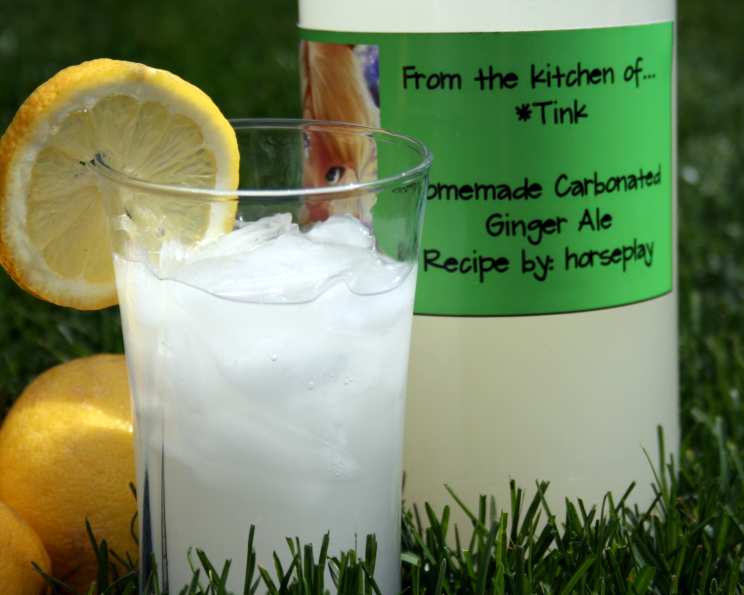
Carbonate Your Own Ginger Ale: A Homemade Delight
My grandmother, a woman who believed in the magic of simple pleasures, always had a batch of something bubbly brewing in her pantry. It wasn’t just ginger ale, but that’s the one I remember most vividly. The tangy, spicy aroma would waft through the house, a fragrant promise of a refreshing treat on a hot summer day. More than the taste, it was the anticipation, the careful watch over the bottle, and the triumphant “pop” when it was finally ready that made it so special. I’ve recreated that experience here, and trust me, it’s easier than you think!
Recipe Overview
- Prep Time: 20 minutes
- Cook Time: 24-48 hours fermentation
- Total Time: 24hrs 20mins – 48hrs 20mins
- Servings: 4-6 glasses
- Yields: 4-6 glasses
- Dietary Type: Vegan
Ingredients
- 1 cup table sugar (cane sugar, or sucrose)
- 1 1/2 – 2 tablespoons grated fresh gingerroot
- 1 lemon, juice of (optional)
- 1/4 teaspoon fresh granular baker’s yeast
- Cold fresh pure water
Equipment Needed
- Clean 2-liter plastic soft drink bottle with cap (do not use glass)
- Grater (preferably with fine “cutting” teeth)
- Funnel
- Pyrex measuring cup or similar
- Strainer (optional)
Instructions
-
Using the funnel, carefully pour the sugar into the clean 2-liter plastic bottle. Ensure that no sugar is spilled around the mouth of the bottle, as it may prevent a good seal. It’s crucial to use a plastic bottle designed for carbonated beverages; glass bottles can explode under the pressure.
-
Add the baker’s yeast to the bottle, again using the funnel to avoid any spillage. The yeast is the engine of this whole process, so make sure yours is fresh and active. If you’re unsure of its potency, you can test it by adding a small amount to warm water with a pinch of sugar. If it foams up within a few minutes, it’s good to go.
-
Now, with the funnel still in place, thoroughly shake the bottle to mix the yeast grains with the sugar granules. This ensures the yeast has access to the sugar it needs to kickstart the fermentation process.
-
Place the grated ginger into a Pyrex measuring cup or similar heat-safe container. The amount of ginger will influence the spiciness of your ginger ale, so feel free to adjust the amount to your preference.
-
Juice the lemon, if using. The lemon juice is optional, giving a little tartness to the ginger ale. If you want to experiment, try making a batch with and without lemon to see which you prefer.
-
Add the lemon juice (if using) to the grated ginger in the measuring cup. Stir to form a slurry. This concentrated mixture will add a burst of flavor to your ginger ale.
-
Carefully add the ginger-lemon slurry to the bottle. It may stick in the funnel. Don’t worry; the next step will wash it into the bottle.
-
Rinse the measuring cup with fresh clean water, and pour the water into the bottle, trying to wash any particles sticking to the funnel into the bottle. This ensures you get every last bit of flavor and yeast into your brew.
-
Fill the bottle to the neck with fresh cool clean water, leaving about an inch of head space. This headspace is crucial for the carbon dioxide to accumulate. Securely screw the cap down to seal the bottle tightly.
-
Invert the bottle repeatedly to thoroughly dissolve the sugar. You want to ensure that the sugar is fully dissolved to allow for even fermentation.
-
Place the bottle in a warm location for 24 to 48 hours. The ideal temperature is around 70-75°F (21-24°C). Avoid direct sunlight, as this can negatively impact the yeast.
-
Test to see if carbonation is complete by squeezing the bottle forcefully with your thumb. If it dents in, it is not ready. The bottle should feel hard to the touch, indicating sufficient pressure from the carbon dioxide.
-
Once the bottle feels hard to a forceful squeeze, usually only 24-48 hours, place it in the refrigerator. Before opening, refrigerate at least overnight to thoroughly chill. This helps the carbon dioxide dissolve back into the liquid, preventing a messy eruption.
-
Crack the lid of the thoroughly chilled ginger ale just a little to release the pressure slowly. You do not want a ginger ale fountain! Open the bottle gradually, allowing the pressure to release in stages.
-
Do not leave the finished ginger ale in a warm place any longer than the time it takes for the bottle to feel hard. Leaving it at room temperature longer than two days, especially in the summer when the temperature is high, can generate enough pressure to explode the bottle. Once it is thoroughly chilled, there is little danger of explosion.
-
Filter the ginger ale through a strainer if you find floating pieces of ginger objectionable. These are found in the first glass or two poured, and, since most of the ginger sinks to the bottom, the last glass or so may require filtering too.
-
Rinse the bottle out immediately after serving the last of the batch. This prevents any residual yeast or sugar from drying and becoming difficult to clean.
Expert Tips & Tricks
- Yeast Activation: If you are worried about the yeast being active, mix it with a teaspoon of sugar in a small amount of warm water. If it foams after 5-10 minutes, it’s ready.
- Ginger Intensity: For a spicier ginger ale, use the full 2 tablespoons of grated ginger, or even add a small piece of finely chopped fresh chili.
- Sweetness Level: Adjust the amount of sugar to suit your taste. Start with 1 cup, but feel free to reduce it slightly if you prefer a less sweet drink.
- Preventing Explosions: The most important thing is to monitor the bottle’s pressure. Squeezing it regularly will give you a good indication of how much carbonation has built up. Refrigerating the ginger ale as soon as it’s sufficiently carbonated is key.
- Using Extracts: While fresh ginger is best, you can substitute with 1-2 teaspoons of ginger extract in a pinch. Add it to the bottle along with the sugar and yeast.
Serving & Storage Suggestions
Serve your homemade ginger ale chilled, either on its own or as a mixer for cocktails. Garnish with a slice of lemon or a sprig of mint for an elegant touch. Store the unopened bottle in the refrigerator for up to a week. Once opened, it’s best to consume it within a day or two, as it will gradually lose its carbonation. Do not attempt to freeze the ginger ale, as it will lose its fizz and potentially damage the bottle.
Nutritional Information
Note: Nutritional information is an estimate and may vary based on specific ingredients and measurements.
| Nutrient | Amount per Serving | % Daily Value |
|---|---|---|
| Calories | 200 kcal | 10% |
| Total Fat | 0g | 0% |
| Saturated Fat | 0g | 0% |
| Cholesterol | 0mg | 0% |
| Sodium | 0mg | 0% |
| Total Carbohydrate | 50g | 17% |
| Dietary Fiber | 0g | 0% |
| Sugars | 50g | N/A |
| Protein | 0g | 0% |
Variations & Substitutions
- Herbal Infusion: Add a few sprigs of rosemary or thyme to the bottle along with the ginger for an herbaceous twist.
- Spiced Ginger Ale: Include a pinch of ground cinnamon, cloves, or cardamom for a warming, spiced variation.
- Citrus Blend: Experiment with different citrus fruits, such as orange, grapefruit, or lime, in addition to or instead of lemon.
- Honey Sweetened: Substitute honey for sugar for a more nuanced sweetness and added health benefits.
- Low-Sugar: Use a sugar substitute, but be aware that it may affect the fermentation process and the final carbonation. You may need to experiment to find the right amount.
FAQs (Frequently Asked Questions)
Q: Why is it important to use a plastic bottle instead of a glass one?
A: The fermentation process creates pressure from carbon dioxide. Plastic bottles are designed to expand slightly, whereas glass bottles can shatter or explode under pressure, posing a safety risk.
Q: How do I know if my yeast is still active?
A: Mix a small amount of yeast with warm water and a pinch of sugar. If it foams up within 5-10 minutes, it’s active and ready to use.
Q: My ginger ale isn’t carbonating. What could be the problem?
A: Several factors could be at play. Ensure your yeast is fresh, the bottle is tightly sealed, and the temperature is warm enough for fermentation. Too little sugar can also inhibit carbonation.
Q: Can I use powdered ginger instead of fresh?
A: While fresh ginger is preferred for its flavor, you can use about 1 teaspoon of powdered ginger as a substitute. However, the flavor will be less intense and complex.
Q: How long will the ginger ale stay fizzy once I open it?
A: Homemade ginger ale will lose its carbonation fairly quickly after opening. For best results, consume it within a day or two.
Final Thoughts
There’s something incredibly rewarding about creating your own homemade soda, especially when it’s as simple and satisfying as this ginger ale. It’s a fun, experimental project that yields a delicious and refreshing drink. Don’t be afraid to tweak the recipe to your liking – that’s the beauty of making it yourself! Share your creations with friends and family, and let them experience the magic of homemade bubbles. Cheers to your ginger ale adventure!