
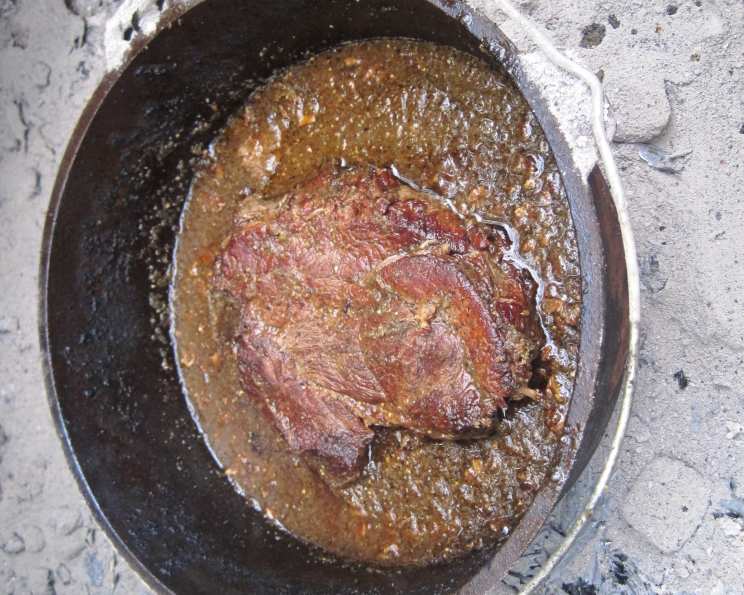
Carne En Su Jugo: A Taste of Guadalajara in Every Bite
The aroma alone takes me back to the sun-drenched kitchen of my abuela, where simmering pots were a constant symphony of culinary delight. I remember sneaking tastes of the rich, savory broth of carne en su jugo straight from the pot, the tender beef melting on my tongue. This wasn’t just food; it was a warm hug, a story told through flavors, and a treasured family tradition passed down through generations. Each spoonful was a reminder of love, laughter, and the unbreakable bonds of family.
Recipe Overview
- Prep Time: 20 minutes
- Cook Time: 1 hour (stovetop) / 6-8 hours (crockpot)
- Total Time: 1 hour 20 minutes (stovetop) / 6-8 hours 20 minutes (crockpot)
- Servings: 10
- Yield: About 12 cups
- Dietary Type: Gluten-Free
Ingredients
- 2 lbs chuck roast
- 10 slices bacon, diced
- 1 large onion, diced
- 5 cloves garlic, minced
- 10 tomatillos, hulled and chopped
- 1 cup cilantro, de-stemmed
- 4 limes, quartered into wedges
- 2 teaspoons chicken bouillon
- Optional (for crockpot): 2 cups water or beef broth
Equipment Needed
- Large frying pan or Dutch oven
- Blender
- Knife
- Cutting board
- Crockpot (optional)
Instructions
-
In a large frying pan or Dutch oven, cook the 10 slices of diced bacon over medium heat until they reach a nice crispy texture. As the bacon renders its flavorful fat, the tantalizing aroma will fill your kitchen.
-
While the bacon is frying, prepare the vibrant green sauce. In a blender, combine the diced onion, minced garlic, chopped tomatillos, chicken bouillon, and de-stemmed cilantro. Squeeze the juice from the lime wedges into the blender. Blend the ingredients thoroughly until everything forms a frothy, uniform consistency. This vibrant mixture will be the heart of your carne en su jugo.
-
Remove the crispy bacon from the pan, leaving the rendered bacon fat behind. This flavorful fat will be used to sear the chuck roast.
-
Sear the 2 lbs of chuck roast on all sides in the hot bacon fat over medium-high heat. Ensure that every raw spot is well-browned. This crucial step seals in the juices inside the meat, resulting in a more tender and flavorful stew. Don’t rush this process; a good sear is key.
-
After browning the meat, return the crispy bacon to the pan with the seared roast. Pour the vibrant green sauce from the blender over the roast and bacon. Alternatively, you can transfer everything to a crockpot at this point.
-
Cover the pan or Dutch oven and allow the carne en su jugo to simmer on the stove for 1 hour over low heat. If using a crockpot, set it to low for 6-8 hours. If using a crockpot, add 2 cups of water or beef broth to ensure there’s enough liquid for slow cooking. The long, slow cooking process will transform the chuck roast into incredibly tender and flavorful meat.
-
Once the meat is tender and easily shreds with a fork, it’s ready to serve.
Expert Tips & Tricks
- Choose the right cut: A well-marbled chuck roast is ideal for carne en su jugo because it becomes incredibly tender and flavorful during the long cooking process.
- Don’t skip the searing: Searing the meat before simmering or slow cooking is essential for developing a rich, complex flavor and sealing in the juices.
- Adjust the spice level: If you prefer a spicier dish, add a jalapeño or serrano pepper to the blender along with the other ingredients for the sauce. Remove the seeds for less heat.
- Make it ahead: Carne en su jugo is even better the next day after the flavors have had a chance to meld together. Make it a day ahead and store it in the refrigerator. Reheat gently before serving.
- Thicken the sauce (optional): If you prefer a thicker sauce, you can remove some of the meat and vegetables from the pot and blend them with a little of the cooking liquid. Return the blended mixture to the pot and stir to combine.
- Bacon Variation: Peppered bacon is indeed a great add-in but you can change it up and use chorizo instead!
Serving & Storage Suggestions
Serve carne en su jugo hot over a bed of black or pinto beans. Garnish with extra cilantro and a squeeze of fresh lime juice. Warm, freshly grilled white corn tortillas are the perfect accompaniment for scooping up the tender meat and flavorful broth. Leftovers can be stored in an airtight container in the refrigerator for up to 3-4 days. Reheat gently on the stovetop or in the microwave. For longer storage, carne en su jugo can be frozen for up to 2-3 months. Thaw completely in the refrigerator before reheating.
Nutritional Information
| Nutrient | Amount per Serving | % Daily Value |
|---|---|---|
| Calories | 191 kcal | N/A |
| Calories from Fat | 85 kcal | N/A |
| Total Fat | 9.5 g | 14% |
| Saturated Fat | 3.7 g | 18% |
| Cholesterol | 65.3 mg | 21% |
| Sodium | 146.6 mg | 6% |
| Total Carbohydrate | 7.1 g | 2% |
| Dietary Fiber | 1.7 g | 6% |
| Sugars | 2.5 g | N/A |
| Protein | 20.9 g | 41% |
Note: Nutritional information is an estimate and may vary based on specific ingredients and preparation methods.
Variations & Substitutions
- Spicy Carne en su Jugo: Add 1-2 chopped serrano peppers (with seeds removed for less heat) to the blender when making the tomatillo sauce.
- Vegetarian/Vegan Option: While not traditional, you can adapt this recipe using hearty mushrooms or jackfruit in place of the beef. Use vegetable broth instead of beef broth and omit the bacon or substitute with smoked paprika for a smoky flavor.
- Use Different Cuts of Beef: While chuck roast is preferred, other cuts like brisket or short ribs can also be used, though cooking times may need adjustment.
- Add Potatoes or Vegetables: Incorporate diced potatoes, carrots, or zucchini during the last hour of cooking for a heartier stew.
FAQs (Frequently Asked Questions)
Q: Can I make this recipe without a blender?
A: While a blender creates the smoothest sauce, you can finely chop the ingredients for the sauce instead. The texture will be different, but the flavor will still be delicious.
Q: Can I use dried cilantro instead of fresh?
A: Fresh cilantro is highly recommended for its vibrant flavor. If you must substitute, use 1 teaspoon of dried cilantro for every 1/4 cup of fresh cilantro.
Q: How do I know when the meat is done?
A: The meat is done when it is easily shredded with a fork. If it’s still tough, continue cooking for a longer period.
Q: Can I use canned tomatillos?
A: Fresh tomatillos are preferred for their slightly tart and bright flavor. If using canned tomatillos, be sure to drain them well and reduce the amount of liquid in the recipe accordingly.
Q: What if I don’t have chicken bouillon?
A: While the recipe calls for chicken bouillon, you can substitute it with beef bouillon in a pinch. The flavor will be slightly different, but still delicious. You could also add a pinch of salt for seasoning.
Final Thoughts
I encourage you to try this recipe for carne en su jugo and experience the authentic flavors of Guadalajara. It’s a labor of love, but the rich, savory results are well worth the effort. Feel free to adjust the recipe to your liking, and don’t be afraid to experiment with different variations. Serve it with your favorite sides, share it with your loved ones, and enjoy the warmth and comfort of this traditional Mexican stew. I would love to hear how your carne en su jugo turns out. Buen provecho!