
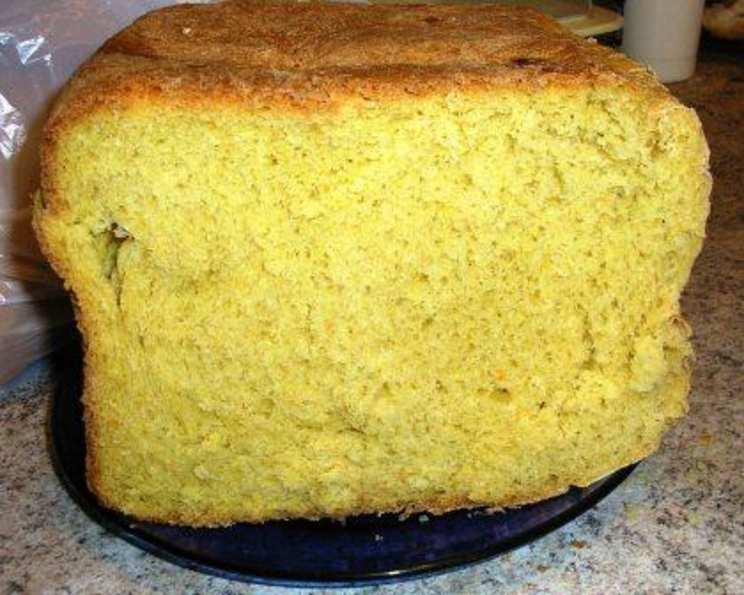
Carrot Bread: A Slice of Sunshine from Your Bread Machine
I still remember the first time I tasted carrot bread. It wasn’t at some trendy bakery or quaint café, but in my grandmother’s cozy kitchen. The aroma of warm spices and freshly baked bread filled the air, a comforting scent that immediately wrapped you in a hug. The bread itself was a vibrant orange hue, studded with flecks of carrot, and had a subtly sweet flavor that was simply irresistible. Grandma always served it with a generous dollop of cream cheese, and it was pure bliss. Now, I’ve adapted that memory into this easy bread machine recipe!
Recipe Overview
- Prep Time: 15 minutes
- Cook Time: 3 hours 10 minutes
- Total Time: 3 hours 25 minutes
- Yields: 1 loaf
- Serves: 12
- Dietary Type: Vegetarian
Ingredients
- 1 cup water
- 1 cup grated carrot
- 2 tablespoons margarine
- 2 tablespoons sugar
- 1/2 tablespoon salt
- 4 cups bread flour
- 2 teaspoons active dry yeast
Equipment Needed
- Bread machine
- Blender or food processor
Instructions
- First, prepare the carrot juice: Place the water and grated carrot into a blender or food processor. Blend until you achieve a smooth, pulpy carrot juice. Don’t worry if it’s not completely smooth – small bits of carrot will add texture to the final bread.
- Now, it’s time to load up your bread machine pan. Combine all the ingredients, including the carrot juice, in the order listed: water/carrot mixture, margarine, sugar, salt, bread flour, and finally, the active dry yeast. Always refer to your bread machine’s manual for the recommended order of adding ingredients. This is crucial for optimal rising.
- Select the “White Bread” setting on your bread machine. This setting usually provides a good balance of kneading, rising, and baking for a standard loaf. Press “Start” to begin the bread-making process.
- Important Dough Check: After about 5 minutes of kneading, take a peek at the dough’s consistency. This is where bread machine baking becomes a little more hands-on.
- If the dough appears too wet (sticky and clinging to the sides of the pan), add 1 tablespoon of bread flour at a time. Allow the machine to knead for a minute or two after each addition to fully incorporate the flour before adding more.
- If the dough appears too dry (crumbly and not forming a cohesive ball), add 1 tablespoon of water at a time. Again, let the machine knead for a minute or two after each addition.
- The ideal dough consistency should be a smooth, round ball that is slightly tacky but doesn’t stick excessively to your fingers or the pan.
- Allow the bread machine to complete its cycle. This will typically take around 3 hours and 10 minutes, depending on your machine’s settings.
- Once the baking cycle is complete, carefully remove the bread from the bread machine pan. Use oven mitts, as the pan will be hot!
- Place the loaf on a wire rack to cool completely before slicing and serving. This prevents the bread from becoming soggy.
Expert Tips & Tricks
- Carrot Prep is Key: Use freshly grated carrots, if possible. Pre-shredded carrots tend to be drier and may affect the bread’s moisture content.
- Yeast Matters: Make sure your active dry yeast is fresh. Expired yeast won’t provide the necessary lift, resulting in a dense loaf. To test your yeast, dissolve a teaspoon of yeast and a teaspoon of sugar in 1/4 cup of warm water. If it foams up within 5-10 minutes, it’s good to go.
- Sweetness Adjustment: If you prefer a sweeter bread, you can increase the sugar by another tablespoon. However, be mindful of adding too much sugar, as it can interfere with the yeast’s activity.
- Spice It Up: For a more complex flavor, consider adding a pinch of ground cinnamon, nutmeg, or ginger to the dough. A quarter teaspoon of each will add a warm, inviting aroma and taste.
- Nuts and Seeds: Toasting the nuts before adding them brings out their flavor and adds a delightful crunch.
- Dough Troubleshooting: If your bread consistently collapses in the center, it could be due to too much liquid or too much yeast. Reduce the liquid by a tablespoon or two, or decrease the yeast slightly.
Serving & Storage Suggestions
This carrot bread is delicious served warm or at room temperature. It pairs perfectly with a smear of cream cheese, a dollop of butter, or a drizzle of honey. It’s also a fantastic base for sandwiches or toast.
- Room Temperature: Store cooled bread in an airtight container or bread bag at room temperature for up to 2 days.
- Refrigerator: For longer storage, wrap the bread tightly in plastic wrap and store it in the refrigerator for up to a week.
- Freezer: To freeze, slice the bread and wrap individual slices or the entire loaf tightly in plastic wrap, then place in a freezer bag. It can be stored in the freezer for up to 2 months. To thaw, simply remove the desired amount from the freezer and let it thaw at room temperature. You can also toast frozen slices directly.
- Reheating: To reheat, wrap the bread in foil and warm it in a preheated oven at 350°F (175°C) for about 10-15 minutes, or until heated through. You can also microwave individual slices for a few seconds.
Nutritional Information
Please note that these values are estimates and may vary based on specific ingredients and portion sizes.
| Nutrient | Amount per Serving | % Daily Value |
|---|---|---|
| Calories | 183 kcal | N/A |
| Total Fat | 2.4 g | 3% |
| Saturated Fat | 0.5 g | 2% |
| Cholesterol | 0 mg | 0% |
| Sodium | 322 mg | 13% |
| Total Carbohydrate | 35.2 g | 11% |
| Dietary Fiber | 1.6 g | 6% |
| Sugars | 2.7 g | N/A |
| Protein | 4.7 g | 9% |
Variations & Substitutions
- Whole Wheat Carrot Bread: Replace up to half of the bread flour with whole wheat flour for a nuttier, more wholesome flavor. You may need to add a bit more liquid, as whole wheat flour absorbs more moisture.
- Raisin Carrot Bread: Add 1/2 cup of raisins or chopped dried cranberries to the dough for extra sweetness and texture.
- Nutty Carrot Bread: Incorporate 1/4 cup of chopped walnuts or pecans into the dough for added flavor and crunch.
- Vegan Carrot Bread: Ensure your margarine is vegan-friendly. Many brands offer plant-based alternatives.
- Gluten-Free Option: While this recipe is specifically designed for bread flour, you can experiment with gluten-free bread flour blends. However, gluten-free baking often requires adjustments to the liquid content and the addition of binding agents like xanthan gum. Refer to your gluten-free flour blend’s instructions for best results.
FAQs (Frequently Asked Questions)
Q: Can I use baby carrots instead of grating carrots myself?
A: Yes, you can use baby carrots. Just pulse them in a food processor until finely chopped or grated.
Q: My bread came out dense. What did I do wrong?
A: A dense loaf is often caused by using expired yeast, not using enough liquid, or adding too much flour. Make sure your yeast is fresh and carefully measure your ingredients.
Q: Can I add spices to this recipe?
A: Absolutely! A pinch of cinnamon, nutmeg, or ginger adds a lovely warm flavor.
Q: My bread machine doesn’t have a “White Bread” setting. What should I use instead?
A: Look for a setting that’s similar in duration and kneading time. A “Basic Bread” or “Normal Bread” setting should work.
Q: How do I prevent the top of my bread from getting too dark?
A: Some bread machines have a crust control setting that allows you to adjust the browning level. Alternatively, you can tent the top of the bread with foil during the last 15-20 minutes of baking.
Final Thoughts
This bread machine carrot bread is more than just a recipe; it’s a warm hug in loaf form. The simplicity of using a bread machine makes it accessible to bakers of all skill levels, and the delightful flavor and vibrant color are sure to impress. I encourage you to try this recipe and experience the joy of homemade bread. Don’t be afraid to experiment with variations and make it your own. And, most importantly, share it with loved ones and spread the warmth and comfort that a good slice of carrot bread can bring.