
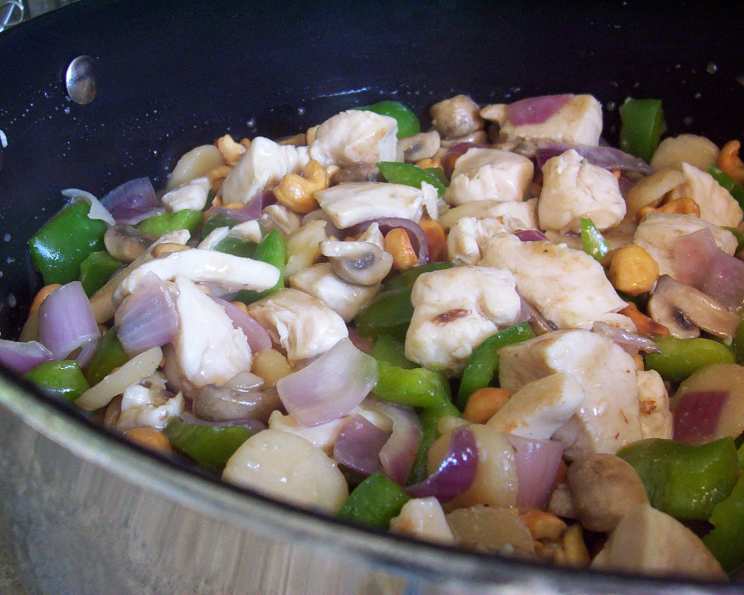
Cashew Wok Chicken: A Taste of Home, Better Than Takeout
The scent of soy sauce, ginger, and a hint of red pepper flakes always transports me back to my college days. Late-night study sessions fueled by questionable takeout were a regular occurrence, and cashew chicken was my unwavering go-to. But after one particularly disappointing experience – bland chicken, soggy vegetables, and a scant handful of cashews – I knew I could do better. I started experimenting in my tiny apartment kitchen, determined to create a version that was fresh, flavorful, and packed with crunchy goodness. And I did! Ever since, I’ve never ordered it out. This is so much better than any chicken cashew I have tried at a restaurant.
Recipe Overview
- Prep Time: 20 minutes
- Cook Time: 20 minutes
- Total Time: 40 minutes
- Servings: 6
- Dietary Type: Adaptable (see variations)
Ingredients
- 1/2 cup chicken broth
- 1 tablespoon cornstarch
- 3 tablespoons soy sauce
- 1/2 teaspoon ground ginger
- 1/2 teaspoon red pepper sauce
- 2 tablespoons vegetable oil
- 1 lb boneless skinless chicken breast, cut into 1-inch pieces
- 1 large green bell pepper, cut into 1-inch pieces
- 1 medium red onion, cut into 1-inch pieces
- 1 (8 ounce) can sliced water chestnuts, drained
- 1 (4 ounce) can mushrooms, drained
- 1 cup dry-roasted cashews
- 2 green onions, sliced
Equipment Needed
- Wok or large skillet
- Mixing bowl
- Measuring cups and spoons
- Cutting board
- Knife
Instructions
- Begin by preparing the sauce. In a mixing bowl, whisk together the chicken broth, cornstarch, soy sauce, ground ginger, and red pepper sauce. Ensure there are no lumps of cornstarch remaining, as these will create unwanted globs in your sauce later. Set this mixture aside.
- Place your wok or large skillet over medium-high heat. The pan needs to be hot before adding the oil and chicken; otherwise, the chicken may stick to the bottom.
- Add 1 tablespoon of the vegetable oil to the hot wok or skillet, swirling to coat the entire surface.
- Add the chicken pieces in a single layer, ensuring not to overcrowd the pan. Stir-fry the chicken until it is cooked through and no longer pink, approximately 5-7 minutes. Overcrowding the pan will cause the chicken to steam instead of stir-fry, resulting in a less desirable texture.
- Once the chicken is cooked, remove it from the wok or skillet and set it aside. Keep it warm by covering it loosely with foil or placing it in a low oven (around 200°F or 93°C).
- Add the remaining 1 tablespoon of vegetable oil to the wok or skillet.
- Add the green bell pepper, red onion, water chestnuts, and mushrooms to the wok or skillet. Stir-fry these vegetables for 4 to 5 minutes, or until they are tender-crisp. It is important to keep stirring the vegetables to prevent them from burning and to ensure even cooking.
- Pour the prepared cornstarch mixture over the vegetables in the wok or skillet.
- Cook and stir continuously for about 1 minute, or until the sauce thickens and becomes glossy. Be sure to scrape the bottom of the wok or skillet to prevent the sauce from sticking and burning.
- Return the cooked chicken to the wok or skillet. Add the cashews and stir everything together to coat the chicken and cashews evenly with the sauce.
- Garnish with the sliced green onions.
- Serve immediately with rice.
Expert Tips & Tricks
- Velveting the chicken: For incredibly tender chicken, try velveting it before stir-frying. Marinate the chicken pieces in a mixture of cornstarch, egg white, soy sauce, and a touch of oil for about 30 minutes. This creates a protective coating that helps the chicken retain moisture during cooking.
- Toasting the cashews: For an even deeper nutty flavor, lightly toast the cashews in a dry skillet or in the oven before adding them to the dish. Watch them carefully to prevent burning.
- Spice it up: Adjust the amount of red pepper sauce to control the heat level. You can also add a pinch of white pepper for a more complex flavor.
- Prepping ahead: Chop the vegetables and prepare the sauce in advance to save time during cooking. Store them separately in the refrigerator until ready to use.
- Wok Hei: “Wok Hei” is the elusive smoky flavor imparted by a well-seasoned wok and high heat. While difficult to replicate at home, ensure your wok is very hot before adding any ingredients to get a similar effect.
Serving & Storage Suggestions
Serve your Cashew Wok Chicken hot, preferably over a bed of steamed rice. Brown rice or quinoa also makes a healthy and delicious alternative. A side of stir-fried greens like bok choy or gai lan would complement the dish perfectly.
Leftovers should be stored in an airtight container in the refrigerator within two hours of cooking. They will keep for up to 3-4 days. To reheat, you can use a microwave or a skillet over medium heat. Add a splash of water or chicken broth to prevent the chicken from drying out. Freezing is not recommended, as the sauce can become watery and the vegetables may lose their texture.
Nutritional Information
| Nutrient | Amount per Serving | % Daily Value |
|---|---|---|
| Calories | 306 kcal | N/A |
| Calories from Fat | 147 g | 48% |
| Total Fat | 16.4 g | 25% |
| Saturated Fat | 3 g | 15% |
| Cholesterol | 43.9 mg | 14% |
| Sodium | 635.8 mg | 26% |
| Total Carbohydrate | 18.1 g | 6% |
| Dietary Fiber | 2.8 g | 11% |
| Sugars | 4.2 g | N/A |
| Protein | 23.8 g | 47% |
Note: Nutritional information is an estimate and may vary based on specific ingredients and portion sizes.
Variations & Substitutions
- Gluten-Free: Use gluten-free soy sauce (tamari) to make this dish gluten-free.
- Vegetarian/Vegan: Substitute the chicken with tofu or tempeh. Use vegetable broth instead of chicken broth.
- Different Vegetables: Feel free to experiment with other vegetables like broccoli, carrots, snap peas, or baby corn.
- Nut Allergy: If you have a nut allergy, you can substitute the cashews with sunflower seeds or pumpkin seeds.
- Spicier: Add more red pepper sauce, chili flakes, or a diced jalapeño pepper for extra heat.
- Sweet and Sour: Add a tablespoon of rice vinegar and a tablespoon of honey or sugar to the sauce for a sweet and sour twist.
FAQs (Frequently Asked Questions)
Q: Can I use chicken thighs instead of chicken breasts?
A: Yes, you can definitely use chicken thighs. Just make sure to trim off any excess fat and cut them into 1-inch pieces. Chicken thighs tend to be more flavorful and stay moist during cooking.
Q: How do I prevent the vegetables from becoming soggy?
A: Make sure your wok or skillet is hot before adding the vegetables and don’t overcrowd the pan. Stir-fry them quickly over high heat to maintain their crispness.
Q: Can I use fresh ginger instead of ground ginger?
A: Absolutely! Fresh ginger will add a more vibrant flavor. Use about 1 tablespoon of finely grated fresh ginger in place of the ground ginger.
Q: Can I make this dish ahead of time?
A: You can prepare the individual components (sauce, chopped vegetables, cooked chicken) ahead of time and store them separately in the refrigerator. Then, when you’re ready to eat, simply combine everything in the wok or skillet and stir-fry until heated through.
Q: What kind of rice goes best with this dish?
A: Steamed jasmine rice is a classic pairing, but you can also use brown rice, basmati rice, or even quinoa.
Final Thoughts
Cashew Wok Chicken is a dish that’s easy to customize based on your preferences. Whether you like it spicy, sweet, or loaded with extra vegetables, the possibilities are endless. It’s a weeknight dinner champion that’s sure to impress. So, grab your wok, gather your ingredients, and get ready to create a delicious and satisfying meal that’s even better than takeout! Don’t hesitate to share your creations and any variations you try! I would recommend pairing this with a crisp, cold glass of Sauvignon Blanc.