
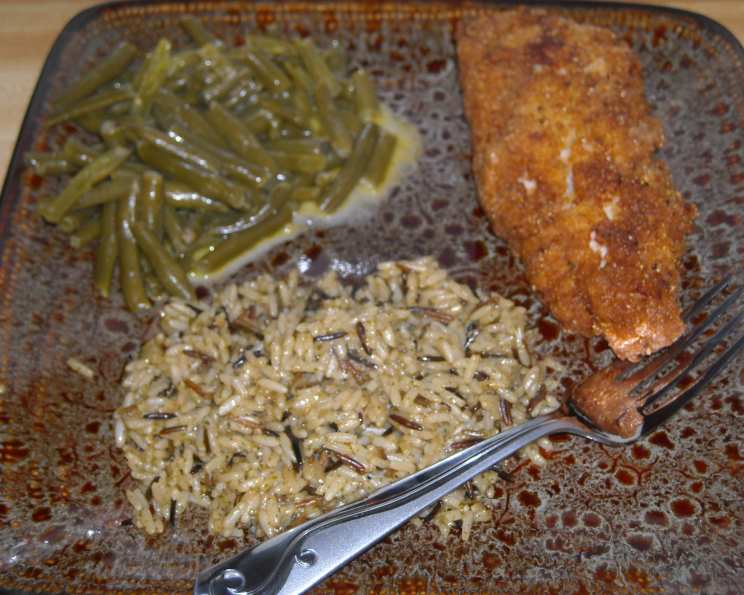
Salt and Pepper Catfish: A Southern Classic
My earliest memories are filled with the savory aroma of fried catfish wafting from my grandmother’s kitchen. Huddled around her ancient cast iron skillet, us grandkids would watch with rapt attention as she expertly flipped the golden-brown fillets. Each crispy bite was a taste of home, a connection to generations past, and a reminder that the simplest ingredients, prepared with love, could create pure magic. This recipe, inspired by those treasured moments, brings that same comforting warmth to your table.
Recipe Overview
- Prep Time: 15 minutes
- Cook Time: 10 minutes
- Total Time: 25 minutes
- Servings: 4
- Dietary Type: Pescatarian
Ingredients
- 1 cup buttermilk
- 4 catfish fillets (about 6 ounces each)
- 1 cup cornmeal
- 1/2 cup all-purpose flour
- 1 1/2 teaspoons freshly ground sea salt or kosher salt
- 2 tablespoons coarsely ground black pepper
- Vegetable oil, for frying
Equipment Needed
- 2-quart baking dish
- 12-inch cast iron skillet (or heavy-bottomed skillet)
- Instant-read thermometer
- Large, zipper-lock food storage bag
- Paper towels
- Tongs
Instructions
-
Begin by marinating the catfish fillets. Pour the buttermilk into the 2-quart baking dish. Submerge the catfish fillets in the buttermilk, ensuring they are fully coated. Let them marinate for 15 minutes. This step helps to tenderize the fish and infuse it with flavor.
-
While the fish marinates, prepare the frying oil. Pour vegetable oil into the 12-inch cast iron skillet to a depth of about 2 inches. This depth is crucial for even cooking. Heat the oil over medium-high heat until it reaches 375 degrees F, as measured with an instant-read thermometer. Maintaining the correct oil temperature is essential for achieving crispy, golden-brown perfection. If the oil isn’t hot enough, the coating will be soggy; if it’s too hot, the coating will burn before the fish is cooked through.
-
Prepare the coating mixture. In the large, zipper-lock food storage bag, combine the cornmeal, flour, salt, and pepper. Seal the bag tightly and shake vigorously until all the ingredients are thoroughly blended. This ensures an even distribution of seasoning.
-
Coat the catfish fillets. Remove the catfish fillets from the buttermilk and allow any excess liquid to drip off. Transfer the fillets, one or two at a time, into the bag containing the coating mixture. Seal the bag and gently shake until the fillets are completely coated with the cornmeal mixture. Make sure every nook and cranny is covered for maximum crispiness.
-
Fry the catfish. Gently shake off any excess coating mixture from the fillets. Carefully lower each fillet into the hot oil, being careful not to overcrowd the skillet. Fry the catfish until golden brown, approximately 5 minutes on each side. The cooking time may vary slightly depending on the thickness of the fillets, so keep a close eye on them.
-
Drain and serve. Once the catfish is golden brown and cooked through, remove it from the skillet using tongs and place it on a plate lined with paper towels to drain excess oil. Serve immediately and enjoy!
Expert Tips & Tricks
- Buttermilk Substitute: If you don’t have buttermilk on hand, you can easily make a substitute by adding 1 tablespoon of white vinegar or lemon juice to 1 cup of milk. Let it sit for 5 minutes to curdle slightly before using.
- Double Dredge: For an extra-crispy coating, try double-dredging the catfish. After the initial coating, dip the fillets back into the buttermilk, then dredge them in the cornmeal mixture again.
- Oil Temperature is Key: Maintain a consistent oil temperature of 375°F (190°C) throughout the frying process. Use a thermometer to monitor the temperature and adjust the heat as needed.
- Prevent Sticking: Ensure the cast iron skillet is well-seasoned to prevent the catfish from sticking.
Serving & Storage Suggestions
Salt and pepper catfish is best served immediately while it’s hot and crispy. It pairs beautifully with classic Southern sides such as coleslaw, hushpuppies, mac and cheese, and collard greens. A squeeze of lemon juice adds a bright, refreshing touch.
Storage: Leftover catfish can be stored in an airtight container in the refrigerator for up to 3 days. The coating will soften over time, but it will still be delicious.
Reheating: To reheat, preheat your oven to 350°F (175°C). Place the catfish on a baking sheet lined with parchment paper and bake for 10-15 minutes, or until heated through. Alternatively, you can reheat it in an air fryer for a few minutes to help crisp up the coating. Microwaving is not recommended as it will make the catfish soggy.
Nutritional Information
| Nutrient | Amount per Serving | % Daily Value |
|---|---|---|
| Calories | 415 kcal | 21% |
| Total Fat | 22g | 34% |
| Saturated Fat | 4g | 20% |
| Cholesterol | 100mg | 33% |
| Sodium | 950mg | 40% |
| Total Carbohydrate | 35g | 12% |
| Dietary Fiber | 2g | 8% |
| Sugars | 2g | – |
| Protein | 20g | 40% |
Note: Nutritional information is an estimate and may vary based on specific ingredients and cooking methods.
Variations & Substitutions
- Gluten-Free: Substitute the all-purpose flour with a gluten-free blend of your choice. Ensure the cornmeal is also certified gluten-free.
- Spice it up: Add a pinch of cayenne pepper or a dash of your favorite hot sauce to the cornmeal mixture for a spicy kick.
- Herbaceous Twist: Mix in some dried herbs, such as thyme, oregano, or parsley, to the cornmeal mixture for added flavor.
- Alternative Fish: While catfish is traditional, you can use this recipe with other white fish, such as cod, tilapia, or haddock.
- Air Fryer: Instead of deep-frying, you can air fry the catfish for a healthier option. Preheat your air fryer to 400°F (200°C) and cook for 8-10 minutes, flipping halfway through, until golden brown and cooked through. You may need to lightly spray the catfish with oil to help it crisp up.
FAQs (Frequently Asked Questions)
Q: Can I prepare the catfish ahead of time?
A: Yes, you can marinate the catfish in buttermilk for up to 24 hours in the refrigerator. You can also prepare the cornmeal mixture ahead of time and store it in an airtight container. However, it’s best to coat and fry the catfish right before serving for optimal crispiness.
Q: How do I know when the catfish is done cooking?
A: The catfish is done when it is golden brown and flakes easily with a fork. The internal temperature should reach 145°F (63°C).
Q: Can I use a different type of oil for frying?
A: Yes, you can use other oils with a high smoke point, such as peanut oil, canola oil, or grapeseed oil.
Q: What if my coating isn’t sticking to the catfish?
A: Make sure the catfish fillets are well-coated with buttermilk before dredging them in the cornmeal mixture. Also, avoid overcrowding the skillet, as this can lower the oil temperature and prevent the coating from crisping up.
Q: How can I prevent my kitchen from smelling like fried fish?
A: To minimize the odor, make sure your kitchen is well-ventilated. You can also place a small bowl of white vinegar near the stove while frying. After frying, promptly dispose of the used oil and clean your cooking equipment.
Final Thoughts
Salt and pepper catfish is more than just a recipe; it’s a taste of Southern tradition and a celebration of simple, wholesome ingredients. I encourage you to try this recipe and experience the joy of creating a dish that’s both comforting and delicious. Whether you’re sharing it with family, friends, or simply treating yourself, I hope this salt and pepper catfish brings warmth and happiness to your table. Feel free to experiment with variations and make it your own. And, as always, I’d love to hear your feedback and see your culinary creations! Consider pairing your masterpiece with a refreshing glass of iced tea or a crisp, dry white wine for the perfect Southern meal.