
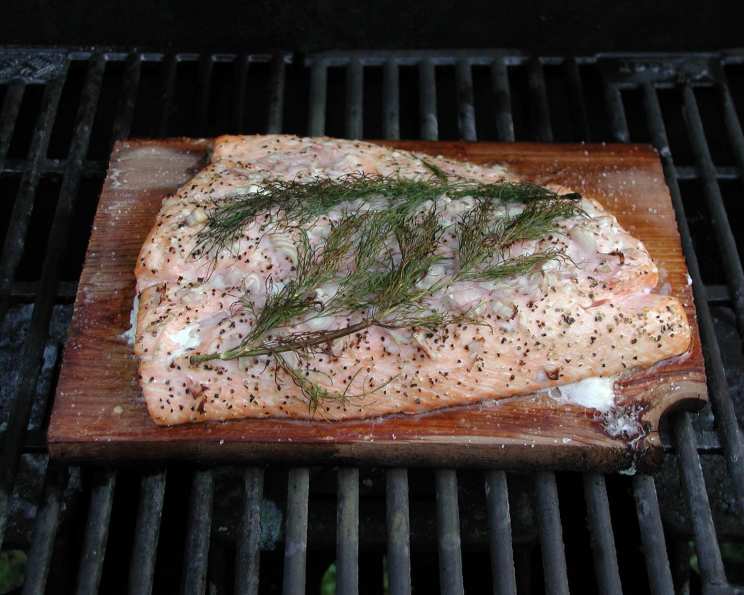
Cedar Plank Salmon: A Culinary Journey
The memory of my grandfather tending the grill, the intoxicating aroma of wood smoke mingling with the fresh scent of salmon… it’s etched in my mind as vividly as the taste of that first bite. He’d always cook salmon this way – not directly on the grates, but perched atop a fragrant cedar plank, a technique he claimed he’d learned from an old friend up in the Pacific Northwest. The result was always the same: flaky, moist salmon infused with a subtle smoky sweetness that was simply irresistible. This recipe, a tribute to those cherished memories, captures the essence of that experience, bringing the magic of cedar plank salmon to your own backyard barbecue.
Recipe Overview
- Prep Time: 24 hours 15 minutes
- Cook Time: 10-12 minutes
- Total Time: 24 hours 27 minutes
- Servings: 4
- Yield: 4 Salmon Fillets
- Dietary Type: Gluten-Free, Dairy-Free
Ingredients
- 4 (6 ounce) fresh Atlantic salmon fillets, about 1 inch thick, skin removed
- 4 tablespoons roast garlic infused olive oil
- 4 tablespoons finely chopped shallots (or 4 tablespoons red onions)
- Fresh dill
- 1 lemon, cut in half
- Coarsely crushed black peppercorns
- Coarsely crushed pink peppercorns
- Coarse salt
Equipment Needed
- Barbecue Grill
- 10-inch long, 6-8 inch wide, construction-grade cedar plank (3/4 inch thick)
- Large container or tub for soaking plank
- Weight to submerge plank (e.g., cans)
- Spray bottle filled with water
Instructions
-
Begin by preparing the cedar plank. This is a crucial step as it ensures the wood doesn’t burn too quickly on the grill and imparts its signature flavor to the salmon. Submerge a 10-inch long, 6 to 8-inch wide, construction-grade cedar plank, about ¾ inch thick, in water for a minimum of 24 hours before cooking. Be sure to weigh the plank down with cans or heavy objects to keep it fully submerged. The longer it soaks, the better protected it will be from the heat.
-
Once the cedar plank is soaking, prepare your barbecue grill. Start the barbecue and preheat it to high heat.
-
Prepare the salmon fillets. Pat the salmon fillets dry with paper towels. Rub the salmon fillets all over with the roast garlic infused olive oil. This adds moisture and flavor to the fish.
-
Sprinkle each fillet with some of the finely chopped shallots (or red onions if you’re using those as a substitute). The shallots will caramelize slightly on the grill, adding a sweet and savory note.
-
Top each fillet with a few sprigs of fresh dill and a generous squirt of lemon juice. The dill provides a fresh, herbaceous element that complements the richness of the salmon.
-
Finish with the crushed black peppercorns and pink peppercorns. The peppercorns add a subtle spicy kick and visual appeal.
-
Once the grill is hot and the plank has soaked for at least 24 hours, remove the plank from the water and place it directly on the barbecue. Sprinkle the plank with a little coarse salt.
-
Close the cover of the barbecue for a couple of minutes, or until the top of the plank is nearly dry. This pre-heats the plank and prepares it for the salmon.
-
Important Safety Note: Keep a spray bottle of water close at hand in case the wood starts to burn. A small flame is okay, but you don’t want it to catch fire!
-
Carefully place the prepared salmon fillets on top of the preheated cedar plank.
-
If your barbecue has two burners, turn off the burner directly beneath the wood. This creates an indirect heat source, preventing the bottom of the plank from burning. If your barbecue only has one burner, turn the heat down to the lowest setting.
-
Close the cover of the barbecue and cook for approximately 10 to 12 minutes, or until the salmon is nearly cooked all the way through. The internal temperature of the salmon should reach 145°F (63°C).
-
Don’t overcook the salmon! It should be flaky and moist. Overcooked salmon will be dry and rubbery.
-
Once the salmon is cooked to your liking, squeeze some more fresh lemon juice over the top. Serve immediately and enjoy the exquisite flavor of cedar plank salmon.
-
The cedar plank can only be used once. Make sure it has completely stopped smoking and is well extinguished before disposing of it responsibly.
Expert Tips & Tricks
- Soaking the Plank: Don’t skimp on the soaking time! A well-soaked plank is essential for preventing it from burning and for imparting maximum flavor. If you have the time, soak it for even longer than 24 hours.
- Flame Control: Keep a close eye on the plank while it’s on the grill. If it starts to flame up excessively, use the spray bottle of water to extinguish the flames.
- Doneness: Use a meat thermometer to ensure the salmon is cooked to a safe internal temperature of 145°F (63°C).
- Flavor Boost: For an extra layer of flavor, try adding a thin slice of lemon or orange under each salmon fillet before placing them on the plank.
- Plank Prep: Some chefs like to lightly toast the plank directly on the grill for a few minutes before soaking. This gives the salmon a more intense cedar flavor. Just be sure to watch it carefully so it doesn’t burn.
- Smoked Salt: Try using a smoked salt when sprinkling on the plank to enhance the smoky flavour of the salmon!
Serving & Storage Suggestions
Serve the cedar plank salmon immediately after cooking for the best flavor and texture. It pairs beautifully with roasted vegetables, a fresh salad, or a side of quinoa or rice. Leftover salmon can be stored in an airtight container in the refrigerator for up to 2 days. Reheat gently in a skillet over low heat or in a microwave. I would recommend eating it cold flaked into a nice salad if possible though, as it can dry out upon reheating. Do not leave the salmon at room temperature for more than 2 hours. Because of the changes in texture after freezing, it is not recommended to freeze leftover salmon.
Nutritional Information
| Nutrient | Amount per Serving | % Daily Value |
|---|---|---|
| Calories | 344.5 kcal | N/A |
| Calories from Fat | 188 g | 55% |
| Total Fat | 21 g | 32% |
| Saturated Fat | 3.2 g | 16% |
| Cholesterol | 77.4 mg | 25% |
| Sodium | 128 mg | 5% |
| Total Carbohydrate | 3 g | 1% |
| Dietary Fiber | 0.4 g | 1% |
| Sugars | 0.4 g | 1% |
| Protein | 34.9 g | 69% |
Variations & Substitutions
- Different Wood: While cedar is the most traditional and readily available, you can experiment with other types of wood, such as alder or maple, for subtle variations in flavor. Be sure the wood is food-safe and untreated.
- Herb Variations: Substitute other fresh herbs, such as thyme, rosemary, or oregano, for the dill.
- Spice Rub: Create a custom spice rub using smoked paprika, garlic powder, onion powder, and cayenne pepper for a bolder flavor.
- Sweet Glaze: Brush the salmon with a maple syrup or honey-based glaze during the last few minutes of cooking for a touch of sweetness.
- Citrus Zest: Add some lemon or orange zest to the salmon for some extra zing!
- Switch up the oil: Instead of roast garlic olive oil, try using sesame oil for an asian-inspired dish
FAQs (Frequently Asked Questions)
Q: Can I use a cedar plank more than once?
A: While some people attempt to reuse cedar planks, it’s generally not recommended. The plank absorbs flavors and oils from the fish, and it becomes more prone to burning on subsequent uses. For the best results, use a fresh plank each time.
Q: What if my cedar plank catches fire?
A: Keep a spray bottle of water handy. If the plank starts to flame up, spray it with water to extinguish the flames. Be careful not to oversoak the plank, as this can lower the grill temperature.
Q: Can I use salmon with the skin on?
A: Yes, you can cook salmon with the skin on. Just be sure to place the salmon skin-side down on the cedar plank. The skin will help to protect the fish from drying out.
Q: How do I know when the salmon is done?
A: The salmon is done when it flakes easily with a fork and the internal temperature reaches 145°F (63°C). Use a meat thermometer to check the temperature.
Q: Can I cook this recipe in the oven?
A: Yes, you can cook cedar plank salmon in the oven. Preheat your oven to 400°F (200°C) and place the plank with the salmon on a baking sheet. Bake for 15-20 minutes, or until the salmon is cooked through.
Final Thoughts
Cedar plank salmon is more than just a recipe; it’s an experience. The smoky aroma, the flaky texture, and the delightful flavor all combine to create a dish that is both simple and sophisticated. I encourage you to try this recipe and experience the magic of cedar plank salmon for yourself. Don’t be afraid to experiment with different herbs, spices, and glazes to create your own unique variation. And, of course, feel free to share your feedback and any tips or tricks you discover along the way. Pair it with a crisp white wine or a refreshing summer salad for a truly memorable meal. Happy grilling!