
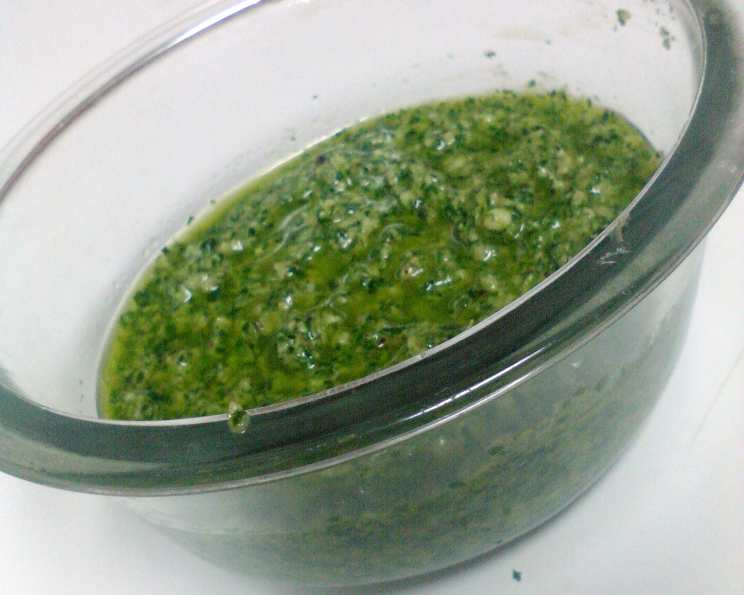
Celery Leaf Pesto: A Fresh Take on a Classic
I’ll never forget the first time I truly appreciated celery leaves. As a young chef, I dismissed them as mere garnishes, destined for the compost bin. Then, during a bustling summer at a small trattoria in Tuscany, the head chef, a wizened Nonna with eyes that could spot a wilted basil leaf from twenty paces, insisted I use them in a pesto. The vibrant, peppery flavor that burst forth transformed my perception forever, and I’ve been a celery leaf convert ever since. This pesto isn’t just a condiment; it’s a celebration of often-overlooked ingredients.
Recipe Overview
- Prep Time: 15 minutes
- Cook Time: 0 minutes
- Total Time: 15 minutes
- Servings: 12
- Yield: About 1 cup
- Dietary Type: Vegetarian (easily adaptable to vegan, see variations below)
Ingredients
- ⅛ cup pine nuts, toasted
- ½ large garlic clove, peeled
- ¼ cup flat leaf parsley, tightly packed
- ½ cup celery leaves, tightly packed (choose the tender leaves)
- ⅛ teaspoon kosher salt
- ½ cup olive oil
- ⅛ cup parmigiano-reggiano cheese, freshly grated
- ½ lemon, zest of
- ½ lemon, juice of
Equipment Needed
- Food processor
- Measuring cups and spoons
- Zester
- Lemon juicer
Instructions
-
Begin by preparing your ingredients. Ensure your pine nuts are toasted; this enhances their flavor and adds a subtle crunch. You can toast them in a dry pan over medium heat for a few minutes, watching carefully to prevent burning, or in a toaster oven. Peel the garlic clove and tightly pack the flat leaf parsley and celery leaves, ensuring you’re using only the most tender parts of the celery.
-
In the bowl of a food processor, combine the toasted pine nuts, peeled garlic clove, tightly packed flat leaf parsley, tightly packed celery leaves, and kosher salt. Process until the mixture is finely chopped and forms a relatively smooth paste. You may need to scrape down the sides of the bowl occasionally to ensure even processing.
-
With the food processor running on low speed, slowly drizzle in the olive oil. Pour it in a thin, steady stream, allowing the mixture to emulsify and create a smooth, vibrant pesto. This slow incorporation of the oil is key to achieving the right texture.
-
Add the freshly grated Parmigiano-Reggiano cheese, lemon zest, and lemon juice to the food processor. Mix well to incorporate all the ingredients evenly. The cheese adds a salty, umami depth, while the lemon zest brightens the flavor and the lemon juice provides acidity to balance the richness of the oil.
-
Taste the pesto and season to taste with additional salt, if needed. Remember that the cheese is already salty, so add salt judiciously.
-
If you prefer a less lemony pesto, add the lemon juice a little at a time, tasting after each addition, until you achieve your desired level of acidity. You can always add more, but you can’t take it away!
Expert Tips & Tricks
- Toast your pine nuts: This brings out their nutty flavor and adds a pleasant texture to the pesto.
- Use high-quality olive oil: The flavor of the olive oil will significantly impact the final result, so choose a good quality extra virgin olive oil.
- Don’t over-process: Over-processing can result in a bitter pesto. Pulse the food processor rather than running it continuously.
- Adjust the consistency: If the pesto is too thick, add a little more olive oil. If it’s too thin, add a few more pine nuts or cheese.
- Make it ahead: Pesto can be made a day or two in advance. Store it in an airtight container in the refrigerator with a thin layer of olive oil on top to prevent oxidation.
- If you’re feeling adventurous, try adding a pinch of red pepper flakes for a subtle kick.
Serving & Storage Suggestions
This celery leaf pesto is incredibly versatile. It’s delicious tossed with pasta, spread on sandwiches, used as a marinade for grilled chicken or fish, or served as a dip with crusty bread or vegetables.
To store, transfer the pesto to an airtight container. Pour a thin layer of olive oil over the top to prevent oxidation and discoloration. Store in the refrigerator for up to 5 days.
For longer storage, the pesto can be frozen. Portion it into ice cube trays or small freezer-safe containers. Once frozen, transfer the cubes to a freezer bag for up to 3 months. Thaw in the refrigerator before using.
Nutritional Information
(Per 1 tablespoon serving, estimated)
| Nutrient | Amount per Serving | % Daily Value |
|---|---|---|
| Calories | 95 kcal | 5% |
| Total Fat | 10.2g | 15% |
| Saturated Fat | 1.5g | 8% |
| Cholesterol | 0.6mg | 0% |
| Sodium | 43mg | 2% |
| Total Carbohydrate | 0.9g | 0% |
| Dietary Fiber | 0.3g | 1% |
| Sugars | 0.3g | 1% |
| Protein | 0.6g | 1% |
Variations & Substitutions
- Vegan Pesto: Omit the Parmigiano-Reggiano cheese and substitute it with 2 tablespoons of nutritional yeast for a cheesy flavor.
- Nut-Free Pesto: Replace the pine nuts with sunflower seeds or pumpkin seeds (pepitas). Toast them before using for the best flavor.
- Herb Variations: Add other fresh herbs like mint, basil, or cilantro for a different flavor profile.
- Spicy Pesto: Add a pinch of red pepper flakes or a small, finely chopped chili pepper for a spicy kick.
- Lemon Substitute: If you don’t have a lemon on hand, a teaspoon of white wine vinegar can provide a similar tang.
FAQs (Frequently Asked Questions)
Q: Can I use the thick celery stalks in the pesto?
A: While the stalks themselves aren’t ideal for pesto due to their fibrous texture, you can finely chop a small amount and add it for extra celery flavor.
Q: My pesto turned out bitter. What went wrong?
A: Over-processing the ingredients, especially the garlic, can release bitter compounds. Make sure to pulse the food processor rather than running it continuously.
Q: Can I make this pesto without a food processor?
A: Yes, but it will require more effort. Finely chop all the ingredients by hand and then mix them together in a bowl. The texture will be coarser, but the flavor will still be delicious.
Q: How can I prevent my pesto from turning brown?
A: Exposure to air causes pesto to oxidize and turn brown. To prevent this, store it in an airtight container with a thin layer of olive oil on top.
Q: Can I use dried herbs instead of fresh?
A: Fresh herbs are highly recommended for the best flavor and texture. Dried herbs will not provide the same vibrant flavor. If you must use dried, reduce the amount significantly (about 1 teaspoon dried for every 1 tablespoon fresh).
Final Thoughts
This celery leaf pesto is a delightful way to transform an often-discarded ingredient into something truly special. It’s a testament to the fact that even the simplest ingredients, when combined with creativity and care, can create extraordinary flavors. So, the next time you’re preparing celery, don’t toss those leaves! Embrace their vibrant, peppery flavor and create a pesto that will surprise and delight your taste buds. I encourage you to experiment with the variations and find your perfect celery leaf pesto. Don’t hesitate to share your creations and feedback – I’d love to hear how you make this recipe your own. Pair it with grilled fish or chicken for a light, summery meal. Enjoy!