
The Only Cheese Sauce Recipe You’ll Ever Need
My grandmother, Nana Bess, had a way with comfort food. Her kitchen was a symphony of bubbling pots and the sweet aroma of baking bread. But one dish, above all others, stands out in my memory: her cheese sauce. It wasn’t just a sauce; it was liquid gold, a blanket of cheesy goodness that transformed everything it touched into something extraordinary. I can still picture her stirring it slowly on the stove, a gentle smile on her face, as she prepared to elevate everyday meals into something truly special.
Recipe Overview
- Prep Time: 5 minutes
- Cook Time: 10 minutes
- Total Time: 15 minutes
- Servings: 4
- Yields: 1 1/4 cups
- Dietary Type: Vegetarian
Ingredients
- 1 tablespoon butter or 1 tablespoon margarine
- 2 tablespoons all-purpose flour
- 1/4 teaspoon salt
- 1 dash white pepper
- 1 cup milk
- 3/4 cup sharp cheddar cheese
Equipment Needed
- Heavy saucepan
- Whisk
Instructions
-
Begin by melting 1 tablespoon of butter (or margarine) in a heavy saucepan over low heat. Using a heavy-bottomed pan is crucial to prevent scorching, especially when working with dairy-based sauces.
-
Once the butter is fully melted, add 2 tablespoons of all-purpose flour, 1/4 teaspoon of salt, and a dash of white pepper to the pan. Stir continuously until the mixture is smooth. This creates a roux, the foundation of your cheese sauce.
-
Cook the roux for 1 minute, stirring constantly. This step is essential for cooking out the raw flour taste, which can ruin the entire sauce. Don’t skip it!
-
Gradually add 1 cup of milk to the saucepan. It’s important to add the milk slowly, whisking constantly to prevent lumps from forming. If you add the milk all at once, the flour will clump together, creating a lumpy sauce.
-
Increase the heat to medium and continue to cook, stirring constantly, until the sauce thickens. This usually takes about 5-7 minutes. The sauce should be thick enough to coat the back of a spoon.
-
Reduce the heat to low and add 3/4 cup of sharp cheddar cheese. Stir until the cheese melts completely and the sauce is smooth and creamy. Avoid overheating the cheese at this stage, as it can become stringy and separate.
-
Once the cheese is fully melted and the sauce is smooth, remove the saucepan from the heat. Your cheese sauce is now ready to be served.
Expert Tips & Tricks
- Cheese Choice Matters: While sharp cheddar is a classic choice, feel free to experiment with other cheeses like Gruyere, Monterey Jack, or even a blend of cheeses for a more complex flavor.
- Preventing Lumps: The key to a smooth cheese sauce is a properly made roux and constant whisking while adding the milk. If lumps do form, you can try using an immersion blender to smooth them out.
- Spice It Up: Add a pinch of cayenne pepper or a dash of hot sauce for a little kick.
- Make-Ahead Option: You can make the cheese sauce ahead of time and store it in the refrigerator. To reheat, gently warm it over low heat, stirring frequently, and add a splash of milk if it’s too thick.
- Don’t Boil: Boiling the cheese sauce can cause it to separate and become grainy. Keep the heat low and stir constantly to prevent this from happening.
- Flavor Infusion: For a touch of sophistication, try infusing your milk with herbs like thyme or bay leaf before adding it to the roux. Remove the herbs before adding the cheese.
- Mustard Magic: A tiny pinch of dry mustard can enhance the cheesy flavor and add a subtle tang.
Serving & Storage Suggestions
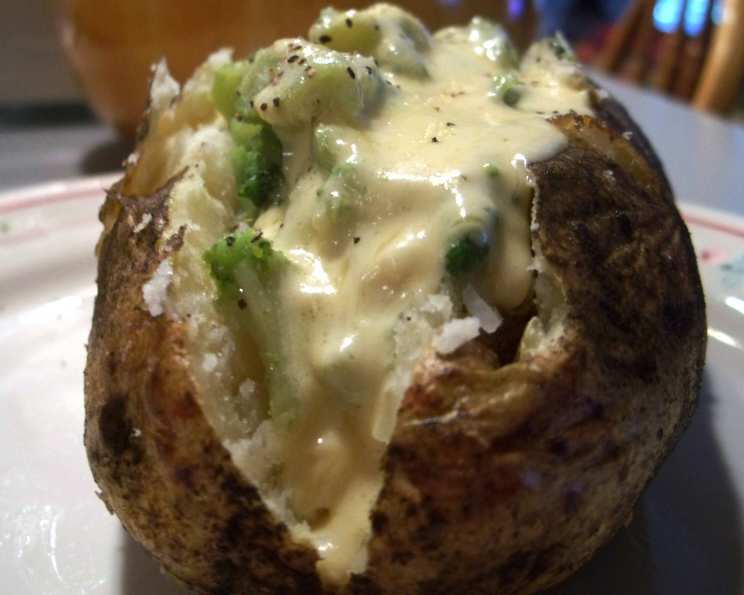
This cheese sauce is incredibly versatile. Serve it over steamed vegetables like broccoli or asparagus, use it as a topping for baked potatoes, or drizzle it over nachos. It’s also fantastic in macaroni and cheese or as a dip for pretzels.
To store leftover cheese sauce, let it cool completely and then transfer it to an airtight container. Store in the refrigerator for up to 3 days. Reheat gently over low heat, stirring frequently, and add a splash of milk if needed to thin it out. Freezing is not recommended, as the sauce can become grainy upon thawing.
Nutritional Information
| Nutrient | Amount per Serving | % Daily Value |
|---|---|---|
| Calories | 210 kcal | 11% |
| Total Fat | 15g | 23% |
| Saturated Fat | 9g | 45% |
| Cholesterol | 45mg | 15% |
| Sodium | 400mg | 17% |
| Total Carbohydrate | 7g | 2% |
| Dietary Fiber | 0g | 0% |
| Sugars | 3g | 6% |
| Protein | 10g | 20% |
Variations & Substitutions
- Dairy-Free Cheese Sauce: Use plant-based butter, gluten-free flour, and your favorite unsweetened plant-based milk (such as almond, soy, or oat milk). Substitute the cheddar cheese with a vegan cheese alternative. Nutritional yeast can also add a cheesy flavor.
- Gluten-Free Cheese Sauce: Simply substitute the all-purpose flour with a gluten-free all-purpose flour blend or cornstarch. Be sure to whisk it well to prevent lumps.
- Spicy Cheese Sauce: Add a pinch of cayenne pepper, a dash of your favorite hot sauce, or a finely chopped jalapeño pepper to the sauce while it’s cooking.
- Smoked Cheese Sauce: Use smoked cheddar or add a pinch of smoked paprika for a smoky flavor.
- Garlic Cheese Sauce: Add a clove of minced garlic to the butter while it’s melting for a garlic-infused cheese sauce.
FAQs (Frequently Asked Questions)
Q: My cheese sauce is too thick. What should I do?
A: Add a splash of milk, a tablespoon at a time, until you reach your desired consistency. Stir constantly while adding the milk.
Q: My cheese sauce is lumpy. How can I fix it?
A: If the lumps are small, try whisking the sauce vigorously. For larger lumps, use an immersion blender to smooth the sauce out. You can also strain the sauce through a fine-mesh sieve.
Q: Can I use pre-shredded cheese?
A: While you can use pre-shredded cheese, it often contains cellulose, which can prevent it from melting smoothly. Shredding your own cheese is always recommended for the best results.
Q: Can I make this cheese sauce in advance?
A: Yes, you can make the cheese sauce ahead of time and store it in the refrigerator for up to 3 days. Reheat gently over low heat, stirring frequently, and add a splash of milk if needed to thin it out.
Q: What can I use this cheese sauce for?
A: The possibilities are endless! Serve it over vegetables, baked potatoes, nachos, macaroni and cheese, or as a dip for pretzels.
Final Thoughts
This cheese sauce recipe is a timeless classic for a reason. It’s easy to make, incredibly versatile, and utterly delicious. Don’t be afraid to experiment with different cheeses and spices to create your own signature version. I encourage you to try this recipe and experience the simple joy of homemade cheese sauce. Share your creations and feedback, and enjoy the warmth and comfort this dish brings to your table. Pair it with a crisp, dry white wine for an elevated experience.