
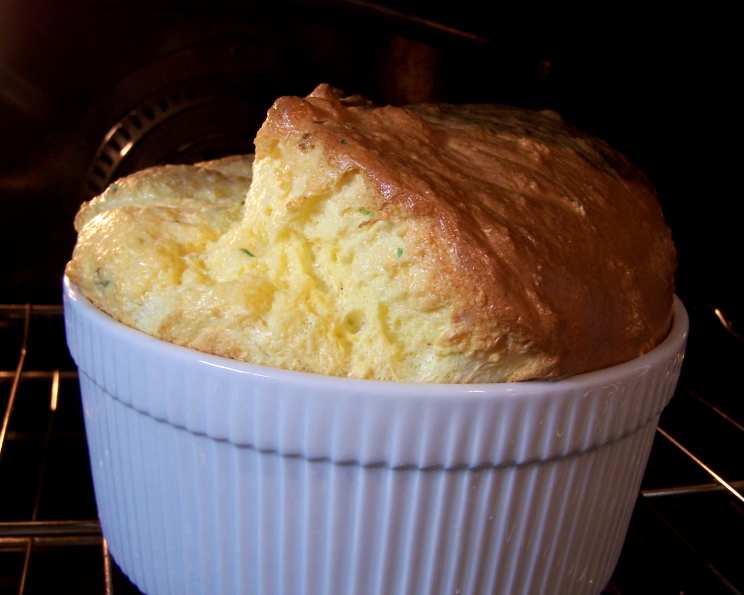
The Timeless Charm of Cheese Soufflé: A Culinary Journey
The first time I made a cheese soufflé, I was barely tall enough to see over the kitchen counter. It was for a family dinner, and the pressure was immense. I remember the sheer terror as I watched that magnificent, golden cloud rise in the oven, a puff of cheesy perfection promising delight. And then, the inevitable deflation as we savored every last bite. It taught me a valuable lesson about enjoying the moment and that some of the most exquisite culinary creations are fleeting, making them all the more precious. Now, decades later, the aroma of a cheese soufflé still evokes a sense of warmth, comfort, and the joy of sharing good food with loved ones.
Recipe Overview
Here’s a quick look at what you can expect:
- Prep Time: 20 minutes
- Cook Time: 1 hour 15 minutes
- Total Time: 1 hour 35 minutes
- Servings: 4
- Dietary Type: Vegetarian
Ingredients
- 1/4 cup butter
- 1/4 cup all-purpose flour
- 1 cup milk
- 1/2 teaspoon salt
- 1 dash cayenne pepper
- 8 ounces sharp American cheese, thinly sliced
- 4 egg yolks
- 4 egg whites, stiffly beaten
Equipment Needed
- 1 1/2 quart soufflé dish or casserole dish
- Medium saucepan
- Whisk
- Mixing bowls
- Electric mixer (optional, for beating egg whites)
- Measuring cups and spoons
Instructions
-
Begin by melting the butter in a medium saucepan over medium heat.
-
Once the butter is melted, blend in the all-purpose flour, salt, and cayenne pepper. Whisk constantly to form a smooth roux.
-
Add the milk all at once to the saucepan. Continue cooking over medium heat, stirring constantly with a whisk, until the mixture thickens and begins to bubble. This usually takes about 5-7 minutes.
-
Remove the saucepan from the heat. Add the thinly sliced sharp American cheese to the hot milk mixture.
-
Stir continuously until the cheese is completely melted and the mixture is smooth and creamy. Set aside to cool slightly.
-
While the cheese sauce is cooling, separate the eggs. In a separate bowl, beat the egg yolks until they are very thick and lemon-colored. This is crucial for achieving a light and airy texture.
-
Slowly add the slightly cooled cheese mixture to the beaten egg yolks, stirring constantly to ensure the yolks don’t cook from the heat.
-
In another clean, dry bowl, beat the egg whites until stiff peaks form. The egg whites are the key to the soufflé’s rise, so this step is essential.
-
Gently fold the cheese and egg yolk mixture into the stiffly beaten egg whites. Be careful not to overmix, as this will deflate the whites and result in a flat soufflé. Use a rubber spatula and a light hand, folding from the bottom up until just combined.
-
Pour the mixture into an ungreased 1 1/2 quart soufflé dish or casserole dish. It’s crucial that the dish isn’t greased; the soufflé needs to grip the sides to rise properly.
-
To encourage a “top hat” effect (where the soufflé puffs up dramatically), trace a circle through the mixture about 1 inch from the edge of the dish, going about 1 inch deep. This creates a weak spot that allows the center to rise higher.
-
For an extra-high soufflé, measure a piece of wax paper or parchment paper around your casserole dish, allowing for a 1-inch overlap. Fold the paper in thirds lengthwise and butter one side. Fasten this “collar” around the top of your casserole dish so that it extends about 2 inches above the rim. Remove the collar after baking.
-
Bake in a preheated slow oven at 300°F (150°C) for 1 hour and 15 minutes, or until a knife inserted into the center comes out clean.
-
Immediately remove the soufflé from the oven.
-
Break the soufflé apart into servings using two forks and serve immediately. Remember, soufflés wait for no one!
Expert Tips & Tricks
- Don’t grease the dish! This is the most important tip. The soufflé needs to grip the sides of the dish to climb.
- Make sure your egg whites are beaten to stiff peaks. This is what gives the soufflé its lift.
- Fold the egg whites in gently to avoid deflating them. Overmixing is the enemy of a fluffy soufflé.
- For an even higher rise, use a water bath (bain-marie). Place the soufflé dish inside a larger baking pan and fill the pan with hot water until it reaches halfway up the sides of the soufflé dish.
- If you’re using a different type of cheese, make sure it melts smoothly. Strong, flavorful cheeses like Gruyère or sharp cheddar work well.
- Don’t open the oven door during baking, as this can cause the soufflé to collapse.
Serving & Storage Suggestions
Cheese soufflé is best served immediately after baking. It is designed to be enjoyed at its peak, when it is light, airy, and perfectly puffed. Serve it as a light lunch, a sophisticated appetizer, or a side dish to accompany a main course. A simple green salad and a glass of crisp white wine make an excellent pairing.
Unfortunately, cheese soufflé does not store well. It will deflate quickly and lose its texture. Therefore, it is not recommended to save leftovers. The beauty of a soufflé lies in its ephemeral nature – savor it while it lasts!
Nutritional Information
Please note that these values are estimates and can vary based on specific ingredients and portion sizes.
| Nutrient | Amount per Serving | % Daily Value |
|---|---|---|
| Calories | 380 kcal | 19% |
| Total Fat | 25g | 38% |
| Saturated Fat | 15g | 75% |
| Cholesterol | 220mg | 73% |
| Sodium | 850mg | 35% |
| Total Carbohydrate | 12g | 4% |
| Dietary Fiber | 0g | 0% |
| Sugars | 2g | 4% |
| Protein | 20g | 40% |
Variations & Substitutions
- Spice it up: Add a pinch of nutmeg, smoked paprika, or your favorite herbs to the cheese sauce for a more complex flavor.
- Vegetable addition: Fold in cooked spinach, mushrooms, or asparagus for added nutrients and texture. Be sure to squeeze out any excess moisture from the vegetables before adding them to the mixture.
- Cheese variations: Experiment with different cheeses like Gruyère, Swiss, or a blend of cheddar and Parmesan for a unique flavor profile.
- Gluten-free: Use a gluten-free all-purpose flour blend for a gluten-free version.
- Herbed Souffle: add 1 tablespoon of fresh chopped herbs, such as chives, parsley, or thyme, to the cheese mixture.
FAQs (Frequently Asked Questions)
Q: Why did my soufflé deflate?
A: The most common reasons are opening the oven door during baking, under-beaten egg whites, or overmixing the batter after adding the egg whites. Soufflés are delicate and require a gentle touch.
Q: Can I make the cheese sauce ahead of time?
A: Yes, you can make the cheese sauce up to a day in advance and store it in the refrigerator. However, beat egg yolks and egg white, and combine both right before baking. Bring the cheese mixture to room temperature before folding in the egg whites.
Q: Can I use a different type of cheese?
A: Absolutely! Experiment with different cheeses to find your favorite flavor combination. Just make sure the cheese melts smoothly.
Q: What size soufflé dish should I use?
A: A 1 1/2 quart soufflé dish is ideal for this recipe. If you use a smaller dish, the soufflé may overflow. A larger dish may result in a less dramatic rise.
Q: How do I know when the soufflé is done?
A: The soufflé is done when it is puffed up and golden brown, and a knife inserted into the center comes out clean. The center should be set, not runny.
Final Thoughts
The cheese soufflé might seem daunting at first, but with a little practice and attention to detail, you’ll be rewarded with a truly magnificent dish. Don’t be discouraged if your first attempt isn’t perfect; even a slightly deflated soufflé is still delicious! Embrace the challenge, enjoy the process, and share your cheesy masterpiece with friends and family. Perhaps a glass of chilled Chardonnay would be the perfect accompaniment? Don’t be afraid to tweak the recipe to your liking and make it your own. Happy baking!