
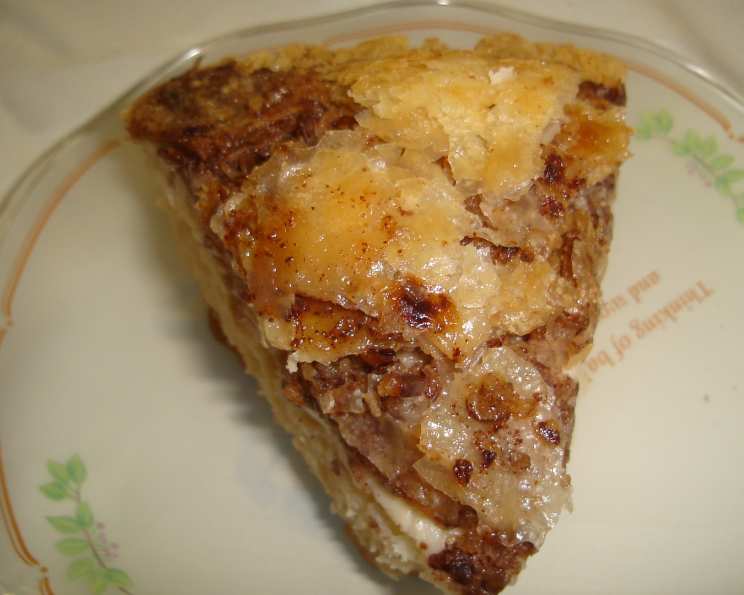
Cheesecake Baklava: A Decadent Fusion Dessert
The first time I tasted baklava, I was wandering the labyrinthine alleys of Istanbul’s Grand Bazaar. The air, thick with the scent of spices and roasting nuts, led me to a tiny shop overflowing with golden, syrup-soaked pastries. One bite of that flaky, nutty sweetness, and I was hooked. Years later, I found myself wondering: what if I could combine that intensely satisfying baklava experience with the creamy richness of a classic cheesecake? The result, as you’ll soon discover, is a truly unforgettable dessert – Cheesecake Baklava.
Recipe Overview
- Prep Time: 2 hours
- Cook Time: 1 hour 20 minutes
- Total Time: 3 hours 20 minutes (plus 2 days chilling)
- Servings: 12-16
- Yield: 1 Cheesecake Baklava
- Dietary Type: Not specified
Ingredients
Cheesecake Filling:
- 2 lbs cream cheese, room temperature
- 1 cup Greek thyme honey
- 1/4 cup fresh lemon juice
- 2 teaspoons vanilla
- 6 eggs, room temperature
- 1/3 cup butter, melted
- 1 lb phyllo pastry
Baklava Topping:
- 1/2 cup walnuts
- 1/3 cup almonds, blanched
- 1 tablespoon sugar
- 1 teaspoon cinnamon
- 1/2 cup butter, melted
- 1/3 cup sugar
- 1/4 cup water
- 1 tablespoon fresh lemon juice
- 1 cinnamon stick
- 1 tablespoon brandy (optional, but good)
Equipment Needed
- 10-inch springform pan
- Mixer (stand or hand-held)
- Baking sheet
- Parchment paper
- Small saucepan
- Sharp knife
- Large spatula
Instructions
- Prepare the Cheesecake Filling: Position a rack in the lower third of your oven and preheat to 350°F (175°C). In a large bowl using a mixer, beat the cream cheese until light and fluffy. Gradually mix in the honey, lemon juice, and vanilla. On low speed, add the eggs one at a time, beating until each is fully incorporated before adding the next.
- Create the Phyllo Crust: Generously brush a 10-inch springform pan with melted butter. This will prevent sticking and contribute to the flaky crust.
- Layer the Phyllo: Take 1 sheet of phyllo pastry with the long end facing you. Cover the remaining phyllo with a sheet of wax paper and a dampened kitchen towel to prevent it from drying out. Brush half of the sheet with melted butter; fold the unbuttered half over to turn the rectangle into a square shape. Brush the top of the phyllo with butter and place it in the springform pan, buttered side up, leaving a 5-inch overhang on one end. Cover the pan with a dampened towel. Repeat this process with 4 more sheets of phyllo (using 5 sheets in total). Wrap the remaining phyllo in plastic and refrigerate.
- Fill and Bake: Stir the cheesecake filling thoroughly and pour it into the phyllo crust. Cover the filling with the pastry overhang. Bake until the pastry is light brown and the cake is firm to the touch, about 50 minutes. A slight jiggle in the center is okay; it will firm up as it cools.
- Cool and Chill: Let the cheesecake cool in the pan for 20 minutes, then carefully remove the sides of the springform pan and cool completely. Refrigerate for 2 days to allow the flavors to mellow and meld together. Keep the cake covered after the first day to prevent it from drying out. This step is crucial for the final texture and flavor.
- Prepare the Baklava Topping: Preheat the oven to 350°F (175°C). Cover a baking sheet with two sheets of parchment paper.
- Grind the Nuts: Coarsely grind the walnuts and almonds with 1 tablespoon of sugar and 1 teaspoon of cinnamon. You can use a food processor or do this by hand for a more rustic texture.
- Cut Phyllo Rounds: Stack 10 reserved phyllo pastry sheets on your work surface. Set the rim of the 10-inch springform pan atop the pastry. Cut around the outside of the rim through the entire stack of phyllo, making 10 pastry rounds. Cover the rounds with a damp towel to prevent them from drying out.
- Layer the Baklava Topping: Set the pan rim on the prepared baking sheet. Brush the parchment and the inside of the pan rim with butter. Place 1 pastry round in the pan rim and brush with butter. Repeat with 4 more rounds. Spread the nut mixture evenly over the pastry. Top with the remaining 5 rounds, brushing each with butter.
- Cut and Bake: Cut the pastry into 16 wedges with a sharp knife. This step is crucial as the phyllo bakes up very crisp and would shatter if you tried to cut it when fully baked. Sprinkle lightly with water. Bake until crisp and golden, about 30 minutes. Keep a close eye on it to prevent burning.
- Make the Syrup: While the baklava topping bakes, heat 1/3 cup sugar, water, and lemon juice in a heavy small saucepan over low heat, swirling the pan occasionally until the sugar dissolves. Add the cinnamon stick, increase the heat, and boil until syrupy, about 4 minutes. Remove from the heat. When the bubbles subside, stir in the brandy (if using).
- Assemble the Cheesecake Baklava: Set the baked baklava pastry on top of the cheesecake, using a large spatula to carefully transfer it. Gently recut the wedges to ensure clean separation. Replace the pan rim on the cake.
- Syrup Soak: Pour the hot syrup evenly over the baklava topping. Cool for 1 hour.
- Final Chill: Refrigerate for 1-6 hours. Let the cake stand at room temperature for at least 20 minutes before serving. This allows the cheesecake to soften slightly and the flavors to fully bloom.
- Serve and Enjoy: Slice and serve. Prepare for rave reviews!
Expert Tips & Tricks
- Room Temperature Ingredients: Ensuring your cream cheese and eggs are at room temperature is crucial for a smooth, lump-free cheesecake filling.
- Preventing a Soggy Crust: Thoroughly buttering the phyllo pastry and baking the baklava topping separately helps prevent a soggy crust.
- Syrup Consistency: The syrup should be thick enough to coat the baklava but not so thick that it crystallizes. Adjust the cooking time accordingly.
- Phyllo Handling: Work quickly with the phyllo and keep it covered to prevent it from drying out and becoming brittle.
- Nut Variety: Feel free to experiment with other nuts like pistachios or pecans for the baklava topping.
Serving & Storage Suggestions
Serve the Cheesecake Baklava chilled or at room temperature. It is best served within 2-3 days of making it, as the phyllo pastry can soften over time. Store leftovers in an airtight container in the refrigerator. It is not recommended to freeze this dessert, as the texture of the cheesecake and phyllo will be compromised.
Nutritional Information
| Nutrient | Amount per Serving | % Daily Value |
|---|---|---|
| Calories | 700 kcal | 35% |
| Total Fat | 49g | 75% |
| Saturated Fat | 27g | 132% |
| Cholesterol | 223mg | 74% |
| Sodium | 547mg | 22% |
| Total Carbohydrate | 54g | 18% |
| Dietary Fiber | 2g | 6% |
| Sugars | 31g | 123% |
| Protein | 13g | 26% |
Please note: These values are estimates and may vary based on specific ingredients and preparation methods.
Variations & Substitutions
- Gluten-Free: Substitute the phyllo pastry with a gluten-free version, though the texture may be slightly different.
- Different Honey: Experiment with different types of honey for unique flavor profiles, such as orange blossom or lavender honey.
- Citrus Zest: Add a teaspoon of lemon or orange zest to the cheesecake filling for a brighter flavor.
- Spice It Up: Incorporate a pinch of cardamom or cloves into the nut mixture for a warmer, more aromatic baklava topping.
- Nut-Free: For those with nut allergies, sunflower seeds or pumpkin seeds can be used as a substitute, though the flavor will be altered.
FAQs (Frequently Asked Questions)
Q: Why does the recipe call for chilling the cheesecake for two days?
A: Chilling the cheesecake for two days allows the flavors to fully meld together and the texture to become firmer and more stable. This results in a superior final product.
Q: Can I make the baklava topping ahead of time?
A: Yes, you can bake the baklava topping a day in advance and store it at room temperature in an airtight container. However, wait to add the syrup until just before serving to prevent it from becoming soggy.
Q: My phyllo pastry is tearing. What am I doing wrong?
A: Phyllo pastry dries out very quickly, which makes it brittle and prone to tearing. Keep the phyllo covered with a damp towel while you work and brush it generously with butter to keep it pliable.
Q: The top of my cheesecake is cracking. How can I prevent this?
A: Overbaking is the most common cause of cheesecake cracking. Be sure to bake the cheesecake at the correct temperature and avoid overbaking. A water bath can also help prevent cracking by providing a more humid environment.
Q: Can I use a different size springform pan?
A: Using a different size springform pan will affect the baking time and the final thickness of the cheesecake. If you use a smaller pan, you may need to reduce the baking time. If you use a larger pan, the cheesecake will be thinner and may bake faster.
Final Thoughts
The Cheesecake Baklava is more than just a dessert; it’s an experience. The combination of creamy cheesecake, crisp phyllo, and sweet, nutty syrup is a symphony of textures and flavors that will transport you to another world. I encourage you to try this recipe and share your creations with friends and family. Let me know what you think – I’m always eager to hear your feedback and see your variations on this delicious fusion dessert! Enjoy!