
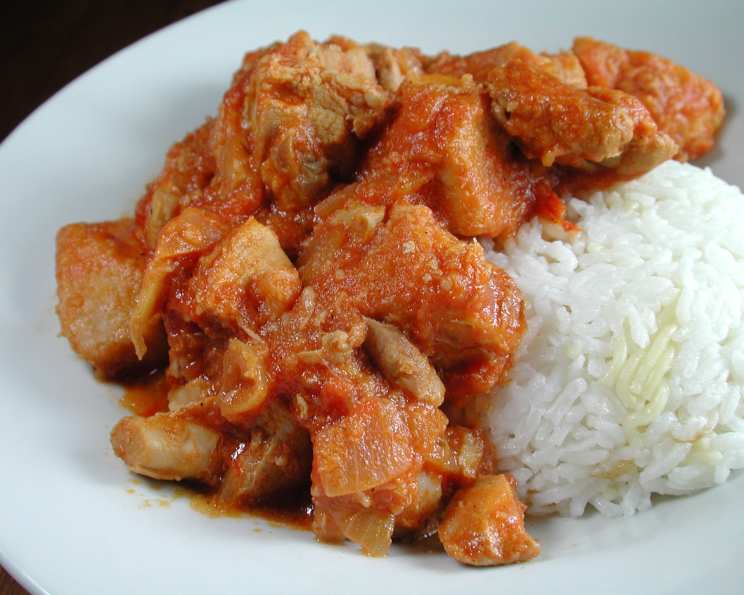
Chef Flower’s Turkish Cypriot Taro Casserole – Kibrisli Kolokas
The aroma always takes me back. As a child, visiting my aunt in North Cyprus, the air would be thick with the earthy scent of taro simmering in a rich tomato sauce. The kitchen, always bustling, was her domain, a haven of comforting flavors and boisterous laughter. This Kibrisli Kolokas, a humble taro casserole, isn’t just food; it’s a tangible piece of my heritage, a warm embrace from across the sea, and a direct line to those cherished family memories.
Recipe Overview
- Prep Time: 20 minutes
- Cook Time: 35 minutes
- Total Time: 55 minutes
- Servings: 4
- Dietary Type: Potentially Dairy-Free, Gluten-Free
Ingredients
- 3 tablespoons olive oil, divided
- 600 g chicken pieces or 600 g chicken breasts, chopped into bite-size pieces
- 400 g taro root (colocasia), peeled, washed, and chopped into bite-size pieces
- 1 large onion, chopped (about 140 grams)
- 2 tablespoons tomato paste
- 1 (400 g) can diced tomatoes
- 2 cups chicken stock, plus more as needed
- Juice of 1 lemon
- Salt, to taste
- Black pepper, to taste
- Garnish: Coriander (optional) or cilantro (optional)
Equipment Needed
- Shallow pot or casserole dish
- Medium-sized heat-resistant bowl
- Another medium-sized heat-resistant bowl
Instructions
- Begin by heating 1/3 of the olive oil in a shallow pot over medium heat. Add the chicken and brown it on all sides. Browning the chicken is crucial for building flavor.
- Once the chicken is nicely browned, remove it from the pot and transfer it to a medium-sized heat-resistant bowl. Set aside.
- Add another 1/3 of the olive oil to the same pot, ensuring the bottom is coated. Heat the oil, then add the taro. Slightly brown the taro, turning it occasionally to ensure even cooking. This step enhances the taro’s nutty flavor and helps it hold its shape during the simmering process.
- Remove the taro from the pot and place it in a separate medium-sized heat-resistant bowl. Set aside. Keep the chicken and taro separate until later.
- Add the remaining 1/3 of the olive oil to the pot. Add the chopped onion and cook until it becomes lightly brown and softened, stirring frequently to prevent burning. This creates a sweet base for the casserole.
- Return the chicken to the pot with the browned onions and mix well. This allows the chicken to further absorb the flavors of the onions and the fond left in the pot.
- Add the tomato paste and diced tomatoes to the pot, stirring to combine. Then, pour in the chicken stock.
- Bring the mixture to a boil, then reduce the heat to low and allow it to simmer gently.
- Add the lemon juice and taro to the pot. Gently stir to combine all the ingredients, being careful not to break the taro pieces.
- Season with salt and pepper to taste. Adjust the seasoning according to your preference.
- Simmer for 30 minutes, stirring occasionally to prevent sticking. Monitor the liquid level during this time. The sauce should thicken, but not dry out completely.
- Important Note: You may need to add more chicken stock during the 30-minute simmering period to prevent the casserole from drying out and burning. Aim for a thick sauce with plenty of moisture. The sauce should generously coat the chicken and taro.
- Once the casserole has simmered for 30 minutes and the taro is tender, remove from heat.
- You can either add chopped coriander or cilantro directly into the casserole or use it as a garnish.
Expert Tips & Tricks
- Browning the chicken and taro separately is key to developing deep flavors in the casserole. Don’t skip this step!
- Taste the sauce frequently while it simmers and adjust the seasoning as needed. Lemon juice can brighten the overall flavor.
- If you prefer a richer sauce, you can add a tablespoon of butter towards the end of the simmering process.
- For a vegetarian version, substitute vegetable broth for chicken stock and omit the chicken entirely, adding chickpeas or other legumes for protein.
- Ensure that the taro is cooked through. Undercooked taro can be slightly chalky in texture.
Serving & Storage Suggestions
Serve Chef Flower’s Turkish Cypriot Taro Casserole hot, garnished with fresh coriander or cilantro. It pairs wonderfully with crusty bread for soaking up the delicious sauce, and a simple garden salad or a plain Turkish pilaf makes a perfect accompaniment.
Leftovers can be stored in an airtight container in the refrigerator for up to 3 days. To reheat, gently warm the casserole on the stovetop over low heat, adding a splash of chicken stock or water if needed to prevent drying. You can also reheat it in the microwave. The casserole can also be frozen for up to 2 months. Thaw overnight in the refrigerator before reheating.
Nutritional Information
Note: Nutritional information is an estimate and may vary based on specific ingredients and portion sizes.
| Nutrient | Amount per Serving | % Daily Value |
|---|---|---|
| Calories | 450 kcal | 23% |
| Total Fat | 25g | 38% |
| Saturated Fat | 7g | 35% |
| Cholesterol | 90mg | 30% |
| Sodium | 400mg | 17% |
| Total Carbohydrate | 30g | 10% |
| Dietary Fiber | 5g | 20% |
| Sugars | 8g | N/A |
| Protein | 25g | 50% |
Variations & Substitutions
- Spicy Kick: Add a pinch of red pepper flakes or a chopped chili pepper to the casserole for a touch of heat.
- Herby Delight: Experiment with different herbs like oregano, thyme, or rosemary for a unique flavor profile.
- Vegan Option: Replace the chicken with chickpeas or lentils for a plant-based alternative. Use vegetable stock instead of chicken stock.
- Creamy Version: Stir in a dollop of Greek yogurt or coconut cream at the end of cooking for extra richness.
- Celery Addition: Diced celery ribs, added along with the onions, can contribute a subtle, aromatic depth.
FAQs (Frequently Asked Questions)
Q: Can I use frozen taro for this recipe?
A: While fresh taro is preferable, you can use frozen taro. Be sure to thaw it completely and drain off any excess water before adding it to the casserole.
Q: What if I can’t find colocasia root?
A: Colocasia root is the traditional choice, but if it’s unavailable, you can experiment with other types of taro or even sweet potatoes, keeping in mind that the flavor profile will be slightly different.
Q: How do I know when the taro is cooked properly?
A: The taro should be tender and easily pierced with a fork. Avoid overcooking, as it can become mushy.
Q: Can I make this casserole in a slow cooker?
A: Yes, you can adapt this recipe for a slow cooker. Brown the chicken and onions as instructed, then transfer all the ingredients to the slow cooker and cook on low for 6-8 hours, or on high for 3-4 hours, until the taro is tender.
Q: The sauce is too thin. How can I thicken it?
A: If the sauce is too thin, you can simmer it for a bit longer uncovered, allowing some of the liquid to evaporate. Alternatively, you can mix a teaspoon of cornstarch with a tablespoon of cold water to create a slurry and then stir it into the casserole during the last few minutes of cooking.
Final Thoughts
Chef Flower’s Turkish Cypriot Taro Casserole is more than just a recipe; it’s a journey into a world of comforting flavors and cherished memories. I encourage you to try this delightful dish and share it with your loved ones. Feel free to adjust the recipe to your liking and don’t hesitate to let me know what you think. Serve it with a crisp glass of Cypriot white wine and let the flavors transport you to the sun-kissed shores of the Mediterranean. Afiyet Olsun! (Bon appétit!)