
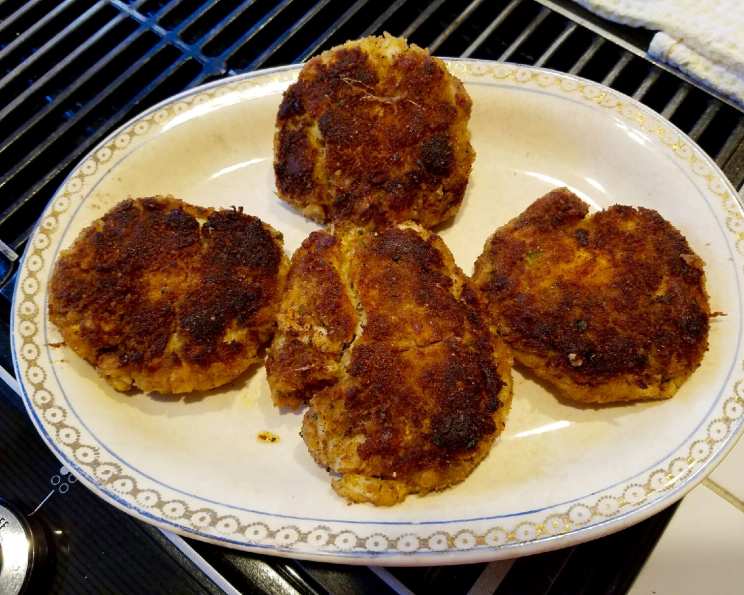
Chesapeake Bay Crab Cakes: A Culinary Classic
The scent of the Chesapeake Bay is forever etched in my memory – the briny air, the cries of gulls overhead, and, most importantly, the sweet, delicate aroma of crab simmering with Old Bay. My grandfather, a waterman since he was a boy, would bring home bushels of blue crabs, and my grandmother would transform them into the most incredible crab cakes. They were more than just food; they were a taste of home, a symbol of family, and a celebration of the Bay’s bounty. Every bite transported me back to those sun-drenched summer days, filled with laughter, stories, and the unparalleled flavor of fresh Chesapeake Bay crab.
Recipe Overview
- Prep Time: 20 minutes
- Cook Time: 10 minutes
- Total Time: 30 minutes
- Servings: 8
- Dietary Type: Pescatarian
Ingredients
- 1/4 cup minced onion
- 2 tablespoons minced green bell peppers
- 1/4 cup butter or margarine, melted
- 1 lb fresh crabmeat, drained and flaked (lump or jumbo lump preferred, but backfin works too)
- 3/4 cup fine dry breadcrumbs
- 1 egg, beaten
- 1 tablespoon mayonnaise
- 1 tablespoon dried parsley flakes
- 1 tablespoon lemon juice
- 1 teaspoon Worcestershire sauce
- 1 teaspoon Old Bay Seasoning
- 1 teaspoon dry mustard
- 1 dash cayenne pepper
- 1/4 – 1/2 cup fine dry breadcrumbs (for coating)
- Vegetable oil, for frying
Equipment Needed
- Large skillet
- Mixing bowl
- Measuring cups and spoons
- Spatula or tongs
Instructions
- Begin by preparing the base. In a skillet over medium heat, sauté the minced onion and green bell peppers in the melted butter until they become tender, about 5-7 minutes. This step softens the vegetables and brings out their sweetness, which will complement the crab’s delicate flavor.
- Remove the skillet from the heat and allow the mixture to cool slightly. This is important because adding the crabmeat while the vegetable mixture is too hot can start to cook the crab, affecting its texture.
- In a large mixing bowl, gently flake the crabmeat, ensuring you remove any stray shells. Be careful not to overmix, as you want to preserve the lumps of crab.
- Add the sautéed onion and green pepper mixture to the bowl with the crabmeat.
- Add the remaining ingredients to the bowl: 3/4 cup fine dry breadcrumbs, beaten egg, mayonnaise, dried parsley flakes, lemon juice, Worcestershire sauce, Old Bay Seasoning, dry mustard, and a dash of cayenne pepper.
- Gently mix all the ingredients together until just combined. Again, avoid overmixing to maintain the integrity of the crabmeat.
- Using your hands, carefully shape the mixture into 8 equal-sized patties. The patties should be firm enough to hold their shape but still delicate.
- Place the 1/4 to 1/2 cup of additional breadcrumbs on a plate. Gently coat each patty with the breadcrumbs, ensuring they are evenly covered. The breadcrumbs will create a crispy exterior when fried.
- Pour vegetable oil into a heavy skillet to a depth of about 1/4 inch. Heat the oil over medium-high heat until it reaches a temperature of 375 degrees Fahrenheit (190 degrees Celsius). If you don’t have a thermometer, you can test the oil by dropping a small piece of breadcrumb into it; if it sizzles and browns quickly, the oil is ready.
- Carefully place the crab cakes into the hot oil, ensuring not to overcrowd the skillet. Fry them for 4-5 minutes on each side, or until they are golden brown and heated through.
- Once cooked, remove the crab cakes from the skillet and place them on a paper towel-lined plate to drain off any excess oil.
Expert Tips & Tricks
- Use the best quality crabmeat you can afford. Lump or jumbo lump crabmeat will give you the most impressive presentation and flavor. Backfin is a good alternative if you’re on a budget.
- Don’t overmix the crab mixture. Overmixing will break down the crabmeat and result in a mushy texture. Gently fold the ingredients together until just combined.
- Chill the crab cakes before frying. This will help them hold their shape and prevent them from falling apart in the skillet. Place the formed patties on a baking sheet lined with parchment paper and refrigerate for at least 30 minutes before cooking.
- Use a combination of butter and oil for frying. The butter will add richness and flavor, while the oil will prevent the butter from burning.
- If the crab cakes start to brown too quickly, reduce the heat. You want them to cook through without burning on the outside.
Serving & Storage Suggestions
Serve your Chesapeake Bay Crab Cakes immediately while they’re hot and crispy. They are fantastic on their own, as part of a seafood platter, or in a sandwich. A classic accompaniment is tartar sauce, but remoulade, cocktail sauce, or even a simple squeeze of lemon are also excellent choices. Consider serving them with a side of coleslaw, french fries, or a fresh salad.
Leftover crab cakes can be stored in an airtight container in the refrigerator for up to 3 days. To reheat, you can either pan-fry them in a little oil until heated through and crispy, or bake them in a preheated oven at 350 degrees Fahrenheit (175 degrees Celsius) for about 10-15 minutes. Reheating in the oven will help to keep them from getting too greasy.
Nutritional Information
| Nutrient | Amount per Serving | % Daily Value |
|---|---|---|
| Calories | 250 kcal | 13% |
| Total Fat | 15g | 23% |
| Saturated Fat | 5g | 25% |
| Cholesterol | 100mg | 33% |
| Sodium | 450mg | 19% |
| Total Carbohydrate | 12g | 4% |
| Dietary Fiber | 1g | 4% |
| Sugars | 2g | |
| Protein | 15g | 30% |
Variations & Substitutions
- Spicy Crab Cakes: Add a pinch of red pepper flakes or a dash of hot sauce to the crab mixture for a little kick.
- Herbaceous Crab Cakes: Incorporate fresh herbs such as dill, chives, or cilantro for added flavor.
- Gluten-Free Crab Cakes: Use gluten-free breadcrumbs or almond flour as a substitute for regular breadcrumbs.
- Crab Cake Sliders: Serve the crab cakes on mini slider buns with your favorite toppings for a fun and casual appetizer.
- Baked Crab Cakes: For a healthier option, bake the crab cakes instead of frying them. Preheat your oven to 375 degrees Fahrenheit (190 degrees Celsius), place the crab cakes on a baking sheet lined with parchment paper, and bake for 20-25 minutes, or until golden brown.
FAQs (Frequently Asked Questions)
Q: Can I use canned crabmeat instead of fresh?
A: While fresh crabmeat is always preferable for the best flavor and texture, canned crabmeat can be used in a pinch. Be sure to drain it well and pick through it carefully to remove any shells.
Q: How can I prevent the crab cakes from falling apart?
A: Be sure to use enough breadcrumbs to bind the mixture together, and chill the crab cakes before frying. This will help them hold their shape. Overmixing can also lead to falling apart.
Q: Can I freeze crab cakes?
A: Yes, you can freeze uncooked crab cakes. Place the formed patties on a baking sheet lined with parchment paper and freeze until solid. Then, transfer them to a freezer-safe bag or container. They can be stored in the freezer for up to 2 months. Thaw them in the refrigerator overnight before cooking.
Q: What’s the best way to reheat leftover crab cakes?
A: Reheat leftover crab cakes in a preheated oven at 350 degrees Fahrenheit (175 degrees Celsius) for about 10-15 minutes, or until heated through. You can also pan-fry them in a little oil until crispy. Avoid microwaving, as it can make them rubbery.
Q: Can I make crab cakes ahead of time?
A: Yes, you can prepare the crab mixture and form the patties ahead of time. Store them in the refrigerator for up to 24 hours before cooking.
Final Thoughts
These Chesapeake Bay Crab Cakes are more than just a recipe; they’re a taste of tradition, a celebration of simple ingredients, and a reminder of the importance of family and good food. I encourage you to try this recipe and create your own memories around this classic dish. Feel free to adapt it to your own tastes, experiment with different flavors, and most importantly, share it with the people you love. Serve them with a crisp white wine or a refreshing summer ale, and let the flavors of the Chesapeake Bay transport you to a place of sunshine, laughter, and unforgettable culinary experiences. I hope you enjoy making (and eating!) these as much as my family and I always have.