
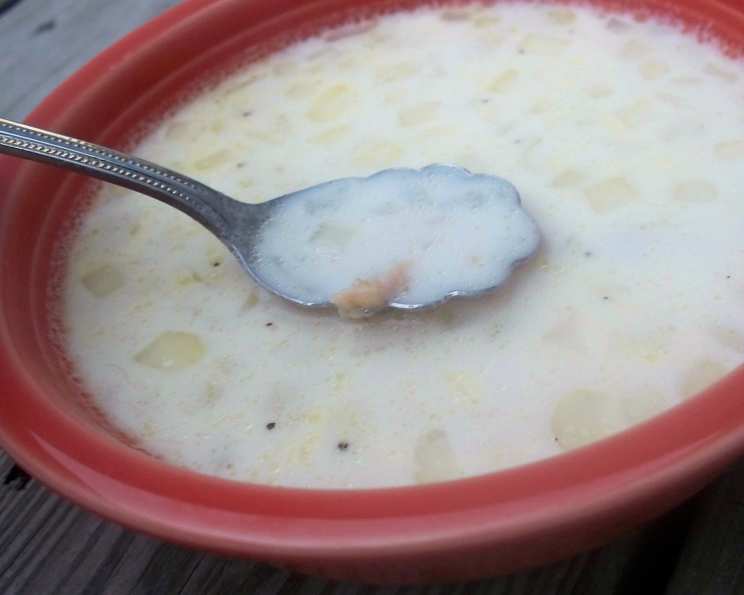
Chesapeake Clam Chowder: A Taste of the Bay
The first time I tasted real Chesapeake Clam Chowder, I was a child crabbing with my grandfather off the shores of Annapolis. The briny air, the rhythmic clang of the crab traps, and the anticipation of the catch all culminated in a steaming bowl of this creamy, comforting soup prepared by my grandmother. That rich, slightly sweet, undeniably clammy flavor is etched in my memory, a perfect representation of the Chesapeake Bay’s bounty and the love shared around our family table. This recipe, adapted from the Virginia Hospitality Cookbook, seeks to capture that essence, bringing a taste of the Bay to your own home.
Recipe Overview
- Prep Time: 20 minutes
- Cook Time: 30 minutes
- Total Time: 50 minutes
- Servings: 6
- Yield: About 8 cups
- Dietary Type: Varies (see Variations for Dairy-Free)
Ingredients
- 4 cups water
- 2 medium potatoes, diced
- 1 medium onion, minced
- 2 tablespoons bacon drippings
- 1 tablespoon salt
- 1 tablespoon sugar
- ½ teaspoon pepper
- 2 dozen fresh clams, drained (reserve clam juice if possible)
- 1 pint milk
Equipment Needed
- Large pot or Dutch oven
- Cutting board
- Knife
- Measuring cups and spoons
- Ladle
Instructions
- In a large pot or Dutch oven, bring the water to a boil over high heat.
- Add the diced potatoes and minced onion to the boiling water.
- Reduce the heat to medium and cook until the potatoes are tender, about 15-20 minutes. Test for doneness by piercing a potato cube with a fork; it should slide through easily.
- Stir in the bacon drippings, salt, sugar, and pepper.
- While the potatoes are cooking, prepare the clams. Shuck the fresh clams, reserving the clam juice. Roughly chop the clams into bite-sized pieces. If using pre-shucked clams, simply drain and chop.
- Add the chopped clams and any reserved clam juice to the pot.
- Cook for 10 minutes, stirring occasionally. This will allow the clams to cook through and release their flavor into the broth. Be careful not to overcook them, as they can become tough.
- Reduce the heat to low. Slowly pour in the milk, stirring constantly to prevent scorching.
- Continue to stir until the soup begins to thicken slightly. Do not allow the soup to boil after adding the milk, as this can cause it to curdle. The chowder is ready when it coats the back of a spoon. This should take about 5-10 minutes.
- Taste and adjust seasoning as needed. You may want to add a pinch more salt or pepper depending on your preference.
Expert Tips & Tricks
- Enhance the Clam Flavor: Don’t discard the clam juice! Reserved clam juice adds incredible depth of flavor to the chowder. If you don’t have enough clam juice from the fresh clams, you can supplement with bottled clam juice.
- Bacon Alternatives: If you don’t have bacon drippings, you can use butter or olive oil instead. For a smokier flavor, consider using a smoked paprika.
- Thickening the Chowder: If you prefer a thicker chowder, you can create a slurry by mixing 1 tablespoon of cornstarch with 2 tablespoons of cold milk. Stir the slurry into the chowder during the last few minutes of cooking.
- Preventing Curdling: Always add the milk slowly and stir constantly over low heat to prevent curdling. Do not boil the chowder after adding the milk.
- Adding a Touch of Spice: For a bit of heat, add a pinch of cayenne pepper or a dash of hot sauce to the chowder.
- Make-Ahead Tip: You can prepare the base of the chowder (up to the point of adding the milk) ahead of time. Store it in the refrigerator for up to 2 days. When ready to serve, gently reheat the base and then add the milk.
Serving & Storage Suggestions
Serve the Chesapeake Clam Chowder hot, garnished with a sprinkle of fresh parsley or chives. A side of crusty bread or oyster crackers is perfect for soaking up the delicious broth. A simple green salad also makes a great accompaniment.
Leftover chowder can be stored in an airtight container in the refrigerator for up to 3 days. To reheat, gently warm the chowder over low heat, stirring occasionally. Avoid boiling. The chowder can also be frozen for up to 2 months. Thaw it overnight in the refrigerator before reheating. Note that the texture of the chowder may change slightly after freezing.
Nutritional Information
| Nutrient | Amount per Serving | % Daily Value |
|---|---|---|
| Calories | 250 kcal | 13% |
| Total Fat | 12g | 18% |
| Saturated Fat | 7g | 35% |
| Cholesterol | 40mg | 13% |
| Sodium | 800mg | 35% |
| Total Carbohydrate | 25g | 8% |
| Dietary Fiber | 2g | 7% |
| Sugars | 5g | – |
| Protein | 13g | 26% |
Note: Nutritional information is an estimate and may vary based on specific ingredients and portion sizes.
Variations & Substitutions
- Dairy-Free Chowder: Substitute the milk with unsweetened almond milk or coconut milk for a dairy-free option. Note that the flavor will be slightly different.
- Gluten-Free Chowder: This recipe is naturally gluten-free. Just be sure to serve it with gluten-free bread or crackers if needed.
- Vegetable Additions: Feel free to add other vegetables to the chowder, such as celery, carrots, or corn. Add them to the pot along with the potatoes and onions.
- Seafood Medley: For a heartier chowder, add other types of seafood, such as shrimp or scallops. Add them during the last few minutes of cooking, as they cook quickly.
- Spicy Chowder: Add a pinch of red pepper flakes or a dash of hot sauce to the chowder for a spicy kick.
- New England Style: Add a bit of heavy cream instead of milk for a richer and creamier chowder, more akin to New England clam chowder.
FAQs (Frequently Asked Questions)
Q: Can I use canned clams instead of fresh clams?
A: Yes, you can use canned clams, but fresh clams will provide a superior flavor. If using canned clams, be sure to drain them well and reduce the amount of salt in the recipe accordingly.
Q: How do I know when the clams are cooked properly?
A: Fresh clams are cooked when their shells open. If using shucked clams, they are cooked when they become opaque and slightly firm. Avoid overcooking, as they can become tough.
Q: Can I freeze this chowder?
A: Yes, you can freeze this chowder, but the texture may change slightly upon thawing. It’s best to freeze it in individual portions for easy reheating.
Q: What if I don’t have bacon drippings?
A: You can substitute butter or olive oil for the bacon drippings. For a similar smoky flavor, consider adding a pinch of smoked paprika.
Q: How do I prevent the milk from curdling?
A: Add the milk slowly and stir constantly over low heat. Do not allow the chowder to boil after adding the milk.
Final Thoughts
I hope this recipe brings a taste of the Chesapeake Bay to your kitchen and creates lasting memories for you and your loved ones. Feel free to experiment with different variations and ingredients to make it your own. And most importantly, enjoy the process of creating something delicious and comforting! Whether you’re a seasoned chef or a beginner cook, I encourage you to give this recipe a try. Please share your feedback and any creative twists you come up with! Pair it with a crisp white wine for an authentic Chesapeake experience. Happy cooking!