
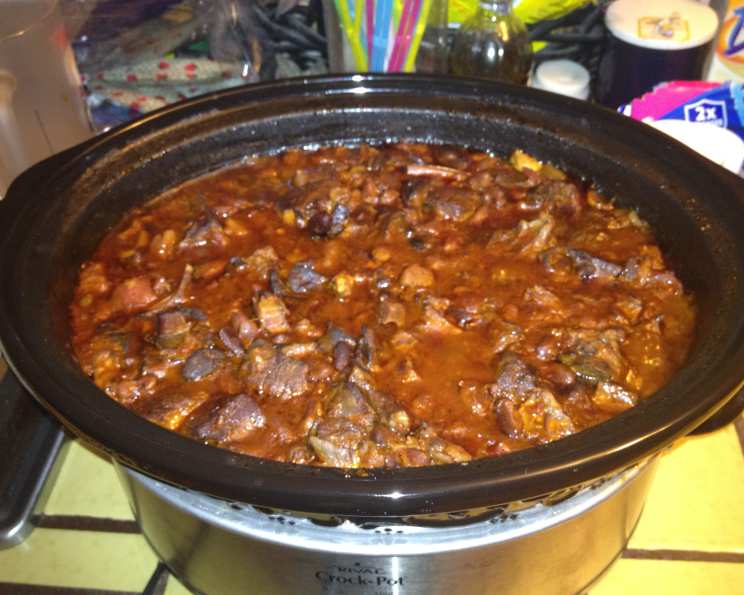
Savory Chevon Stew: A Hearty and Flavorful Delight
The first time I had chevon stew was at a tiny roadside “cookshop” in Jamaica. The aroma alone, a heady mix of warming spices and slow-cooked meat, drew me in. It was a simple dish, served in a chipped enamel bowl, but the taste was extraordinary. The tender goat meat, infused with the flavor of Scotch bonnet peppers and earthy herbs, simmered in a rich broth that warmed me from the inside out. I’ve been chasing that perfect chevon stew ever since, tweaking and refining my own recipe to capture the essence of that memorable meal.
Recipe Overview
- Prep Time: 30 minutes
- Cook Time: 1 hour 30 minutes
- Total Time: 2 hours (plus overnight soaking of beans)
- Servings: 6
- Yield: Approximately 8 cups
- Dietary Type: High-Protein
Ingredients
- 2 ½ lbs goat meat, cut into 1-2 inch pieces
- 1 tablespoon olive oil
- 1 medium onion, chopped
- 5 shallots, chopped
- 2 garlic cloves, chopped
- 2 teaspoons dried oregano
- 1 teaspoon fresh coarse ground black pepper
- 1 tablespoon beef base (such as Better Than Bouillon)
- 6 ounces tomato paste
- 48 ounces water
- 28 ounces Rotel tomatoes & chilies (mild, regular, or hot, depending on preference)
- 1 tablespoon adobo seasoning
- 3 cups dried navy beans, presoaked overnight
- 1 medium russet potato, roasted and diced
Equipment Needed
- Large nonreactive Dutch oven or heavy-bottomed pot
- Cutting board
- Chef’s knife
- Wooden spoon
- Measuring spoons and cups
Instructions
-
Prepare the Beans: The day before you plan to make the stew, place the 3 cups of dried navy beans in a large bowl or pot. Cover with plenty of cold water (at least twice the volume of the beans) and let them soak overnight (at least 8 hours). This helps soften the beans and reduces cooking time. Drain and rinse the soaked beans before using.
-
Prep the Aromatics: Finely chop 1 medium onion, 5 shallots, and 2 garlic cloves. Set aside in a bowl.
-
Brown the Goat: In a nonreactive Dutch oven or heavy pot, heat 1 tablespoon of olive oil over medium heat. Add the 2 ½ lbs of goat meat to the pot, working in batches if necessary to avoid overcrowding. Brown the goat meat on all four sides until it’s nicely seared. This step is crucial for developing deep flavor in the stew. Remove the browned goat meat from the pot and set aside.
-
Sauté the Aromatics: Reduce the heat to medium-low and add the chopped onions, shallots, and garlic to the pot. Stir frequently until the vegetables are translucent and slightly caramelized, about 5-7 minutes. This builds a sweet, savory base for the stew.
-
Develop the Base: Add 1 tablespoon of beef base and 6 ounces of tomato paste to the pot. Stir occasionally and let the tomato paste caramelize mildly, about 3-5 minutes. Be careful not to burn the tomato paste, as this will impart a bitter flavor. Turn down the heat if needed.
-
Add Liquids and Seasonings: Add 48 ounces of water, 28 ounces of Rotel tomatoes & chilies, 1 tablespoon of adobo seasoning, 2 teaspoons of dried oregano, and 1 teaspoon of fresh coarse ground black pepper to the pot. Gently stir with a wooden spoon to loosen any browned bits from the bottom of the pot.
-
Simmer with Goat: Return the browned goat meat to the pot. Bring the mixture to a simmer, then reduce the heat to low, cover, and simmer for 45 minutes.
-
Add Beans and Potatoes: Add the drained and rinsed 3 cups of presoaked navy beans and the diced 1 medium roasted russet potato to the stew. Stir gently to combine.
-
Final Simmer: Simmer the stew uncovered for another 45 minutes, stirring occasionally, until the goat meat is falling off the bones and the beans are tender.
-
Shred the Goat: Remove the goat meat from the stew and place it on a cutting board. Carefully remove any bones and shred the meat with two forks.
-
Combine and Serve: Return the shredded goat meat to the stew. Stir to combine and heat through. Serve hot with a side of romaine salad and a crusty baguette for soaking up the flavorful broth.
Expert Tips & Tricks
- Browning the Meat: Don’t skip browning the goat meat! This step creates a Maillard reaction, resulting in complex, savory flavors that are essential to the stew’s richness. Ensure the pan is hot enough before adding the meat, and don’t overcrowd the pan, as this will steam the meat instead of browning it.
- Choosing Rotel: The type of Rotel tomatoes & chilies you choose (mild, regular, or hot) will determine the spiciness of the stew. If you’re sensitive to heat, opt for the mild version. For a bolder flavor, try the hot variety. You can also adjust the amount of black pepper to control the overall spiciness.
- Roasting the Potatoes: Roasting the potato beforehand intensifies its flavor and helps it hold its shape better in the stew. Simply toss diced potato with olive oil, salt, and pepper, and roast at 400°F (200°C) until tender and slightly browned.
- Slow and Low: The key to tender goat meat is slow cooking at a low temperature. This allows the collagen in the meat to break down, resulting in a melt-in-your-mouth texture.
- Make Ahead: This stew is even better the next day, as the flavors have had time to meld together. You can make it a day or two in advance and store it in the refrigerator until ready to serve.
Serving & Storage Suggestions
Serve the chevon stew hot, garnished with fresh cilantro or parsley, if desired. A dollop of sour cream or plain yogurt can also add a creamy element. This stew pairs well with a simple romaine salad dressed with a vinaigrette and a crusty baguette for soaking up the flavorful broth.
Leftover stew can be stored in an airtight container in the refrigerator for up to 3-4 days. For longer storage, freeze the stew in freezer-safe containers for up to 2-3 months. Thaw overnight in the refrigerator before reheating.
To reheat, gently warm the stew in a saucepan over medium-low heat, stirring occasionally, until heated through. You may need to add a splash of water or broth if the stew has thickened too much during storage.
Nutritional Information
| Nutrient | Amount per Serving | % Daily Value |
|---|---|---|
| Calories | 670 kcal | N/A |
| Calories from Fat | 76 g | 11% |
| Total Fat | 8.5 g | 13% |
| Saturated Fat | 1.9 g | 9% |
| Cholesterol | 107.7 mg | 35% |
| Sodium | 945.2 mg | 39% |
| Total Carbohydrate | 84.9 g | 28% |
| Dietary Fiber | 27.9 g | 111% |
| Sugars | 8.6 g | 34% |
| Protein | 65.8 g | 131% |
Note: Nutritional information is an estimate and may vary based on specific ingredients and cooking methods.
Variations & Substitutions
- Spicier Stew: For a spicier stew, add a chopped Scotch bonnet pepper (use with caution!) or a pinch of cayenne pepper along with the other seasonings.
- Different Beans: If you don’t have navy beans, you can substitute Great Northern beans, cannellini beans, or even pinto beans.
- Vegetable Additions: Feel free to add other vegetables to the stew, such as carrots, celery, or bell peppers. Add them along with the onions, shallots, and garlic.
- Herb Variations: Experiment with different herbs, such as thyme, rosemary, or bay leaf, to customize the flavor profile of the stew.
FAQs (Frequently Asked Questions)
Q: Can I use a slow cooker for this recipe?
A: Yes, you can adapt this recipe for a slow cooker. Brown the goat meat as directed, then transfer all ingredients to the slow cooker. Cook on low for 6-8 hours, or on high for 3-4 hours, until the meat is very tender.
Q: Do I have to presoak the navy beans?
A: While not strictly necessary, presoaking the navy beans helps to shorten the cooking time and improve their texture. If you don’t have time to presoak, you can use canned navy beans, but be sure to rinse them well before adding them to the stew.
Q: Can I use a different cut of goat meat?
A: Yes, you can use different cuts of goat meat, such as goat shoulder or leg. Just be sure to trim off any excess fat before browning.
Q: How do I know when the goat meat is done?
A: The goat meat is done when it is very tender and easily falls off the bones. You should be able to shred it easily with two forks.
Q: Can I make this stew vegetarian?
A: While this recipe is specifically for chevon (goat) stew, you could adapt it to be vegetarian by using vegetable broth instead of water and omitting the goat meat. Add additional vegetables, such as mushrooms or eggplant, for a heartier stew.
Final Thoughts
This chevon stew is more than just a recipe; it’s a journey of flavors, a comforting embrace on a chilly evening, and a reminder of the simple pleasures of good food shared with loved ones. Don’t be intimidated by the ingredient list or the cook time. Each step is straightforward, and the end result is well worth the effort. I encourage you to give this recipe a try, experiment with different variations, and make it your own. And when you do, please share your feedback – I’d love to hear how it turned out! Perhaps pair it with a crisp glass of red wine and good company for an unforgettable meal.