
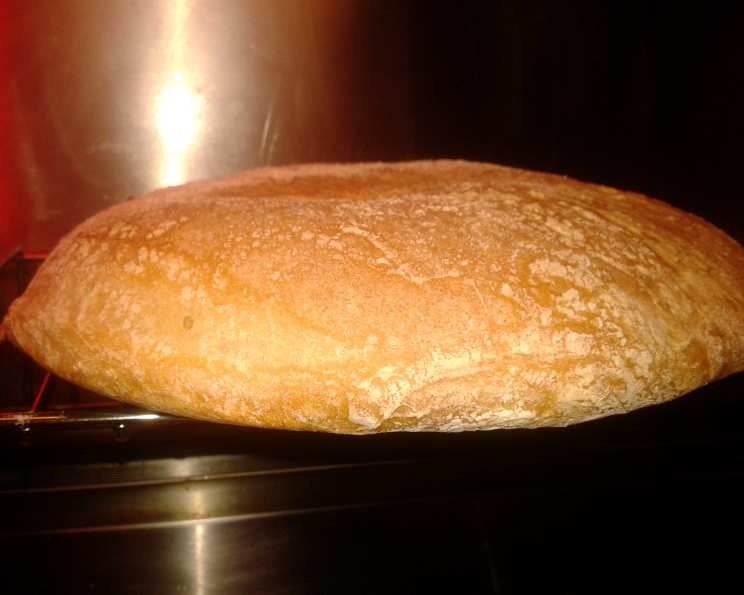
Chewy Italian Bread: A Labor of Love, a Symphony of Flavor
I still remember the aroma that filled my grandmother’s small kitchen whenever she baked bread. It wasn’t just sustenance; it was an act of love, a connection to our heritage. This Chewy Italian Bread, with its delightfully crisp crust and airy, almost impossibly chewy interior, evokes that same warmth and sense of home. It takes time and attention, but the reward is a loaf that transforms simple sandwiches into culinary experiences, and makes any meal feel special.
Recipe Overview
- Prep Time: 45 minutes (plus Biga preparation)
- Cook Time: 30-35 minutes
- Total Time: 8 hours (including rising time)
- Yields: 1 1/2 pound loaf
- Serves: 8-10
- Dietary Type: Not suitable for gluten-free diets
Ingredients
For the Biga (Starter):
- ¼ teaspoon active dry yeast
- ¼ cup warm water
- ¾ cup flour (all-purpose or bread flour)
For the Dough:
- 1 teaspoon active dry yeast
- ¼ cup warm water
- 1 cup ice cold water, divided
- 2 ¾ cups flour (all-purpose or bread flour), plus ¼ cup more for dusting
- 2 teaspoons salt
Equipment Needed
- Glass bowl
- Plastic wrap
- Large mixing bowl
- Electric mixer (stand mixer recommended)
- Paddle attachment
- Dough hook attachment
- Oiled 2-quart bowl
- Large baking stone or large baking sheet
- Wire rack
- 14″ x 17″ piece of stiff cardboard or unedged baking sheet
Instructions
- Prepare the Biga: In a small bowl, combine ¼ teaspoon yeast and ¼ cup warm water. Let stand for about 5 minutes, or until the yeast is dissolved and slightly foamy.
- Add ¾ cup flour to the yeast mixture and mix until completely moistened. Gather the mixture into a ball.
- Place the biga ball into a glass bowl, cover tightly with plastic wrap, and let it sit at room temperature for 3-5 hours, or until very bubbly and tripled in size. This fermentation process is crucial for developing the bread’s unique flavor and texture.
- Activate the Yeast for the Dough: In a separate small bowl, combine 1 teaspoon yeast and ¼ cup warm water. Let stand for about 5 minutes, until the yeast is dissolved and foamy.
- Combine the Ingredients: In a large mixing bowl (preferably the bowl of a stand mixer), place the biga. Add ¼ cup ice cold water and mix on low speed with the paddle attachment until the biga is smooth.
- Add the yeast mixture from Step 4, the salt, and the remaining ¾ cup ice cold water to the bowl. Mix until all ingredients are well blended.
- Add the Flour: Gradually add 2 ¾ cups flour to the mixture. Beat on medium speed until well blended.
- Knead the Dough: Switch to the dough hook attachment. Beat on medium speed until the dough is very smooth and elastic, about 12-15 minutes. Be patient! The dough will be very sticky, but this is essential for the chewy texture.
- First Rise: Scrape the dough into an oiled 2-quart bowl. Wrap the bowl with plastic wrap and let the dough rise in a warm place until tripled in size, approximately 3 hours.
- Shape the Loaf: Generously sprinkle a clean work surface with flour. Scrape the dough onto the floured surface.
- With floured hands, gently fold the dough in half and pinch a seam to seal. Turn the dough over and form it into a 12-13 inch smooth log.
- Second Rise: Lightly sprinkle the loaf with flour. Cover it loosely with plastic wrap and let it stand until puffy, about 30 minutes.
- Preheat the Oven: While the dough is rising for the second time, place a large baking stone (or a large baking sheet) in the oven. Preheat the oven to 425°F (220°C) and let it heat for at least 30 minutes. The hot stone or sheet is vital for achieving a crisp crust.
- Transfer to Baking Stone: Flour a 14″ x 17″ piece of stiff cardboard or an unedged baking sheet. Gently lift the dough onto it, stretching the dough out to about 16 inches long.
- Bake: Shake the floured board or sheet to slide the dough diagonally onto the preheated baking stone or baking sheet in the oven.
- Bake until the bread is a deep golden brown, about 30-35 minutes.
- Cool: Transfer the baked bread to a wire rack and let it cool completely before slicing. This is crucial for allowing the crumb to set properly.
Expert Tips & Tricks
- Don’t rush the Biga: The extended fermentation of the biga is what gives this bread its depth of flavor. Plan ahead and allow ample time for it to develop.
- Use ice water: The cold water helps to control the dough’s temperature during mixing and keeps the gluten from becoming too relaxed.
- Don’t be afraid of sticky dough: This dough is meant to be sticky. Resist the urge to add more flour, as this will result in a denser loaf.
- The poke test: To check if the loaf is done, insert a thermometer into the center. It should register around 200-210°F (93-99°C). You can also tap the bottom of the loaf; it should sound hollow.
- If you don’t have a baking stone, you can use an overturned baking sheet.
Serving & Storage Suggestions
This Chewy Italian Bread is fantastic served warm with a drizzle of olive oil and a sprinkle of sea salt. It also makes incredible sandwiches, bruschetta, or even just toasted with butter. Store the cooled loaf in a bread bag at room temperature for up to 2 days. For longer storage, wrap tightly in plastic wrap and freeze for up to 2 months. To reheat, thaw completely and bake in a preheated oven at 350°F (175°C) for 10-15 minutes, or until warmed through.
Nutritional Information
| Nutrient | Amount per Serving | % Daily Value |
|---|---|---|
| Calories | 215.3 kcal | N/A |
| Calories from Fat | 5 g | 3% |
| Total Fat | 0.6 g | 0% |
| Saturated Fat | 0.1 g | 0% |
| Cholesterol | 0 mg | 0% |
| Sodium | 584.2 mg | 24% |
| Total Carbohydrate | 45 g | 14% |
| Dietary Fiber | 1.8 g | 7% |
| Sugars | 0.2 g | 0% |
| Protein | 6.3 g | 12% |
Note: Nutritional information is an estimate and may vary based on specific ingredients and preparation methods.
Variations & Substitutions
- Whole Wheat Variation: Replace up to half of the all-purpose flour with whole wheat flour for a nuttier flavor and denser texture.
- Herb Infusion: Add 1-2 tablespoons of finely chopped fresh herbs, such as rosemary, thyme, or oregano, to the dough during the kneading process.
- Garlic Bread Twist: Brush the baked loaf with garlic-infused olive oil while it’s still warm.
- Seeded Loaf: Sprinkle the loaf with sesame seeds, poppy seeds, or a mixture of both before baking.
FAQs (Frequently Asked Questions)
Q: Why is the biga important?
A: The biga is a pre-ferment that adds complexity and depth of flavor to the bread. It also helps to create a more open and airy crumb.
Q: Can I use a different type of flour?
A: All-purpose or bread flour works best for this recipe. You can experiment with other types of flour, but it may affect the texture and rise of the bread.
Q: What if my dough isn’t rising?
A: Make sure your yeast is fresh and active. Also, ensure that the dough is in a warm, draft-free place to rise.
Q: Can I make this bread without a stand mixer?
A: Yes, but it will require a lot more elbow grease! Knead the dough by hand on a floured surface for about 20-25 minutes, or until it is smooth and elastic.
Q: How do I get a really crispy crust?
A: Using a baking stone and preheating it thoroughly is key. You can also try spraying the oven with water a few times during the first 10 minutes of baking to create steam.
Final Thoughts
Baking this Chewy Italian Bread is an investment in time, but the reward is a loaf that surpasses anything you can buy in a store. It’s a testament to the simple magic of flour, water, yeast, and a little patience. Gather your ingredients, embrace the process, and prepare to be amazed by the deliciousness you can create. I encourage you to try this recipe and share your feedback. Pair it with a hearty bowl of pasta or a simple salad for a complete and satisfying meal. Buon appetito!