
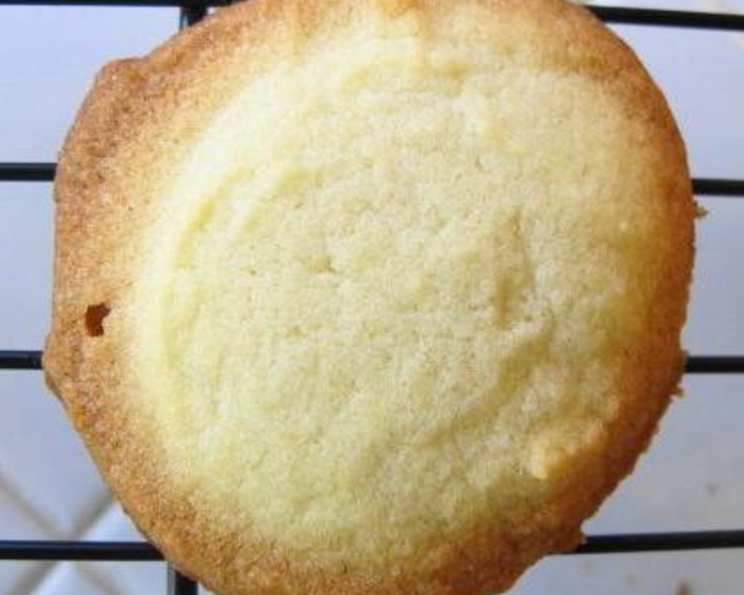
Chicago Public School Cafeteria Butter Cookies: A Nostalgic Treat
The scent alone transports me back. Walking into my elementary school cafeteria, the comforting aroma of warm butter and sugar would mingle with the lunchtime cacophony. It wasn’t the pizza or even the questionable mystery meat that truly captivated me; it was the humble butter cookie. Each bite was a small, sweet escape from fractions and spelling tests, a little square of golden perfection I’ve craved ever since.
Recipe Overview
- Prep Time: 15 minutes
- Cook Time: 12-15 minutes
- Total Time: Approximately 30 minutes
- Yields: Approximately 2 dozen cookies
- Dietary Type: Not specified
Ingredients
- 1 cup softened butter
- 2/3 cup granulated sugar
- 2 cups all-purpose flour
- 2 tablespoons all-purpose flour
- 2 teaspoons vanilla extract
- 1 pinch salt
- 4 teaspoons sugar (optional), for coating
Equipment Needed
- Mixing bowl
- Electric mixer (optional, but recommended)
- Cookie sheets
- Measuring cups and spoons
- Small cookie scoop (optional)
- Glass or measuring cup with a flat bottom
Instructions
-
Begin by preheating your oven to 350 degrees Fahrenheit (175 degrees Celsius). This is crucial for even baking.
-
In a large mixing bowl, cream together the softened butter and granulated sugar until the mixture is light and fluffy. This step is essential for incorporating air into the dough, resulting in a tender cookie. An electric mixer makes this process much easier, but you can certainly do it by hand. Just make sure the butter is truly softened for optimal results.
-
Mix in the vanilla extract until it is fully incorporated. The vanilla enhances the buttery flavor of the cookies.
-
Gradually mix in the all-purpose flour, a little at a time, until just combined. Be careful not to overmix the dough, as this can develop the gluten in the flour and lead to tough cookies. The recipe calls for a seemingly unusual amount of flour – 2 cups plus 2 tablespoons. Ensure that you include the 2 tablespoons to achieve the correct dough consistency. Add a pinch of salt to enhance the other flavors.
-
Using a small cookie scoop (or a spoon), roll the dough into balls and place them on ungreased cookie sheets. The size of the balls will determine the final size of your cookies.
-
Slightly flatten each cookie on the baking sheet. This helps them bake evenly and creates a more uniform shape.
-
If desired, for that classic cafeteria touch, flatten the cookies with the bottom of a glass dipped in sugar. To do this, place some of the optional 4 teaspoons of sugar into a small bowl or plate. Dip the bottom of a glass or measuring cup into the sugar and then gently press it onto each cookie to flatten it. This creates a delightful sugary crust.
-
Bake for approximately 12-15 minutes, or until the edges are golden brown. Keep a close eye on the cookies, as baking times can vary depending on your oven. The cookies should be firm to the touch and have a slightly golden color.
-
Once baked, remove the cookies from the oven and let them cool on the cookie sheets for a few minutes before transferring them to a wire rack to cool completely. This prevents them from breaking while they are still soft.
Expert Tips & Tricks
- Softened Butter is Key: Make sure your butter is truly softened, but not melted. If it’s melted, the cookies will spread too thin. The ideal consistency is when you can easily press a finger into it, leaving an indent.
- Don’t Overmix: Overmixing the dough develops the gluten in the flour, resulting in tough cookies. Mix until just combined.
- Chill for Firmer Cookies: If you prefer a slightly firmer cookie, chill the dough for 30 minutes before baking. This will also help prevent spreading.
- Even Baking: For even baking, use the middle rack of your oven. If your oven tends to bake unevenly, rotate the cookie sheets halfway through the baking time.
- Flavor Variations: Experiment with adding a touch of lemon zest or almond extract to the dough for a different flavor profile.
Serving & Storage Suggestions
These butter cookies are best enjoyed fresh, but they can be stored in an airtight container at room temperature for up to 3-4 days. For longer storage, you can freeze them for up to 2 months. To freeze, place the cooled cookies in a single layer on a baking sheet and freeze until solid. Then, transfer them to a freezer-safe bag or container. Thaw at room temperature before serving. They are delicious on their own or served with a glass of milk, a cup of coffee, or tea. They also make a lovely addition to a cookie platter.
Nutritional Information
Note: Nutritional information is an estimate and may vary based on specific ingredients and portion sizes.
| Nutrient | Amount per Cookie | % Daily Value |
|---|---|---|
| Calories | 130.5 kcal | N/A |
| Total Fat | 7.8 g | 11% |
| Saturated Fat | 4.9 g | 24% |
| Cholesterol | 20.3 mg | 6% |
| Sodium | 74.3 mg | 3% |
| Total Carbohydrate | 14 g | 4% |
| Dietary Fiber | 0.3 g | 1% |
| Sugars | 5.6 g | N/A |
| Protein | 1.2 g | 2% |
Variations & Substitutions
- Gluten-Free: Substitute the all-purpose flour with a gluten-free blend. You may need to adjust the liquid slightly, so add a tablespoon of non-dairy milk if the dough seems too dry.
- Dairy-Free: Use a vegan butter substitute in place of the regular butter. Make sure it’s one that’s designed for baking, as some vegan butters have a higher water content.
- Chocolate Chip: Add 1/2 cup of mini chocolate chips to the dough for a chocolatey twist.
- Sprinkles: Instead of sugar, dip the glass in sprinkles before flattening for a festive touch.
- Spice it up: Add 1/2 teaspoon of cinnamon or nutmeg to the dough for a warm, spiced cookie.
FAQs (Frequently Asked Questions)
Q: Can I use unsalted butter instead of salted butter?
A: Yes, you can use unsalted butter. Just add an extra 1/4 teaspoon of salt to the dough to compensate.
Q: My cookies are spreading too thin. What am I doing wrong?
A: The most common reason for cookies spreading too thin is that the butter was too warm. Make sure your butter is softened, but not melted. Chilling the dough before baking can also help.
Q: Can I double this recipe?
A: Absolutely! Simply double all the ingredients to make a larger batch.
Q: How do I know when the cookies are done?
A: The cookies are done when the edges are golden brown and the tops are set. They should be firm to the touch.
Q: Can I freeze the cookie dough?
A: Yes, you can freeze the cookie dough. Roll the dough into balls, place them on a baking sheet, and freeze until solid. Then, transfer them to a freezer-safe bag or container. When ready to bake, thaw the dough slightly and bake as directed.
Final Thoughts
Recreating these Chicago Public School Cafeteria Butter Cookies has been a delicious trip down memory lane. The simple ingredients and straightforward instructions make them a perfect baking project for any skill level. I encourage you to try this recipe and experience the comforting flavors for yourself. Whether you share them with friends and family or savor them in solitude with a warm beverage, I hope these cookies bring you as much joy as they brought me. And if you have any variations or tips of your own, please share them in the comments below! Happy Baking!