
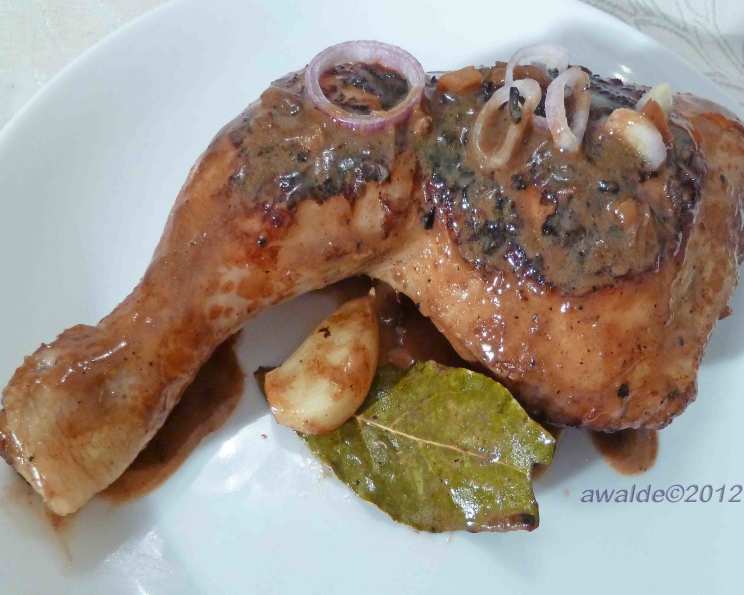
Chicken Adobo: A Taste of Home, Elevated
The aroma alone transports me back to my grandmother’s kitchen. I can almost see her now, her weathered hands expertly maneuvering around the wok, the sweet and savory scent of adobo permeating every corner of the house. This wasn’t just dinner; it was a symbol of family, of comfort, and of the enduring power of simple ingredients transformed into something extraordinary. While her recipe remains a closely guarded family secret, this version, inspired by Cook’s Illustrated, captures the essence of that cherished flavor memory, with a refined technique that elevates the classic to new heights.
Recipe Overview
- Prep Time: 30 minutes (plus marinating time)
- Cook Time: 42 minutes
- Total Time: 1 hour 12 minutes
- Servings: 4
- Yield: 4 servings
- Dietary Type: Dairy-Free
Ingredients
- 8 bone-in chicken thighs, 5 to 7 oz each
- 1/3 cup soy sauce
- 1 (13 1/2 ounce) can coconut milk
- 3/4 cup cider vinegar
- 8 garlic cloves, peeled
- 4 bay leaves
- 2 teaspoons ground pepper
- 1 scallion, thinly sliced
Equipment Needed
- Large bowl
- 12-inch non-stick skillet
- Plate
- Aluminum foil
- Platter
Instructions
-
In a large bowl, toss the chicken with the soy sauce. Ensure each thigh is thoroughly coated. Refrigerate for at least 30 minutes and up to 1 hour. This marinating process infuses the chicken with the salty umami notes of the soy sauce, laying the foundation for a deeply flavorful dish.
-
Remove the chicken from the soy sauce, allowing any excess to drip back into the bowl. Carefully transfer the chicken thighs, skin-side down, to a 12-inch non-stick skillet. Set the reserved soy sauce aside.
-
Place the skillet over medium-high heat. Cook the chicken until the skin is deeply browned and crispy, about 7 to 10 minutes. This step is crucial for rendering the fat from the skin and creating a rich, flavorful base for the adobo. Don’t rush this step; the browned skin contributes significantly to the overall taste and texture.
-
While the chicken is browning, prepare the braising liquid. In the bowl with the reserved soy sauce, whisk together the coconut milk, cider vinegar, garlic, bay leaves, and pepper. Make sure everything is well combined. For enhanced flavor, consider finely chopping or mincing the garlic before adding it to the mixture.
-
Transfer the browned chicken to a plate. Carefully discard the fat from the skillet. Return the chicken to the skillet, skin-side down. Pour the coconut milk mixture over the chicken, ensuring the thighs are mostly submerged. Bring the mixture to a boil over medium-high heat.
-
Once boiling, reduce the heat to medium-low and simmer, uncovered, for 20 minutes. Then, carefully flip the chicken so the skin side is now facing up. Continue to cook, uncovered, until the chicken is cooked through, about 15 minutes longer (an internal temperature of 175°F is recommended). The simmering process allows the flavors to meld together, creating a tender and succulent result.
-
Transfer the cooked chicken to a platter and tent loosely with aluminum foil to keep warm while you finish the sauce.
-
Remove the bay leaves from the skillet. Using a spoon, skim any excess fat off the surface of the sauce. Return the skillet to medium-high heat and cook the sauce until it has thickened to your desired consistency, about 5 to 7 minutes. This reduction step concentrates the flavors, creating a rich and glossy sauce that perfectly complements the chicken.
-
Pour the thickened sauce over the chicken, sprinkle with the sliced scallion, and serve immediately.
Expert Tips & Tricks
- Marinating Time Matters: Don’t skip the marinating step! It’s key to infusing the chicken with flavor. If you’re short on time, even 30 minutes makes a difference.
- Browning is Gold: Achieving deeply browned chicken skin is essential. It adds depth of flavor and a desirable textural contrast.
- Skimming the Fat: Don’t be afraid to skim the fat from the sauce. It results in a cleaner, brighter flavor profile.
- Sauce Consistency: Adjust the sauce reduction time to achieve your preferred consistency. For a thicker sauce, simmer for a longer period.
- Garlic Love: Experiment with different garlic preparations. Roasted garlic can add a mellow sweetness, while a quick garlic confit can bring a luxurious richness.
Serving & Storage Suggestions
Serve Chicken Adobo hot, garnished with fresh scallions for a pop of color and freshness. It pairs beautifully with steamed rice, coconut rice, or even mashed potatoes for a comforting meal.
Leftovers can be stored in an airtight container in the refrigerator for up to 3-4 days. To reheat, gently warm the chicken and sauce in a skillet over medium heat, or microwave until heated through. If the sauce has thickened too much during refrigeration, add a splash of water or chicken broth to loosen it up.
For longer storage, the adobo can be frozen for up to 2-3 months. Thaw overnight in the refrigerator before reheating.
Nutritional Information
| Nutrient | Amount per Serving | % Daily Value |
|---|---|---|
| Calories | 790 kcal | N/A |
| Total Fat | 45g | 69% |
| Saturated Fat | 24g | 117% |
| Cholesterol | 158mg | 52% |
| Sodium | 1522mg | 63% |
| Carbohydrate | 58g | 19% |
| Fiber | 1g | 3% |
| Sugar | 52g | N/A |
| Protein | 37g | 73% |
Note: Nutritional information is an estimate and can vary based on specific ingredients and portion sizes.
Variations & Substitutions
- Vinegar Variety: While cider vinegar is recommended, you can experiment with other vinegars like white vinegar, rice vinegar, or even cane vinegar for a more authentic Filipino flavor. Adjust the amount to taste, as some vinegars are more acidic than others.
- Spice It Up: Add a pinch of red pepper flakes or a finely chopped chili pepper to the sauce for a touch of heat.
- Sweetness Boost: A tablespoon of brown sugar or honey can be added to the sauce for a sweeter flavor profile.
- Pork Adobo: Substitute the chicken thighs with pork belly or pork shoulder for a richer, more decadent version.
- Vegetarian Adobo: Use firm tofu or jackfruit as a vegetarian alternative. Be sure to press the tofu well to remove excess moisture before cooking.
FAQs (Frequently Asked Questions)
Q: Can I use chicken breasts instead of thighs?
A: While chicken thighs are recommended for their higher fat content and richer flavor, you can use chicken breasts. However, be mindful that they may dry out more easily, so reduce the cooking time accordingly.
Q: Can I make this recipe in a slow cooker?
A: Yes, this recipe can be adapted for a slow cooker. Brown the chicken skin in a skillet first, then transfer all ingredients to the slow cooker. Cook on low for 6-8 hours or on high for 3-4 hours, or until the chicken is tender.
Q: What if I don’t have coconut milk?
A: While coconut milk adds a distinctive richness to the adobo, you can substitute it with chicken broth or water in a pinch. However, the flavor will be slightly different.
Q: Can I add vegetables to the adobo?
A: Absolutely! Adding vegetables like potatoes, carrots, or bell peppers can make it a more complete meal. Add them to the skillet along with the coconut milk mixture and adjust the cooking time as needed.
Q: How do I know when the chicken is cooked through?
A: The safest way to ensure the chicken is cooked through is to use a meat thermometer. Insert the thermometer into the thickest part of the thigh, avoiding the bone. The internal temperature should reach 175°F.
Final Thoughts
Chicken Adobo, in all its variations, is more than just a dish; it’s a culinary journey, a story told through the language of flavor. This particular rendition, drawing inspiration from the meticulous approach of Cook’s Illustrated, offers a refined yet accessible take on the beloved classic. So, gather your ingredients, embrace the process, and prepare to be transported. I encourage you to try this recipe, experiment with your favorite variations, and share your own adobo stories with friends and family. After all, food is best enjoyed when shared. Pair this delightful dish with a light and crisp Sauvignon Blanc or a refreshing Filipino-style fruit salad for a complete and satisfying meal.