
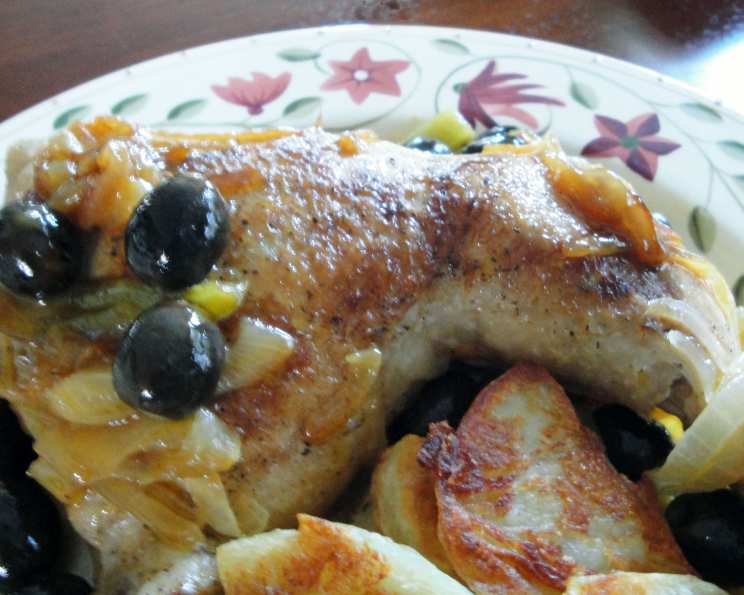
Chicken Argentina: A Taste of South American Sunshine
The aroma still takes me back. I remember being a young culinary student, fortunate enough to spend a summer working in a bustling Buenos Aires kitchen. One evening, the head chef, a woman with eyes that twinkled like the city lights and hands that moved with the grace of a tango dancer, taught me this dish. The blend of bright citrus, savory olives, and the subtle nuttiness of toasted almonds immediately transported me to a sun-drenched Argentinian patio, filled with laughter and the promise of a memorable meal. It’s a dish that captures the spirit of Argentina in every bite: vibrant, comforting, and utterly delicious.
Recipe Overview
- Prep Time: 45 minutes (includes marinating time)
- Cook Time: 30 minutes
- Total Time: 1 hour 15 minutes
- Servings: 4
- Dietary Type: Gluten-Free
Ingredients
- 3 lbs chicken pieces
- 1 lime, juice of (about 2 tablespoons)
- Salt, to taste
- Pepper, to taste
- ¼ cup oil
- 1 large onion, sliced
- 1 green bell pepper, chopped
- 1 ½ cups pitted ripe olives
- 1 ½ cups orange juice
- ½ cup toasted slivered almonds
Equipment Needed
- Large Skillet
- Serving Platter
Instructions
- In a bowl, combine the chicken pieces with the juice of one lime (approximately 2 tablespoons). Allow the chicken to marinate in the refrigerator for at least 30 minutes. This step helps to tenderize the chicken and infuse it with a bright citrus flavor.
- After the marinating period, lightly season the chicken with salt and pepper, to taste. Be mindful not to over-salt, as the olives will also contribute saltiness to the dish.
- Heat ¼ cup of oil in a large skillet over medium-high heat. Make sure the skillet is large enough to accommodate all the chicken pieces without overcrowding. If necessary, work in batches.
- Carefully add the chicken to the hot skillet and brown on all sides. Browning the chicken creates a flavorful crust and adds depth to the overall dish. This process typically takes about 8-10 minutes.
- Once the chicken is browned, add the sliced onion, chopped green bell pepper, and pitted ripe olives to the skillet. Cook for about 5 minutes, stirring occasionally, until the onion becomes translucent and the bell pepper softens slightly.
- Pour 1 ½ cups of orange juice into the skillet, ensuring it evenly coats the chicken and vegetables. The orange juice will create a delicious, slightly sweet and tangy sauce that perfectly complements the other flavors.
- Reduce the heat to low, cover the skillet, and simmer for 30 minutes, or until the chicken is tender and cooked through. To check for doneness, insert a meat thermometer into the thickest part of a chicken piece. The internal temperature should reach 165°F (74°C).
- Once the chicken is cooked through, remove it from the skillet and transfer it to a serving platter.
- Pour the pan juices over the chicken on the platter. This flavorful sauce is the perfect accompaniment to the tender chicken and vegetables.
- Sprinkle ½ cup of toasted slivered almonds over the chicken and sauce. The toasted almonds add a delightful crunch and nutty flavor, completing the dish.
Expert Tips & Tricks
- Don’t skip the marinating step! The lime juice not only adds flavor but also helps to tenderize the chicken, resulting in a more succulent dish.
- Browning is key. Taking the time to properly brown the chicken creates a rich, savory flavor that is essential to the overall taste of the dish.
- Use good quality olives. The flavor of the olives will significantly impact the final result. Opt for plump, ripe olives with a good brine.
- Toast your almonds! Toasting the almonds enhances their nutty flavor and adds a delightful crunch. You can toast them in a dry skillet over medium heat for a few minutes, or in the oven at 350°F (175°C) for 5-7 minutes. Watch them carefully to prevent burning.
- Adjust sweetness as needed. If you prefer a less sweet sauce, you can add a splash of chicken broth or a squeeze of lime juice to balance the flavors.
- For a richer sauce, stir in a tablespoon of butter or olive oil at the end of cooking.
Serving & Storage Suggestions
Chicken Argentina is best served warm, immediately after cooking. It makes a fantastic main course, especially when paired with rice, quinoa, or mashed potatoes to soak up the delicious sauce. A simple green salad or grilled vegetables also make excellent side dishes.
Leftovers can be stored in an airtight container in the refrigerator for up to 3 days. To reheat, gently warm the chicken in a skillet over low heat, adding a splash of chicken broth or orange juice if needed to prevent it from drying out. The sauce can also be reheated separately in a saucepan.
While it’s not ideal, this dish can be frozen. However, the texture of the olives and bell peppers may change slightly after freezing. If freezing, allow the chicken and sauce to cool completely before transferring them to a freezer-safe container. Thaw overnight in the refrigerator before reheating.
Nutritional Information
| Nutrient | Amount per Serving | % Daily Value |
|---|---|---|
| Calories | 766.6 kcal | N/A |
| Calories from Fat | 514 g | 67% |
| Total Fat | 57.1 g | 87% |
| Saturated Fat | 12 g | 59% |
| Cholesterol | 155.2 mg | 51% |
| Sodium | 519 mg | 21% |
| Total Carbohydrate | 21.6 g | 7% |
| Dietary Fiber | 4.6 g | 18% |
| Sugars | 10.8 g | N/A |
| Protein | 43.2 g | 86% |
Note: Nutritional information is an estimate and may vary depending on specific ingredients and portion sizes.
Variations & Substitutions
- Spicy Kick: Add a pinch of red pepper flakes or a chopped jalapeno to the skillet along with the onion and bell pepper for a spicy twist.
- Herbaceous: Stir in some fresh herbs like oregano, thyme, or parsley towards the end of cooking for added flavor.
- Different Protein: While this recipe is designed for chicken, you could also use bone-in pork chops or even firm white fish fillets. Adjust cooking time accordingly.
- Vegetarian Option: Substitute the chicken with firm tofu cubes or hearty vegetables like eggplant and zucchini for a vegetarian version.
- Citrus Variations: Experiment with different citrus juices, such as grapefruit or tangerine, for a unique flavor profile.
FAQs (Frequently Asked Questions)
Q: Can I use boneless, skinless chicken breasts for this recipe?
A: Yes, you can use boneless, skinless chicken breasts, but be sure to adjust the cooking time accordingly as they will cook faster. Keep an eye on them to prevent them from drying out.
Q: What type of olives are best for Chicken Argentina?
A: Pitted ripe olives are traditionally used in this dish, but you can experiment with other types of olives, such as Kalamata or Castelvetrano, for a different flavor profile.
Q: Can I make this dish ahead of time?
A: Yes, you can prepare the Chicken Argentina up to 24 hours in advance. Store it in an airtight container in the refrigerator and reheat it gently before serving.
Q: How do I prevent the chicken from drying out during cooking?
A: Make sure to keep the skillet covered while simmering, and don’t overcook the chicken. Use a meat thermometer to check for doneness, and remove the chicken from the skillet as soon as it reaches an internal temperature of 165°F (74°C).
Q: Can I add other vegetables to this dish?
A: Absolutely! Feel free to add other vegetables such as mushrooms, carrots, or potatoes to the skillet along with the onion and bell pepper.
Final Thoughts
Chicken Argentina is more than just a recipe; it’s an experience. It’s a journey to the heart of South American flavors, a celebration of simple ingredients transformed into a culinary masterpiece. I encourage you to try this recipe and bring a taste of Argentina to your own kitchen. Don’t be afraid to experiment with variations and make it your own. And please, share your creations and feedback – I’d love to hear about your experience! Serve with a crisp glass of Argentinian Torrontés wine for the perfect pairing. ¡Buen provecho!