
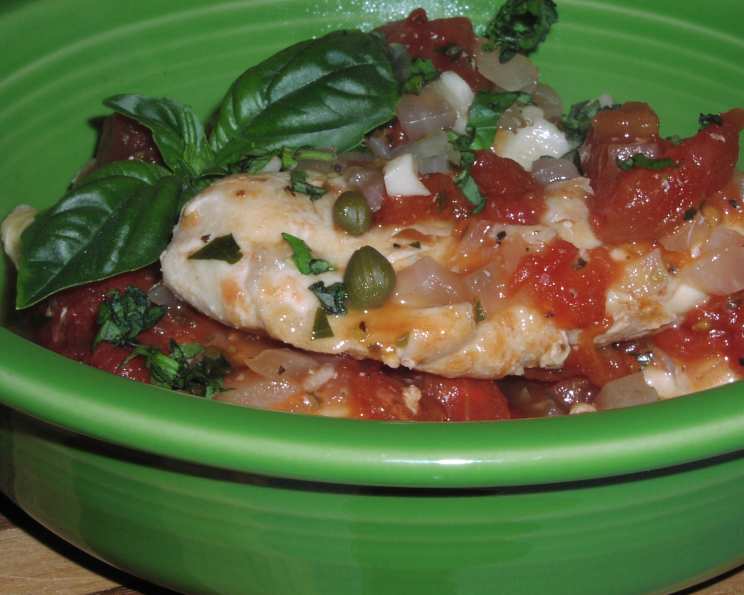
Chicken Cacciatore (HCG Friendly P2)
The aroma of simmering tomatoes, garlic, and herbs always takes me back to Sunday dinners at my grandmother’s house. Nonna Emilia, a fiery Italian woman with a heart of gold, would spend hours coaxing flavors from simple ingredients, filling her tiny kitchen with a symphony of delicious smells. Her Chicken Cacciatore, a hunter’s stew, was a family favorite, and though this version is adapted for a specific dietary protocol, it still carries echoes of her love and dedication to the art of home cooking. Even without the traditional wine, the essence of Nonna’s heartwarming cacciatore shines through.
Recipe Overview
- Prep Time: 15 minutes
- Cook Time: 30 minutes
- Total Time: 45 minutes
- Servings: 6
- Yield: 6 Chicken Breasts
- Dietary Type: HCG Phase 2 Compliant
Ingredients
- 21 ounces chicken breasts (6 pieces, 3.5 oz each)
- 3 tablespoons chicken broth, for sauteing the chicken in
- 2 teaspoons salt, plus more to taste
- 1 teaspoon black pepper, freshly ground, plus more to taste
- 1 onion, chopped
- 3 garlic cloves, finely chopped
- 1 1/2 cups chicken broth
- 1 (28 ounce) can diced tomatoes, with juice
- 3 tablespoons capers, drained
- 1 1/2 teaspoons oregano leaves, dried
- 1/8 – 1/4 cup basil leaves, coarsely chopped
Equipment Needed
- Large heavy saute pan
- Tongs
- Platter
Instructions
-
In a large, heavy saute pan, heat the 3 tablespoons of chicken broth over a medium-high flame. The broth will create a non-stick surface for browning the chicken.
-
Add the chicken pieces (if following the HCG diet, ensure there are 6 pieces weighing only 3.5 oz each) to the pan and saute until browned, approximately 5 minutes per side. Be careful not to overcrowd the pan; it’s better to work in batches. This ensures even browning and proper searing of the chicken.
-
Add more broth as it evaporates, if needed, to prevent the chicken from sticking and burning. The goal is to lightly brown the chicken, not to cook it all the way through at this stage.
-
If all the chicken does not fit in the pan at once, saute in 2 batches or more to maintain proper heat and browning.
-
Transfer the chicken to a plate and set aside. This allows the pan to be used for the next stage without overcooking the chicken.
-
Add the onion and garlic to the same pan and saute over medium heat until the onion is tender, about 5 minutes. Stir frequently to prevent burning. The onion should be translucent and slightly softened.
-
Season with salt and pepper. Adjust the amount to your preference.
-
Add the remaining broth and simmer until reduced by half, about 3 minutes. Simmering concentrates the flavor of the broth, creating a richer base for the sauce. Watch carefully to prevent it from reducing too much.
-
Add the tomatoes with their juice, capers, oregano, and about half of the basil. The juice from the canned tomatoes adds moisture and depth of flavor to the sauce. The capers bring a briny, salty counterpoint to the sweetness of the tomatoes.
-
Return the chicken pieces to the pan and turn them to coat in the sauce. Ensure each piece of chicken is well-coated with the tomato mixture.
-
Bring the sauce to a simmer. Then, continue simmering over low-medium heat until the chicken is just cooked through. The internal temperature of the chicken should reach 165°F (74°C). This usually takes about 10-15 minutes, depending on the thickness of the chicken breasts.
-
Using tongs, transfer the chicken to a platter.
-
If necessary, boil the sauce until it thickens slightly, about 3 minutes. Keep a close eye on the sauce while boiling; it can quickly reduce too much.
-
Spoon off any excess fat from atop the sauce. This step is important for both taste and presentation, as it removes any greasy residue.
-
Spoon the sauce over the chicken, then sprinkle with the remaining basil and serve immediately. The fresh basil adds a burst of freshness and vibrant color to the finished dish.
Expert Tips & Tricks
- For an even richer flavor, consider using fire-roasted diced tomatoes. Their smoky sweetness adds another layer of complexity.
- If you like a smoother sauce, use an immersion blender to partially blend the sauce before adding the chicken back in. Be careful not to over-blend, as you still want some texture.
- To develop a deeper flavor, saute a pinch of red pepper flakes along with the onion and garlic. This adds a touch of heat that complements the other flavors beautifully.
- If you don’t have fresh basil, you can use dried basil, but reduce the amount to about 1 teaspoon, as dried herbs have a more concentrated flavor.
- To ensure the chicken stays moist, avoid overcooking it. Use a meat thermometer to check for doneness and remove it from the pan as soon as it reaches 165°F (74°C).
- If the sauce becomes too thick while simmering, add a splash of chicken broth to loosen it up.
Serving & Storage Suggestions
Chicken Cacciatore is best served hot, immediately after cooking. It pairs wonderfully with steamed cauliflower rice or a side of zucchini noodles for a complete HCG-compliant meal. To elevate the presentation, garnish with extra fresh basil and a sprinkle of freshly ground black pepper.
Leftovers can be stored in an airtight container in the refrigerator for up to 3 days. Ensure the chicken and sauce are completely cooled before refrigerating. To reheat, gently warm the Chicken Cacciatore in a saucepan over low heat, stirring occasionally until heated through. You can also microwave it in short intervals, stirring in between, to prevent the chicken from drying out. Freezing is not recommended, as the texture of the tomatoes may change upon thawing.
Nutritional Information
| Nutrient | Amount per Serving | % Daily Value |
|---|---|---|
| Calories | 218.7 kcal | N/A |
| Calories from Fat | 89 g | 41% |
| Total Fat | 9.9 g | 15% |
| Saturated Fat | 2.8 g | 14% |
| Cholesterol | 63.5 mg | 21% |
| Sodium | 1182.1 mg | 49% |
| Total Carbohydrate | 8.5 g | 2% |
| Dietary Fiber | 2.4 g | 9% |
| Sugars | 4.5 g | 18% |
| Protein | 23.8 g | 47% |
Variations & Substitutions
- For a spicier version, add a pinch of red pepper flakes or a dash of hot sauce to the sauce.
- If you don’t have capers, you can substitute them with chopped green olives for a similar salty and briny flavor.
- If you prefer a different herb, try using thyme or rosemary instead of oregano.
- For a richer flavor, add a tablespoon of tomato paste to the sauce along with the diced tomatoes.
- If you’re not following the HCG diet, you can use olive oil instead of chicken broth for sauteing the chicken and vegetables. You could also deglaze the pan with a splash of dry white wine after sauteing the onions and garlic, allowing the wine to reduce slightly before adding the remaining ingredients.
FAQs (Frequently Asked Questions)
Q: Can I make this in a slow cooker?
A: Yes, you can. Simply combine all the ingredients in a slow cooker and cook on low for 6-8 hours, or on high for 3-4 hours. The chicken will be very tender.
Q: What if I don’t have fresh basil?
A: You can use dried basil, but use about 1 teaspoon instead of the 1/8-1/4 cup of fresh basil, as dried herbs have a more concentrated flavor.
Q: Can I use different cuts of chicken?
A: While chicken breasts are recommended for the HCG diet due to their lean protein content, you can use other cuts of chicken such as thighs or drumsticks if you’re not strictly following the diet. Keep in mind that these cuts may require a longer cooking time.
Q: Is this recipe gluten-free?
A: Yes, this recipe is naturally gluten-free as it does not contain any gluten-containing ingredients.
Q: How can I thicken the sauce if it’s too thin?
A: If the sauce isn’t thickening to your liking, you can remove the chicken and simmer the sauce over medium heat for a longer period, allowing it to reduce naturally. Alternatively, you can mix a small amount of arrowroot powder with cold water to create a slurry, then stir it into the sauce to thicken it.
Final Thoughts
This Chicken Cacciatore recipe, carefully adapted for the HCG diet, is a testament to the fact that you don’t have to sacrifice flavor while adhering to specific dietary guidelines. It’s a simple yet satisfying dish that brings the warmth and comfort of Italian home cooking to your table. So, gather your ingredients, put on some Italian music, and transport yourself to a cozy cucina. I encourage you to try this recipe and share your experience. Buon appetito!