
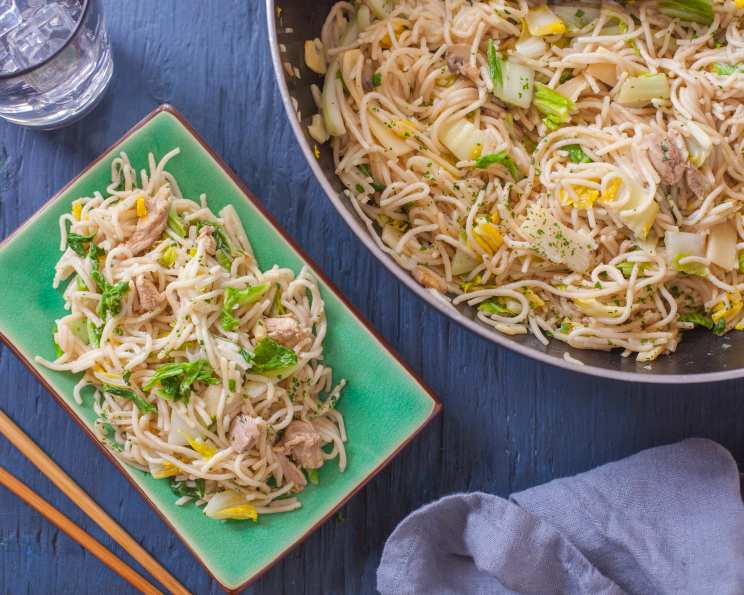
Chicken Chow Mein: A Culinary Journey Back to Simplicity
The scent of soy sauce sizzling in a hot wok… it instantly transports me back to late nights in college, craving comfort food that wouldn’t break the bank. We’d pile into someone’s beat-up car and head to the nearest takeout place, always ordering a mountain of chow mein. It wasn’t fancy, but it was satisfying, and every bite held the promise of shared laughter and fleeting youth. This recipe captures that essence, a simple yet delicious dish that brings back those cherished memories.
Recipe Overview
- Prep Time: 15 minutes
- Cook Time: 20 minutes
- Total Time: 35 minutes
- Servings: 4-6
- Yield: 1 large platter
- Dietary Type: Adaptable (can be made gluten-free with tamari and GF noodles)
Ingredients
- 2 teaspoons soy sauce (I use low sodium)
- 1 tablespoon rice vinegar
- 1 tablespoon sesame oil
- 2 boneless skinless chicken thighs, cut into very thin slices
- 12 ounces chow mein noodles (the soft kind found fresh, not the hard crunchy ones)
- 2 tablespoons cooking oil
- 1 small napa cabbage, sliced into 1 inch strips
- 2 baby bok choy, sliced into 1 inch strips
- 5 ounces water chestnuts, sliced
- 2 garlic cloves, chopped
- 2 tablespoons soy sauce
- 2 tablespoons oyster sauce
- 2 green onions, chopped
Equipment Needed
- Small bowl
- Large skillet or wok
- Serving platter
Instructions
-
Marinate the chicken: In a small bowl, combine the 2 teaspoons of soy sauce, rice vinegar, and sesame oil. Add the sliced chicken, and toss to completely coat, ensuring every piece is touched by the marinade. Set aside while you cook the noodles; this allows the flavors to penetrate the chicken.
-
Cook the chow mein noodles: Cook the chow mein noodles according to package directions. Different brands may have varying cooking times, so follow the instructions carefully. Once cooked, drain the noodles well, removing all excess water. Set aside. Soggy noodles will ruin the texture of the chow mein.
-
Stir-fry the chicken: Heat half of the cooking oil (1 tablespoon) in a very large skillet or wok over high heat. The key here is a very hot pan. When the oil is very hot, but not smoking, add the chicken mixture. Stir-fry until the chicken is cooked through and lightly browned. This should only take a few minutes. Don’t overcrowd the pan; work in batches if necessary to maintain high heat. Remove the chicken to a plate, set aside, and keep warm.
-
Cook the vegetables: Add the remaining cooking oil (1 tablespoon) to the skillet. Then, add the cabbage, bok choy, water chestnuts, and garlic. Stir-fry for a couple of minutes until the vegetables begin to wilt, retaining a slight crispness. Overcooked vegetables will become mushy, so keep them moving in the hot pan.
-
Combine and finish: Add the cooked noodles to the skillet with the vegetables. Continue to cook, stirring and tossing, until the noodles are hot and well combined with the vegetables. This step ensures that the noodles absorb the flavors of the vegetables and oil.
-
Add the sauces: Add the 2 tablespoons of soy sauce and the oyster sauce to the skillet. Toss to combine thoroughly, ensuring the sauce coats all the noodles and vegetables evenly. The sauces provide the savory umami flavor that defines chow mein.
-
Incorporate the chicken: Add the cooked chicken back to the skillet. Toss to combine, ensuring the chicken is heated through and evenly coated with the sauce.
-
Serve: Transfer the chow mein to a serving platter, and top with the chopped green onions. Serve immediately while hot.
Expert Tips & Tricks
- Don’t Overcrowd the Pan: Overcrowding the pan will lower the temperature and cause the ingredients to steam instead of stir-fry. Cook in batches if necessary.
- High Heat is Key: Stir-frying requires high heat to quickly cook the ingredients and create a slightly charred flavor. Ensure your pan is properly heated before adding the ingredients.
- Noodle Prep: If using dried noodles, be sure to cook them al dente. Overcooked noodles will become mushy in the stir-fry.
- Sauce Consistency: If you prefer a thicker sauce, you can mix a teaspoon of cornstarch with a tablespoon of water and add it to the pan in the last minute of cooking.
- Prep Ahead: You can slice the vegetables and marinate the chicken ahead of time to speed up the cooking process.
Serving & Storage Suggestions
Serve this Chicken Chow Mein hot, immediately after cooking. It’s delicious on its own, but can also be served with a side of steamed rice or spring rolls.
Leftovers can be stored in an airtight container in the refrigerator for up to 3 days. To reheat, you can microwave it or stir-fry it in a pan with a little bit of oil until heated through. Be careful not to overcook it, or the noodles may become mushy. Freezing is not recommended as the noodles will lose their texture.
Nutritional Information
| Nutrient | Amount per Serving | % Daily Value |
|---|---|---|
| Calories | 350 kcal | 18% |
| Total Fat | 15g | 23% |
| Saturated Fat | 3g | 15% |
| Cholesterol | 75mg | 25% |
| Sodium | 1200mg | 50% |
| Total Carbohydrate | 35g | 12% |
| Dietary Fiber | 4g | 16% |
| Sugars | 8g | |
| Protein | 20g | 40% |
Note: Nutritional information is an estimate and may vary based on specific ingredients and portion sizes.
Variations & Substitutions
- Protein: Feel free to substitute the chicken with shrimp, beef, pork, or tofu.
- Vegetables: Add other vegetables like broccoli, carrots, bell peppers, or snow peas.
- Gluten-Free: Use gluten-free noodles and tamari instead of soy sauce.
- Spicy: Add a pinch of red pepper flakes or a drizzle of chili oil for a spicy kick.
- Vegetarian/Vegan: Omit the chicken and oyster sauce. Substitute the oyster sauce with a vegetarian oyster sauce made from mushrooms, or simply use more soy sauce.
FAQs (Frequently Asked Questions)
Q: Can I use dried chow mein noodles instead of fresh?
A: Yes, you can use dried chow mein noodles. Just be sure to cook them according to the package directions and don’t overcook them, as they can become mushy.
Q: Can I make this dish ahead of time?
A: While it’s best served immediately, you can prep the ingredients ahead of time. Slice the vegetables, marinate the chicken, and cook the noodles. Store them separately and combine them when you’re ready to cook the dish.
Q: How do I prevent the noodles from sticking together?
A: After cooking the noodles, toss them with a little bit of oil to prevent them from sticking together.
Q: Can I use different types of soy sauce?
A: Yes, you can use regular or dark soy sauce, but be mindful of the salt content. If using regular soy sauce, you may need to adjust the amount to your liking.
Q: What if I don’t have oyster sauce?
A: If you don’t have oyster sauce, you can substitute it with a vegetarian oyster sauce made from mushrooms, or simply use more soy sauce. You can also add a dash of hoisin sauce for a similar flavor.
Final Thoughts
This Chicken Chow Mein is more than just a recipe; it’s a journey back to simple, satisfying flavors. It’s a testament to how a few humble ingredients, combined with a little bit of technique, can create a dish that’s both comforting and delicious. So, grab your wok, gather your ingredients, and get ready to create a culinary masterpiece that will transport you back to your own cherished memories. And please, share your own experiences or variations in the comments below – I’m eager to hear how you make this recipe your own!