
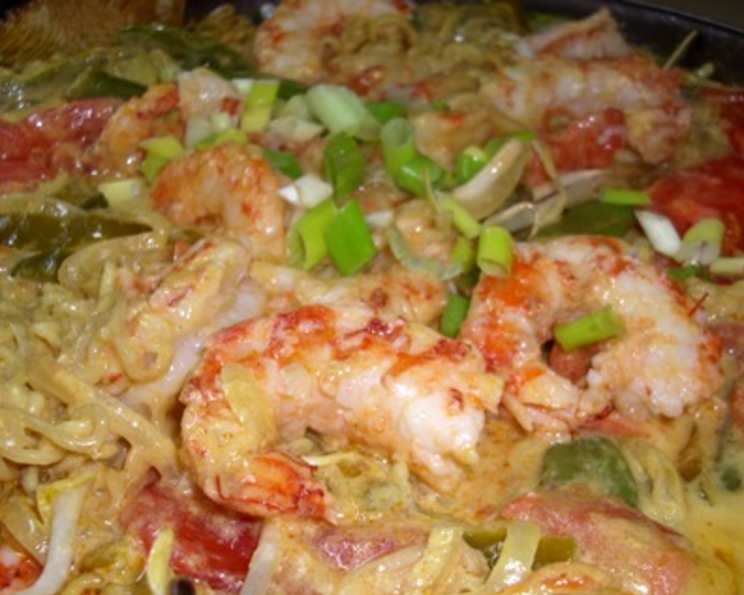
Chicken Curry and Noodles: A Microwave Marvel
I remember my college days, fueled by late-night study sessions and an endless craving for flavorful, comforting food that didn’t require an hour in the kitchen. That’s where my love affair with quick and easy microwave meals began. This Chicken Curry and Noodles is a direct descendant of those experimental days, a testament to the fact that you can achieve a delicious and satisfying meal with minimal effort and maximum flavor, all within the confines of a microwave. The aroma of curry paste mingling with coconut cream is enough to transport me back to those bustling dorm hallways, a welcome wave of nostalgia with every bite.
Recipe Overview
- Prep Time: 10 minutes
- Cook Time: 10-11 minutes
- Total Time: 20-21 minutes
- Servings: 3-4
- Dietary Type: Can be modified to be gluten-free.
Ingredients
- 150g hokkien noodles
- 1 large chicken breast, cooked
- 400ml light coconut cream
- 1 1⁄2 tablespoons yellow Thai curry paste
- 2 tablespoons lemon juice
- 1⁄2 teaspoon lemon rind, finely grated
- 1⁄2 cup red capsicum, finely sliced
- 1⁄2 cup red onion, finely sliced
- 1⁄2 cup zucchini, finely sliced
- 1⁄2 cup snow peas, cut into fine strips
- Salt and pepper to taste
- 1⁄2 cup salt-free chicken stock
- 1 cup bean sprouts
- 1⁄3 cup spring onion, finely sliced
Equipment Needed
- Microwave-safe bowl
- Knife
- Cutting board
Instructions
-
Begin by preparing the hokkien noodles. Place them in a bowl of boiling water to loosen and separate. Let them sit for a minute or two, then drain thoroughly. This step prevents the noodles from clumping together in the microwave.
-
Slice the cooked chicken breast into bite-sized strips. This ensures even cooking and allows the chicken to absorb the flavorful curry sauce.
-
In a large microwave-safe bowl, combine the coconut cream, yellow Thai curry paste, lemon juice, and finely grated lemon rind. Stir well to ensure the curry paste is fully incorporated into the coconut cream.
-
Microwave the coconut cream mixture on high (750W) for 1 minute. This helps to bloom the curry paste, releasing its aromatic oils and intensifying the flavor. Be careful when removing the bowl, as it will be hot.
-
Remove the bowl from the microwave and add the sliced chicken, red capsicum, red onion, zucchini, snow peas, and chicken stock. Season generously with salt and pepper to your liking. Stir well to coat all the ingredients in the sauce.
-
Return the bowl to the microwave and cook on high for 8 minutes. This will cook the vegetables and heat the chicken through. Check the vegetables for desired tenderness; they should be slightly softened but still retain a bit of crunch.
-
Remove the bowl from the microwave and add the drained hokkien noodles. Gently stir to combine the noodles with the curry sauce and other ingredients.
-
Cook again in the microwave for an additional 1-2 minutes, or until the noodles are heated through. Be careful not to overcook the noodles, as they can become mushy.
-
Remove the bowl from the microwave and garnish generously with bean sprouts and finely sliced spring onions. Serve immediately.
Expert Tips & Tricks
- Spice it up: If you prefer a spicier curry, add a pinch of red pepper flakes or a finely sliced chili pepper to the coconut cream mixture before microwaving.
- Vegetable Variety: Feel free to substitute or add other vegetables based on your preference and what you have on hand. Broccoli florets, spinach, or mushrooms would all be delicious additions.
- Chicken Perfection: Using leftover roasted chicken is a great way to add flavor and save time. Alternatively, you can use rotisserie chicken or even canned chicken for a super quick meal.
- Noodle Nirvana: If hokkien noodles aren’t available, you can substitute with other types of noodles such as udon, ramen, or even spaghetti. Adjust the cooking time accordingly.
- Lemon Zest Zing: Don’t skip the lemon rind! It adds a bright, citrusy note that complements the richness of the coconut cream and curry paste.
- Curry Paste Power: The type of yellow Thai curry paste you use will greatly influence the flavor of the dish. Experiment with different brands to find your favorite. Some are milder than others.
- Make-Ahead Magic: You can prepare the vegetable mixture ahead of time and store it in the refrigerator for up to 24 hours. Just add the chicken and noodles when you’re ready to cook.
Serving & Storage Suggestions
Serve this Chicken Curry and Noodles hot, garnished generously with bean sprouts and spring onions. A squeeze of fresh lime juice just before serving adds a bright, zesty finish. For a more substantial meal, serve with a side of steamed rice or a crusty baguette.
Leftovers can be stored in an airtight container in the refrigerator for up to 3 days. Reheat in the microwave, adding a splash of water or chicken stock if needed to prevent the noodles from drying out. This dish is best consumed fresh, as the noodles can become softer over time. Freezing is not recommended as the texture of the noodles and vegetables may change upon thawing.
Nutritional Information
| Nutrient | Amount per Serving (estimated) | % Daily Value* |
|---|---|---|
| Calories | 450 kcal | 23% |
| Total Fat | 25g | 38% |
| Saturated Fat | 15g | 75% |
| Cholesterol | 80mg | 27% |
| Sodium | 400mg | 17% |
| Total Carbohydrate | 45g | 15% |
| Dietary Fiber | 5g | 20% |
| Sugars | 8g | |
| Protein | 25g | 50% |
*Based on a 2,000 calorie diet. Values are approximate and may vary based on specific ingredients used.
Variations & Substitutions
- Gluten-Free Option: Use gluten-free noodles, such as rice noodles, and ensure your curry paste is gluten-free.
- Vegan Version: Substitute the chicken with tofu or tempeh. Use vegetable broth instead of chicken stock.
- Spicy Kick: Add a tablespoon of Sriracha or a dash of cayenne pepper for extra heat.
- Creamier Curry: Use full-fat coconut cream for a richer, more decadent sauce.
- Protein Boost: Add edamame or chickpeas for extra protein and fiber.
- Seasonal Vegetables: Adapt the recipe to use seasonal vegetables, such as butternut squash in the fall or asparagus in the spring.
FAQs (Frequently Asked Questions)
Q: Can I use a different type of curry paste?
A: Yes, you can substitute with red or green Thai curry paste, but the flavor profile will be different. Adjust the amount to your liking, as some pastes are spicier than others.
Q: Can I use raw chicken instead of cooked chicken?
A: It is not recommended to use raw chicken in this recipe, as it may not cook evenly in the microwave and could pose a food safety risk. Always use cooked chicken.
Q: How do I prevent the noodles from becoming mushy?
A: Make sure to drain the noodles thoroughly after soaking them in boiling water. Also, avoid overcooking them in the microwave. 1-2 minutes is usually sufficient to heat them through.
Q: Can I add peanuts to this dish?
A: Absolutely! Toasted peanuts would add a delicious crunch and nutty flavor to the curry. Sprinkle them on top just before serving.
Q: What if I don’t have chicken stock?
A: You can substitute with water or vegetable broth. However, the chicken stock adds depth of flavor to the sauce.
Final Thoughts
So, there you have it—a simple yet incredibly satisfying Chicken Curry and Noodles recipe that’s perfect for busy weeknights or whenever you’re craving a flavorful and comforting meal in a hurry. I encourage you to give it a try and adapt it to your own taste preferences. Don’t be afraid to experiment with different vegetables, spice levels, and noodle types to create your perfect bowl of microwave magic. And please, share your feedback – I’d love to hear about your culinary adventures! Pair this dish with a refreshing glass of iced tea or a light, crisp white wine for a truly delightful experience. Happy cooking!