
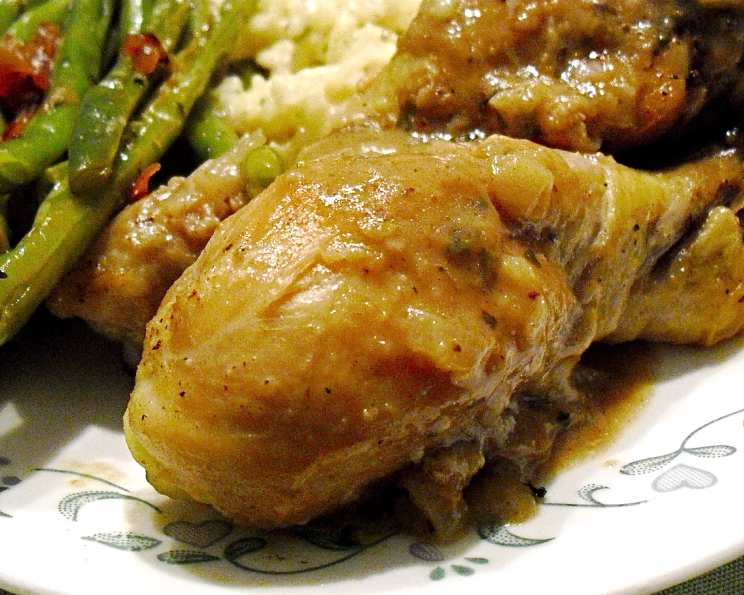
Chicken Dijon: A Culinary Classic with a Twist
My earliest memory of Dijon mustard isn’t a sophisticated one. It involves sneaking dollops of it from my grandmother’s refrigerator, the pungent tang a delightful rebellion against the blandness of childhood lunches. It wasn’t until culinary school, however, that I truly understood the magic of Dijon, particularly in its ability to transform a simple dish like chicken into something elegant and comforting. Chicken Dijon, in all its creamy, tangy glory, became a staple – a dish I could rely on to impress, to comfort, and to satisfy.
Recipe Overview
- Prep Time: 15 minutes
- Cook Time: 30 minutes
- Total Time: 45 minutes
- Servings: 4
- Dietary Type: Dairy-containing
Ingredients
- 1 teaspoon coriander seed
- 2 tablespoons extra virgin olive oil
- 8 chicken drumsticks (about 3 pounds total)
- Salt
- Pepper
- 1⁄4 cup onion, finely chopped
- 4 garlic cloves, minced
- 1 1⁄2 cups low sodium chicken broth
- 2 tablespoons whole grain mustard
- 3 tablespoons creme fraiche or 3 tablespoons sour cream
- 2 teaspoons fresh tarragon, chopped
Equipment Needed
- Large skillet
- Mortar and pestle
- Small bowl
- Platter
Instructions
-
Begin by toasting the coriander seeds. In a large, dry skillet over medium heat, add the coriander seeds and toast until they become fragrant, approximately 2 minutes. Keep a close eye on them, as they can burn quickly.
-
Remove the toasted coriander seeds from the skillet and allow them to cool slightly. Once cooled, use a mortar and pestle to crush the seeds coarsely. This releases their aromatic oils and adds a wonderful depth of flavor to the dish. If you don’t have a mortar and pestle, you can use a spice grinder, but be careful not to grind them too finely.
-
In the same skillet, heat the extra virgin olive oil over medium-high heat until it shimmers. This indicates that the oil is hot enough to properly sear the chicken.
-
Season the chicken drumsticks generously with salt and pepper. Don’t be shy with the seasoning, as this is your opportunity to build flavor into the chicken itself.
-
Add the seasoned chicken drumsticks to the skillet in a single layer, ensuring not to overcrowd the pan. Cook the chicken until it is brown on all sides, approximately 10 minutes total. This searing process not only adds color but also helps to seal in the juices, resulting in more tender and flavorful chicken.
-
Add the finely chopped onion to the skillet and cook until softened, stirring occasionally, approximately 3 minutes. The onion will begin to turn translucent as it cooks, releasing its sweet aroma.
-
Add the minced garlic to the skillet and cook for 1 minute, stirring constantly. Be careful not to burn the garlic, as it can become bitter very quickly.
-
Pour the low sodium chicken broth into the skillet and add the crushed coriander. Bring the mixture to a boil, then reduce the heat to medium-low.
-
Cover the skillet and cook over medium-low heat until the chicken is cooked through, about 15 minutes. The internal temperature of the chicken should reach 165°F (74°C). You can use a meat thermometer to check for doneness.
-
Transfer the chicken drumsticks to a platter, cover them with foil, and keep them warm. This will prevent the chicken from drying out while you prepare the sauce.
-
In a small bowl, whisk together the whole grain mustard, creme fraiche (or sour cream), and chopped fresh tarragon. The mustard adds tanginess, the creme fraiche or sour cream adds richness, and the tarragon provides a fresh, herbaceous note.
-
Whisk this mixture into the skillet with the broth and simmer until the sauce thickens slightly, about 5 minutes. Stir constantly to prevent the sauce from sticking to the bottom of the pan. The sauce should be creamy and smooth.
-
Return the chicken drumsticks to the pan and turn to coat them in the Dijon sauce. Ensure that each piece of chicken is evenly coated in the flavorful sauce.
Expert Tips & Tricks
- For extra crispy skin: Pat the chicken drumsticks very dry with paper towels before searing.
- Adjusting the sauce: If the sauce is too thick, add a splash of chicken broth. If it’s too thin, simmer for a few more minutes until it reaches the desired consistency.
- Herb Variations: If you don’t have fresh tarragon, you can use dried tarragon (use half the amount) or substitute with fresh parsley or chives.
- Spice Level: For a spicier kick, add a pinch of red pepper flakes along with the coriander seeds.
- Deboning Option: For a quicker cooking time and easier eating, consider using boneless, skinless chicken thighs. Reduce the covered cooking time to about 10 minutes.
Serving & Storage Suggestions
Serve the Chicken Dijon hot, garnished with a sprinkle of fresh tarragon, if desired. It pairs beautifully with crusty bread, rice, mashed potatoes, or roasted vegetables to soak up the delicious sauce.
Leftovers can be stored in an airtight container in the refrigerator for up to 3 days. To reheat, gently warm in a skillet over low heat or in the microwave until heated through. If the sauce has thickened too much, add a splash of chicken broth or water before reheating. Freezing is not recommended, as the sauce may separate upon thawing.
Nutritional Information
| Nutrient | Amount per Serving | % Daily Value |
|---|---|---|
| Calories | 365.4 kcal | N/A |
| Calories from Fat | 221 kcal | N/A |
| Total Fat | 24.6 g | 37% |
| Saturated Fat | 7.2 g | 36% |
| Cholesterol | 133.7 mg | 44% |
| Sodium | 239.3 mg | 9% |
| Total Carbohydrate | 4.4 g | 1% |
| Dietary Fiber | 0.7 g | 2% |
| Sugars | 0.7 g | N/A |
| Protein | 31.1 g | 62% |
Variations & Substitutions
- Chicken Thighs: As suggested, chicken thighs can be substituted for drumsticks. They may require slightly less cooking time.
- Dijon Variety: Experiment with different types of Dijon mustard, such as a honey Dijon or a smoked Dijon, to add unique flavor profiles.
- Wine Addition: Add a splash of dry white wine to the skillet along with the chicken broth for an extra layer of complexity.
- Vegetable Medley: Add chopped carrots, celery, or mushrooms to the skillet along with the onion for a more complete meal.
FAQs (Frequently Asked Questions)
Q: Can I use dried tarragon instead of fresh?
A: Yes, you can substitute dried tarragon for fresh. Use half the amount of dried tarragon as you would fresh, as dried herbs are more concentrated.
Q: Can I make this dish ahead of time?
A: Absolutely! This dish can be made ahead and refrigerated for up to 3 days. Reheat gently before serving.
Q: What if I don’t have creme fraiche?
A: Sour cream is a perfectly acceptable substitute for creme fraiche. The difference in taste is subtle.
Q: Can I use boneless, skinless chicken breasts?
A: Yes, you can, but be careful not to overcook them. Reduce the cooking time significantly to prevent them from becoming dry.
Q: What is the best way to check if the chicken is cooked through?
A: The best way is to use a meat thermometer. Insert it into the thickest part of the chicken (without touching the bone) and ensure it reaches an internal temperature of 165°F (74°C).
Final Thoughts
Chicken Dijon is more than just a recipe; it’s a gateway to culinary confidence. It’s a reminder that simple ingredients, when combined with care and attention, can create something truly special. Don’t be afraid to experiment with the variations suggested, and above all, enjoy the process. I encourage you to try this recipe, share it with loved ones, and let me know what you think. Consider pairing it with a crisp, dry white wine like a Sauvignon Blanc or a Pinot Grigio for a truly delightful dining experience. Bon appétit!