
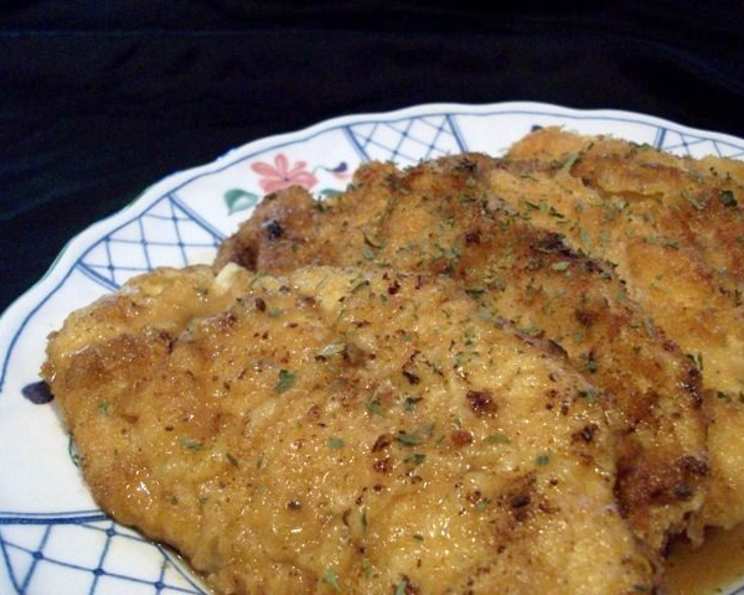
Chicken Francaise: A Taste of Italy in Your Kitchen
My first encounter with Chicken Francaise was a revelation. I was a young line cook, overwhelmed by the hustle of a busy Italian restaurant. The chef, a gruff but talented man named Marco, barked orders with the speed of a machine gun. Then, he’d turn around and craft something as elegant and comforting as Chicken Francaise. The aroma of lemon, wine, and butter mingling in the air was pure magic. It was the dish that made me truly appreciate the beauty of simple, perfectly executed cuisine. It’s a taste memory I cherish, and one I’m thrilled to share with you.
Recipe Overview
- Prep Time: 20 minutes
- Cook Time: 25 minutes
- Total Time: 45 minutes
- Servings: 4
- Dietary Type: Not Gluten-Free
Ingredients
- 4 boneless, skinless chicken breasts
- All-purpose flour, for dredging
- Kosher salt & freshly ground black pepper
- 4 eggs
- 3 tablespoons water
- 1/4 cup extra virgin olive oil
- 1/2 lemon, with rind, cut in thin rounds
- 1/2 cup dry white wine
- 1 cup chicken broth
- 1/2 lemon, juiced
- 2 tablespoons unsalted butter
- 1/4 cup flat leaf parsley, chopped
Equipment Needed
- Cutting board
- Plastic wrap
- Meat mallet (optional, if using thin-cut chicken)
- Shallow platter
- Wide bowl
- Fork
- Large skillet
Instructions
- Place the chicken breasts side by side on a cutting board. Cover them with a sheet of plastic wrap.
- Using a flat meat mallet, gently pound the chicken breasts until they are approximately 1/4-inch thick. If you are using thin-cut chicken breasts, you can skip this step. The goal is to create uniformly thin cutlets for even cooking.
- In a shallow platter, add a generous amount of all-purpose flour. Season liberally with kosher salt and freshly ground black pepper. Mix thoroughly with a fork to ensure even distribution of the seasonings. This seasoned flour will create a flavorful crust on the chicken.
- In a wide bowl, prepare an egg wash by whisking together the eggs and water. Whisk vigorously until the mixture is light and slightly frothy. This egg wash will help the flour adhere to the chicken.
- Heat the extra virgin olive oil in a large skillet over medium-high heat. Allow the oil to heat up properly; it should shimmer but not smoke. Testing the oil’s temperature by flicking a tiny amount of flour into the pan is a great way to check if it’s hot enough.
- Working one at a time, lightly brush each chicken breast with the egg wash, ensuring it’s evenly coated.
- Immediately dip the egg-washed chicken breast into the seasoned flour mixture, pressing gently to ensure the flour adheres well to both sides. Shake off any excess flour.
- Once the oil is hot, carefully add the chicken cutlets to the skillet. Fry for approximately 2 minutes per side, or until golden brown and cooked through. Turn the cutlets only once during cooking to achieve the best color and texture. Avoid overcrowding the pan; cook in batches if necessary to maintain even heat distribution.
- Remove the cooked chicken cutlets from the skillet and place them on a large platter in a single layer. This prevents them from steaming and becoming soggy. Keep the chicken warm while you prepare the sauce. You can tent the platter loosely with foil.
- Add the thinly sliced lemon rounds to the skillet and cook for 1 to 2 minutes, or until they begin to caramelize and release their fragrant oils. Be careful not to burn the lemon; you want them lightly browned and aromatic.
- Pour in the dry white wine, chicken broth, and fresh lemon juice. Bring the mixture to a simmer and allow it to reduce slightly for about 5 minutes. This reduction concentrates the flavors and creates a more robust sauce.
- Take the unsalted butter and gently roll it in a small amount of flour. This creates a beurre manié, which will help thicken the sauce. Add the butter-flour mixture to the skillet. Stir continuously to incorporate the butter and dissolve the flour completely. Continue simmering until the sauce reaches your desired consistency.
- Reduce the heat to medium-low and return the chicken to the skillet. Arrange the caramelized lemon slices on top of the cutlets. Simmer gently for approximately 2 minutes, allowing the chicken to heat through and absorb the flavors of the sauce.
- Before serving, garnish generously with freshly chopped flat-leaf parsley. This adds a pop of color and freshness to the dish.
Expert Tips & Tricks
- Pounding the chicken: Don’t skip this step! It ensures even cooking and a delicate texture. If you don’t have a meat mallet, use a rolling pin or the bottom of a heavy pan.
- Flour Power: For extra flavor, add a pinch of garlic powder or dried oregano to the flour mixture.
- Wine Selection: Choose a dry white wine that you would enjoy drinking. Pinot Grigio, Sauvignon Blanc, or unoaked Chardonnay work well.
- Sauce Consistency: If the sauce is too thin, simmer it for a few more minutes to reduce it further. If it’s too thick, add a splash of chicken broth.
- Preventing Soggy Chicken: Make sure the oil is hot enough before adding the chicken. This will help create a crisp crust that won’t absorb too much oil. Also, don’t overcrowd the pan.
Serving & Storage Suggestions
Chicken Francaise is best served immediately while the chicken is still warm and the sauce is vibrant. It pairs beautifully with a side of linguine, angel hair pasta, or roasted vegetables. A simple salad with a lemon vinaigrette also complements the dish nicely.
Leftovers can be stored in an airtight container in the refrigerator for up to 3 days. To reheat, gently warm the chicken and sauce in a skillet over low heat or in the microwave. Be careful not to overcook the chicken, as it can become dry. The sauce may separate slightly upon reheating, but a quick whisk will bring it back together. Freezing is not recommended, as the texture of the chicken and sauce may be compromised.
Nutritional Information
| Nutrient | Amount per Serving | % Daily Value |
|---|---|---|
| Calories | 350 kcal | 18% |
| Total Fat | 20g | 31% |
| Saturated Fat | 8g | 40% |
| Cholesterol | 150mg | 50% |
| Sodium | 400mg | 17% |
| Total Carbohydrate | 15g | 5% |
| Dietary Fiber | 2g | 7% |
| Sugars | 5g | |
| Protein | 30g | 60% |
Note: Nutritional information is an estimate and may vary based on specific ingredients and cooking methods.
Variations & Substitutions
- Gluten-Free Chicken Francaise: Substitute the all-purpose flour with a gluten-free blend. Almond flour or a combination of rice flour and tapioca starch also work well.
- Dairy-Free Chicken Francaise: Use olive oil or a dairy-free butter substitute instead of butter in the sauce.
- Vegetarian/Vegan Option: Use thick slices of firm tofu or portobello mushrooms in place of the chicken. Dredge them in seasoned flour and egg wash (or a flaxseed meal and water mixture for a vegan option) and follow the recipe as directed.
- Spicy Chicken Francaise: Add a pinch of red pepper flakes to the flour mixture for a touch of heat.
- Herb Variations: Experiment with different herbs in the sauce, such as thyme, oregano, or rosemary.
FAQs (Frequently Asked Questions)
Q: Can I use chicken thighs instead of chicken breasts?
A: Yes, you can substitute boneless, skinless chicken thighs. They may require a slightly longer cooking time.
Q: What if I don’t have dry white wine?
A: You can use more chicken broth instead, but the wine adds a characteristic flavor. A dry vermouth can also be used as a substitute.
Q: How do I know when the chicken is cooked through?
A: The internal temperature of the chicken should reach 165°F (74°C). You can use a meat thermometer to check.
Q: Can I make the sauce ahead of time?
A: It’s best to make the sauce fresh for the best flavor and texture. However, you can prepare the ingredients ahead of time, such as slicing the lemons and chopping the parsley.
Q: My sauce is too acidic. How can I fix it?
A: Add a pinch of sugar or a small pat of butter to balance the acidity.
Final Thoughts
Chicken Francaise is more than just a recipe; it’s an experience. The simple yet elegant flavors create a dish that’s both comforting and impressive. Don’t be intimidated by the technique – it’s easier than it looks. I encourage you to try this recipe and make it your own. Experiment with different herbs, wines, and sides to create a dish that reflects your personal taste. And, of course, I’d love to hear your feedback! Let me know how it turns out and what variations you try. Enjoy!