
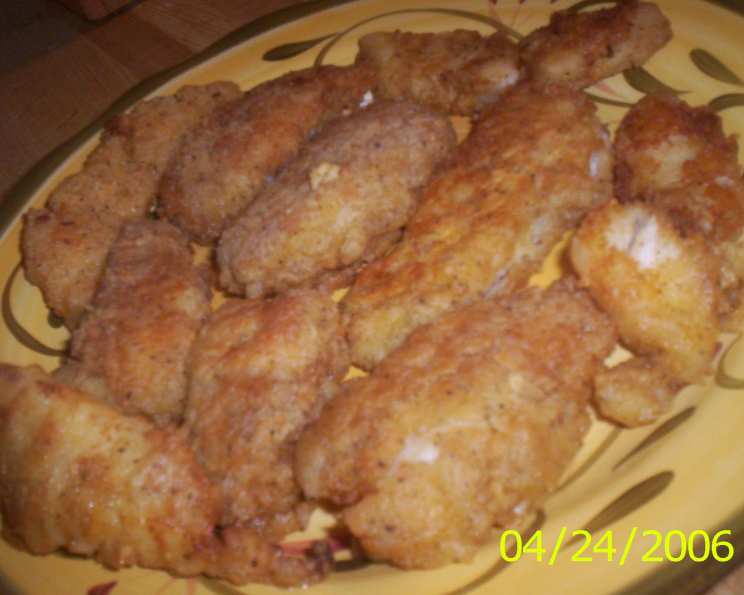
Chicken Fried “Fish Fingers”: A Southern Twist on Seafood
There’s something magical about the first bite of perfectly fried food – that satisfying crunch giving way to a tender, flavorful interior. As a kid, my grandmother, a true Southern matriarch, could fry anything to golden perfection. Her fried chicken was legendary, of course, but she had a knack for applying that same technique to unexpected ingredients. One sweltering summer afternoon, she surprised me with “chicken fried” catfish, served with a generous dollop of her homemade tartar sauce. The crispy, peppery crust against the flaky, mild fish was a revelation. It was then I learned that the art of frying wasn’t just about chicken; it was a way to transform any humble ingredient into a comforting and delicious experience.
Recipe Overview
- Prep Time: 2 hours 10 minutes (includes 2 hours of chilling)
- Cook Time: 10-15 minutes
- Total Time: 2 hours 25 minutes
- Servings: 4
- Yield: Approximately 12 pieces
- Dietary Type: Pescatarian
Ingredients
- 1 lb orange roughy fillets, cut into 12 equal pieces (or any other thick, mild, boneless white fish such as cod or haddock)
- ¾ cup buttermilk
- 1 egg, slightly beaten
- 1 cup self-rising flour
- 1 ½ tablespoons seasoning salt
- 1 ½ teaspoons ground black pepper
- ¾ cup canola oil (or other high-heat cooking oil)
Equipment Needed
- Medium-sized bowl
- Large bowl
- Large skillet or frying pan
- Tongs
- Paper towels
- Wire rack (optional)
Instructions
- Begin by preparing the orange roughy. Place the fish pieces into a medium-sized bowl.
- Pour the buttermilk over the fish ensuring all pieces are submerged. Cover the bowl and chill in the refrigerator for at least 2 hours. This step is crucial for tenderizing the fish and allowing the flavors to meld.
- While the fish is chilling, prepare the breading. In a large bowl, combine the self-rising flour, seasoning salt, and ground black pepper. Whisk thoroughly to ensure the spices are evenly distributed throughout the flour.
- After the fish has chilled, remove it from the refrigerator. Take each piece of fish and coat it thoroughly in the flour mixture, pressing gently to help the flour adhere. Place the coated fish on a clean plate or tray and set aside.
- In the bowl of remaining buttermilk, add the slightly beaten egg. Whisk together until well combined. This mixture will act as a binder, helping the breading to stick to the fish during frying.
- Now, take each piece of floured fish and dip it into the buttermilk/egg mix, ensuring it is fully coated.
- Immediately after dipping in the buttermilk mixture, coat the fish once again in the flour mixture from step 4. This double-coating is essential for achieving that signature “chicken fried” crust. Ensure the fish is completely covered in the flour.
- Pour the canola oil into a large skillet or frying pan. Heat the oil over medium-high heat until it is hot but not smoking. You can test the oil’s temperature by dropping a small pinch of flour into it; if it sizzles immediately, it’s ready.
- Carefully place approximately six pieces of fish into the hot oil at a time, being careful not to overcrowd the pan. Overcrowding will lower the oil temperature and result in soggy, unevenly cooked fish.
- Cook the fish for approximately 3 to 5 minutes on each side, or until it is golden brown and flakes easily with a fork. The internal temperature should reach 145°F (63°C).
- Once the fish is cooked, carefully remove it from the pan using tongs and place it on a plate lined with paper towels to drain any excess oil.
- Repeat steps 9-11 with the remaining fish.
- Serve immediately and enjoy!
Expert Tips & Tricks
- Don’t skip the chilling process. The buttermilk marinade is crucial for both flavor and texture.
- Use a thermometer to ensure the oil is at the correct temperature. This will help you achieve a crispy, not greasy, crust. If the oil starts to smoke, reduce the heat.
- Don’t overcrowd the pan. Fry in batches to maintain the oil temperature and ensure even cooking.
- For extra crispy fish, try adding a tablespoon of cornstarch to the flour mixture.
- Adjust the seasoning to your preference. If you like a little heat, add a pinch of cayenne pepper to the flour mixture.
- If the coating flakes off easily while turning, make sure the oil is hot enough. Also, handle the fish gently. Using two spatulas, one to support the fish and another to gently flip it, can help.
Serving & Storage Suggestions
Serve your “chicken fried” fish fingers immediately while they’re hot and crispy. They are delicious on their own or with a variety of dipping sauces, such as tartar sauce, cocktail sauce, ranch dressing, or a spicy aioli. Consider pairing them with classic Southern sides like coleslaw, mashed potatoes, green beans, or hushpuppies.
Leftovers can be stored in an airtight container in the refrigerator for up to 3 days. To reheat, bake in a preheated oven at 350°F (175°C) for about 10-15 minutes, or until heated through and crispy. Microwaving is not recommended, as it will make the fish soggy. Reheating in an air fryer is also a good option.
Nutritional Information
Estimated nutritional information per serving:
| Nutrient | Amount per Serving | % Daily Value |
|---|---|---|
| Calories | 597 kcal | N/A |
| Total Fat | 43.6 g | 67% |
| Saturated Fat | 3.6 g | 18% |
| Cholesterol | 122.9 mg | 40% |
| Sodium | 544.8 mg | 22% |
| Total Carbohydrate | 26 g | 8% |
| Dietary Fiber | 1.1 g | 4% |
| Sugars | 2.4 g | N/A |
| Protein | 24.9 g | 49% |
Note: Nutritional information is an estimate and may vary based on specific ingredients and preparation methods.
Variations & Substitutions
- Gluten-Free: Use a gluten-free self-rising flour blend for a gluten-free version.
- Spicier Fish: Add a dash of cayenne pepper or hot sauce to the buttermilk marinade or the flour mixture.
- Herbaceous: Add dried herbs like thyme, rosemary, or oregano to the flour mixture for an extra layer of flavor.
- Different Fish: Experiment with other types of white fish like cod, haddock, or tilapia. Adjust cooking time as needed depending on the thickness of the fillets.
- Air Fryer: For a lower-fat option, try cooking the fish fingers in an air fryer at 400°F (200°C) for about 10-12 minutes, flipping halfway through.
FAQs (Frequently Asked Questions)
Q: Can I use regular flour instead of self-rising flour?
A: While self-rising flour is recommended for the light and airy texture, you can use regular all-purpose flour. For each cup of all-purpose flour, add 1 ½ teaspoons of baking powder and ½ teaspoon of salt.
Q: Can I use a different type of oil for frying?
A: Yes, you can use any high-heat cooking oil such as peanut oil, vegetable oil, or grapeseed oil. Avoid using olive oil, as it has a lower smoke point.
Q: How do I know when the fish is cooked through?
A: The fish is cooked when it is golden brown on the outside and flakes easily with a fork. The internal temperature should reach 145°F (63°C).
Q: Can I make this ahead of time?
A: You can prepare the fish up to the point of frying and store it in the refrigerator for a few hours. However, it is best to fry the fish just before serving to ensure it is crispy.
Q: What is seasoning salt?
A: Seasoning salt is a blend of salt, spices, and herbs, typically including paprika, garlic powder, onion powder, and other seasonings. You can find it in most grocery stores. If you don’t have seasoning salt, you can substitute with a mixture of salt, paprika, garlic powder, onion powder, and a pinch of cayenne pepper.
Final Thoughts
This “chicken fried” fish finger recipe is a delightful twist on a classic Southern technique, perfect for anyone looking to elevate their seafood game. Don’t be afraid to experiment with different fish, seasonings, and dipping sauces to create your own signature version. Whether you’re a seasoned cook or just starting out, this recipe is sure to impress. So, gather your ingredients, preheat your oil, and get ready to enjoy a taste of Southern comfort with a seafood twist! I encourage you to try this recipe and share your feedback. Perhaps pair it with a crisp, chilled glass of Sauvignon Blanc to complement the richness of the fish.