
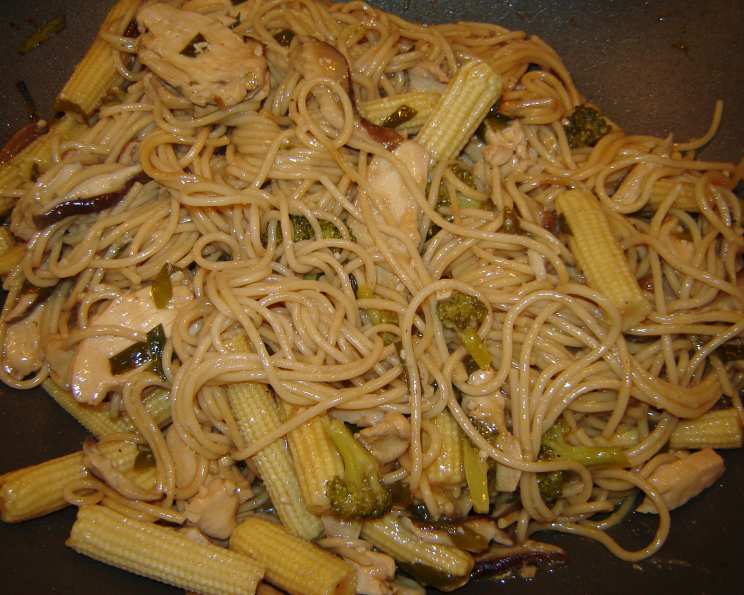
Sizzling Chicken Lo Mein: A Taste of Home
The aroma of ginger, garlic, and soy sauce always transports me back to my college days. Late nights studying inevitably led to cravings for comfort food, and the local Chinese takeout was always the answer. Their chicken lo mein, with its perfectly cooked noodles and savory sauce, was a staple. It was more than just food; it was a shared experience, a moment of respite amid the academic chaos. Recreating that taste of home in my own kitchen is a joy, and this recipe brings back those memories with every bite.
Recipe Overview
- Prep Time: 25 minutes
- Cook Time: 23 minutes
- Total Time: 48 minutes
- Servings: 6
- Yield: About 8 cups
- Dietary Type: Varies (see variations for gluten-free)
Ingredients
- 2 chicken breast halves, cut into thin strips
- 2 ½ teaspoons white sugar, divided
- 1 tablespoon rice wine vinegar, plus 1 ½ teaspoons rice wine vinegar
- ¼ cup soy sauce, divided
- ½ cup chicken broth, plus 2 tablespoons chicken broth
- ½ cup water
- 1 ½ teaspoons sesame oil
- ¼ teaspoon ground black pepper
- 1 tablespoon cornstarch
- 0.5 (12 ounce) package uncooked linguine
- 1 tablespoon vegetable oil, divided
- 1 tablespoon minced fresh gingerroot
- 1 ½ teaspoons minced garlic
- ¼ lb fresh shiitake mushroom, stemmed and sliced
- 3 green onions, sliced diagonally into ½ inch pieces
Equipment Needed
- Medium bowls
- Small bowl
- Wok or large saucepan
- Measuring cups and spoons
- Colander
Instructions
-
In a medium, non-reactive bowl, combine the chicken with 2 ½ teaspoons of white sugar, 1 ½ tablespoons of rice wine vinegar, and ¼ cup of soy sauce. Mix thoroughly to coat the chicken evenly. Cover the bowl tightly and let the chicken marinate in the refrigerator for at least 1 hour. This marinating process tenderizes the chicken and infuses it with flavor.
-
In another medium bowl, prepare the sauce. Combine ½ cup of chicken broth, ½ cup of water, 1 ½ teaspoons of sesame oil, and ¼ teaspoon of ground black pepper. Add the remaining sugar, vinegar (1 ½ teaspoons), and soy sauce. Whisk together until well combined.
-
In a separate small bowl, create a slurry by dissolving the cornstarch with a small amount of the prepared sauce mixture. Stir until the cornstarch is completely dissolved and there are no lumps. Slowly add this slurry to the bulk of the sauce mixture in the larger bowl, stirring constantly to ensure a smooth and consistent sauce. Set aside.
-
Cook the linguine according to the package directions. Be careful not to overcook the pasta; it should be al dente. Once cooked, drain the pasta thoroughly and set it aside. A slight coating of oil can prevent sticking if it will sit for a short period before being added to the wok.
-
Heat 1 tablespoon of the vegetable oil in a wok or large saucepan over high heat until it starts to smoke. This high heat is crucial for achieving that characteristic wok hei, or “breath of the wok,” which adds a unique smoky flavor to the dish.
-
Add the marinated chicken to the hot wok and stir-fry for 4 to 5 minutes, or until the chicken is browned and cooked through. Ensure the chicken is cooked to an internal temperature of 165°F (74°C). Transfer the chicken and all accumulated juices to a warm plate. Reserve the juices, as they contain valuable flavor.
-
Heat the remaining 1 tablespoon of vegetable oil in the wok or pan over high heat. Add the minced fresh gingerroot, minced garlic, sliced shiitake mushrooms, and sliced green onions. Stir-fry for about 30 seconds, or until the aromatics release their fragrance. Be careful not to burn the garlic.
-
Pour the reserved sauce mixture into the wok with the vegetables. Bring the sauce to a simmer and then add the cooked chicken along with its reserved juices. Simmer until the sauce begins to thicken, approximately 2 minutes. Stir occasionally to prevent sticking.
-
Add the cooked and drained linguine to the wok. Toss gently but thoroughly, ensuring that the noodles are evenly coated with the sauce and combined with the chicken and vegetables. Cook for another minute, allowing the noodles to absorb the flavors of the sauce.
-
Serve immediately and enjoy!
Expert Tips & Tricks
- Marinating Magic: Don’t skimp on the marinating time. The longer the chicken sits in the marinade, the more flavorful and tender it will become. Overnight marinating is ideal.
- Wok Hei: Achieving wok hei is key to authentic lo mein. Use a wok if you have one, and make sure it’s screaming hot before adding the ingredients. If using a regular pan, still aim for high heat.
- Noodle Know-How: Overcooked noodles will turn mushy in the sauce. Cook them al dente and rinse them in cold water to stop the cooking process.
- Sauce Consistency: If the sauce isn’t thickening as much as you’d like, you can add a little more cornstarch slurry. Mix 1 teaspoon of cornstarch with 1 tablespoon of cold water and add it to the sauce while simmering.
- Vegetable Variety: Feel free to add other vegetables like bell peppers, carrots, or bean sprouts.
Serving & Storage Suggestions
Serve the chicken lo mein hot, garnished with extra sliced green onions for a pop of color. For a complete meal, pair it with steamed bok choy or a simple side salad.
Leftovers can be stored in an airtight container in the refrigerator for up to 3 days. Reheat in a skillet or microwave until heated through. Adding a splash of chicken broth or water can help to prevent the noodles from drying out during reheating. Freezing is not recommended as the noodles may become mushy.
Nutritional Information
| Nutrient | Amount per Serving | % Daily Value |
|---|---|---|
| Calories | 315 kcal | 16% |
| Total Fat | 7.5g | 10% |
| Saturated Fat | 1.5g | 8% |
| Cholesterol | 50mg | 17% |
| Sodium | 850mg | 37% |
| Total Carbohydrate | 45g | 16% |
| Dietary Fiber | 3g | 11% |
| Sugars | 7g | – |
| Protein | 20g | 40% |
Variations & Substitutions
- Gluten-Free: Use gluten-free linguine or rice noodles and tamari instead of soy sauce.
- Vegetarian: Substitute the chicken with tofu or tempeh.
- Spicy: Add a pinch of red pepper flakes or a drizzle of sriracha to the sauce for some heat.
- Protein Power: Shrimp or thinly sliced beef can replace the chicken.
- Vegetable Boost: Add sliced bell peppers, carrots, or snow peas for added nutrients and color.
- Peanut Sauce Variation: Omit the soy sauce and chicken broth. Instead, use peanut butter, hoisin sauce, and a touch of honey for a rich, nutty flavor.
FAQs (Frequently Asked Questions)
Q: Can I make this ahead of time?
A: While the lo mein is best served immediately, you can prep the ingredients ahead of time. Marinate the chicken, chop the vegetables, and make the sauce. Cook the noodles just before serving.
Q: Can I use dried shiitake mushrooms?
A: Yes, rehydrate them in warm water before slicing and adding to the dish.
Q: What if I don’t have rice wine vinegar?
A: White vinegar or apple cider vinegar can be used as a substitute, but they will slightly alter the flavor profile.
Q: How can I make the sauce thicker?
A: Add a small amount of cornstarch slurry (1 teaspoon cornstarch mixed with 1 tablespoon cold water) to the sauce while it’s simmering.
Q: Can I use different types of noodles?
A: Absolutely! Lo mein noodles, chow mein noodles, or even spaghetti can be used.
Final Thoughts
This Chicken Lo Mein recipe is more than just a meal; it’s an invitation to create your own memories in the kitchen. Don’t be afraid to experiment with different vegetables and sauces to find your perfect combination. I encourage you to try this recipe and share your feedback. Pair it with a crisp Sauvignon Blanc for a delightful culinary experience! Happy cooking!