
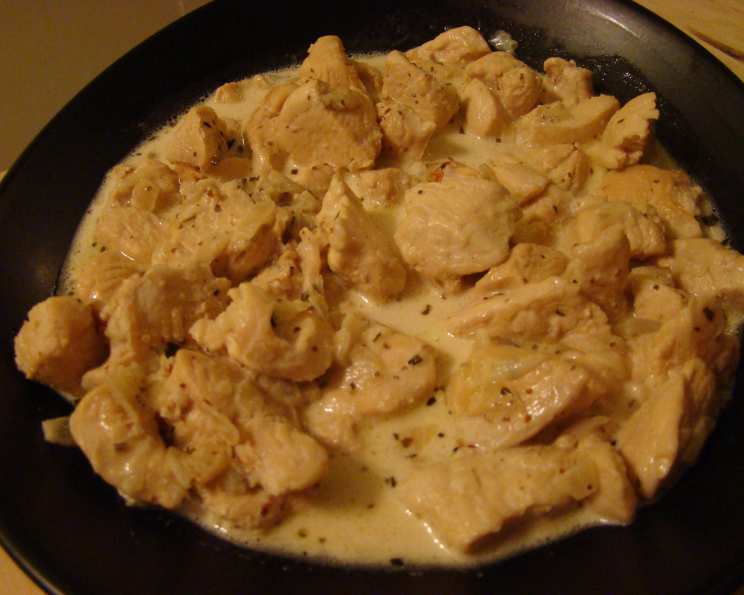
Chicken with Mustard and Tarragon Cream Sauce: A Culinary Embrace
There are certain dishes that transcend mere sustenance and become etched in our memories. This Chicken with Mustard and Tarragon Cream Sauce is one of those for me. I remember the first time I tasted it – a chilly autumn evening, the scent of woodsmoke in the air, and the golden glow of candlelight dancing on the creamy sauce. It was at a small bistro in the French countryside, a place where the air was thick with the promise of culinary magic. Each bite was a revelation, a perfect harmony of savory chicken, pungent mustard, and the bright, herbaceous kiss of tarragon. It was a culinary embrace that warmed me from the inside out, and I’ve been chasing that feeling ever since.
Recipe Overview
- Prep Time: 10 minutes
- Cook Time: 35 minutes
- Total Time: 45 minutes
- Servings: 4
- Yield: 4 pieces chicken
- Dietary Type: Not Gluten-Free (can be with modifications)
Ingredients
- 1 tablespoon butter
- 1 tablespoon olive oil
- 3 lbs whole chickens, cut into 8 pieces (or use bone-in, skin-on chicken thighs and breasts)
- ¾ cup chopped shallot
- ¼ cup brandy
- 1 cup low sodium chicken broth
- ½ cup whipping cream
- 4 teaspoons chopped fresh tarragon
- 2 teaspoons Dijon mustard
- Salt and pepper to taste
Equipment Needed
- Heavy large skillet
- Tongs
- Plate
- Platter
Instructions
-
In a heavy large skillet, melt the butter together with the olive oil over high heat. This combination creates a rich base for browning the chicken.
-
Thoroughly sprinkle the chicken pieces with salt and pepper. Seasoning at this stage is crucial for developing flavor throughout the dish.
-
Cook the chicken, skin side down, in the hot skillet until beautifully browned, approximately 5 minutes. Resist the urge to move the chicken around; allowing it to sear undisturbed is key to achieving a crispy skin.
-
Turn the chicken pieces over and cook for an additional 1 minute. This brief cooking on the other side helps to seal in the juices.
-
Using tongs, transfer the chicken to a plate and set aside. The chicken is not fully cooked at this point, but the initial searing provides a foundation of flavor and texture.
-
Add the chopped shallots to the same skillet. Reduce the heat to medium-low and sauté until the shallots are softened and translucent, about 3 minutes. This step creates a flavorful base for the sauce.
-
Pour in the brandy and simmer until the liquid is reduced, making sure to scrape up any browned bits from the bottom of the skillet. This deglazing process releases all the delicious flavors and adds depth to the sauce, about 2 minutes.
-
Whisk in the low sodium chicken broth. Using low sodium broth allows you to control the saltiness of the final dish.
-
Return the chicken pieces to the skillet, placing them skin side up.
-
Reduce the heat to medium-low, cover the skillet, and simmer until the chicken is cooked through and the juices run clear when pierced with a fork, about 20 minutes. The internal temperature should reach 165°F (74°C).
-
Transfer the cooked chicken to a platter, keeping it warm. Reserve the skillet with the pan juices.
-
In the same skillet (with the pan juices), whisk together the whipping cream, chopped fresh tarragon, and Dijon mustard. The tarragon adds a delicate anise-like flavor that complements the mustard and cream beautifully.
-
Increase the heat to high and boil the sauce until it is thickened, about 2 minutes. Keep a close eye on the sauce to prevent it from scorching.
-
Season the sauce with salt and pepper to taste. Adjust seasoning as needed for the perfect flavor balance.
-
Pour the creamy sauce generously over the chicken on the platter.
Expert Tips & Tricks
- Achieving perfectly browned chicken: Ensure the skillet is thoroughly heated before adding the chicken. Pat the chicken dry with paper towels to remove excess moisture, which can hinder browning. Don’t overcrowd the skillet; cook in batches if necessary.
- Preventing sauce from curdling: Use full-fat whipping cream for the richest flavor and to minimize the risk of curdling. Avoid boiling the cream sauce for too long, as excessive heat can cause it to separate.
- Adding depth of flavor: For an even richer flavor, consider adding a splash of dry white wine along with the brandy during the deglazing step. You can also use chicken stock in place of broth, but be aware it will be saltier.
- Make-Ahead Option: You can prepare the chicken and sauce separately up to a day in advance. Store the chicken in an airtight container in the refrigerator. Reheat the chicken gently in the oven or microwave until warmed through. Reheat the sauce in a saucepan over low heat, stirring occasionally, until heated through.
Serving & Storage Suggestions
This Chicken with Mustard and Tarragon Cream Sauce is best served immediately, spooned over steamed rice, mashed potatoes, or crusty bread to soak up all that delicious sauce. Garnish with extra fresh tarragon sprigs for a pop of color and aroma.
Leftovers can be stored in an airtight container in the refrigerator for up to 3 days. To reheat, gently warm in a skillet over low heat or in the microwave, stirring occasionally, until heated through. Adding a splash of chicken broth or cream can help to loosen the sauce if it has thickened too much during refrigeration. Freezing is not recommended as the cream sauce may separate upon thawing.
Nutritional Information
Please note that these are estimated values and may vary based on specific ingredients and preparation methods.
| Nutrient | Amount per Serving | % Daily Value |
|---|---|---|
| Calories | 711.8 kcal | N/A |
| Calories from Fat | 474 g | 67% |
| Total Fat | 52.7 g | 81% |
| Saturated Fat | 19.2 g | 96% |
| Cholesterol | 208.8 mg | 69% |
| Sodium | 232.1 mg | 9% |
| Total Carbohydrate | 7.7 g | 2% |
| Dietary Fiber | 0.2 g | 0% |
| Sugars | 0.2 g | 0% |
| Protein | 40.8 g | 81% |
Variations & Substitutions
- Gluten-Free: To make this dish gluten-free, ensure that your chicken broth and Dijon mustard are gluten-free. Serve with rice or gluten-free bread instead of traditional bread.
- Dairy-Free: Substitute the whipping cream with full-fat coconut milk for a dairy-free alternative. The flavor will be slightly different, but still delicious.
- Herb Variations: While tarragon is the classic choice, you can experiment with other herbs like parsley, chives, or thyme.
- Chicken Cut: Feel free to use bone-in, skin-on chicken thighs and breasts for a more economical option. Adjust cooking time as needed to ensure the chicken is cooked through.
FAQs (Frequently Asked Questions)
Q: Can I use dried tarragon instead of fresh?
A: While fresh tarragon provides the best flavor, you can use dried tarragon in a pinch. Use about 1 teaspoon of dried tarragon for every 1 tablespoon of fresh tarragon.
Q: How do I prevent the chicken skin from sticking to the pan?
A: Ensure that your skillet is hot before adding the chicken. Pat the chicken skin dry and don’t move the chicken around until it has had a chance to sear and release from the pan.
Q: Can I add vegetables to this dish?
A: Absolutely! Mushrooms, asparagus, or green beans would be delicious additions. Add them to the skillet along with the shallots, or towards the end of cooking so they don’t overcook.
Q: What kind of wine pairs well with this dish?
A: A crisp, dry white wine like Sauvignon Blanc or Pinot Grigio would be a lovely pairing. The acidity of the wine will cut through the richness of the cream sauce.
Q: Can I make this recipe in a slow cooker?
A: Yes, you can adapt this recipe for a slow cooker. Sear the chicken as directed, then transfer it to the slow cooker. Add the shallots, brandy, and chicken broth. Cook on low for 6-8 hours or on high for 3-4 hours. Stir in the cream, tarragon, and mustard during the last 30 minutes of cooking.
Final Thoughts
This Chicken with Mustard and Tarragon Cream Sauce is more than just a recipe; it’s an experience waiting to happen. The combination of simple ingredients and classic techniques results in a dish that is both comforting and elegant. Don’t be afraid to experiment with variations and substitutions to make it your own. I encourage you to try this recipe and share your feedback. Pair it with a glass of your favorite white wine and enjoy the culinary embrace!