
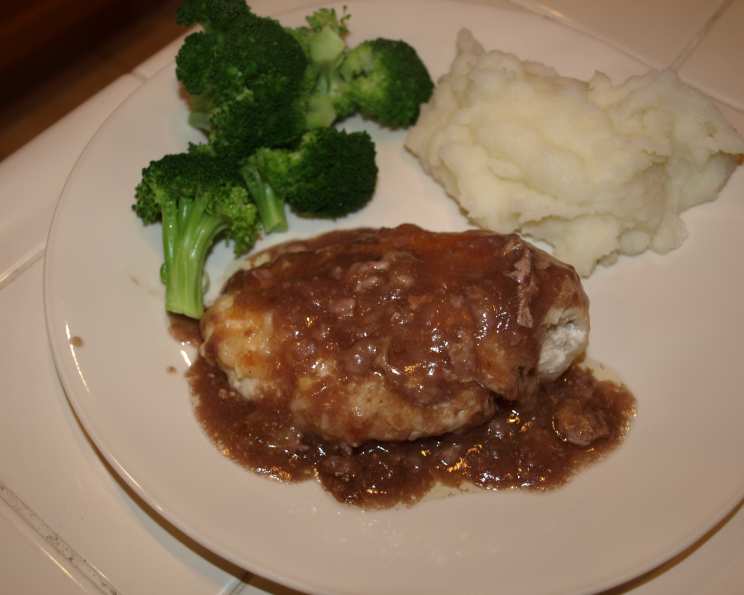
Chicken with Red Wine Reduction: A Bistro Classic Made Easy
I remember the first time I tasted a truly remarkable red wine reduction. It was at a tiny, unassuming restaurant tucked away on a cobblestone street during a trip to Paris. The rich, complex sauce, draped over a simple pan-seared chicken breast, elevated the entire dish into something sublime. That’s the magic of a good reduction – it takes humble ingredients and transforms them into an experience. This recipe captures that essence, bringing a touch of Parisian charm to your own kitchen.
Recipe Overview
- Prep Time: 10 minutes
- Cook Time: 20 minutes
- Total Time: 30 minutes
- Servings: 4
- Dietary Type: Gluten-Free (if flour is omitted or gluten-free flour used)
Ingredients
- 4 boneless, skinless chicken breasts
- Salt and black pepper to taste
- Flour (for dredging, optional, or substitute with gluten-free flour or a rub)
- 3 tablespoons unsalted butter, divided
- 1 tablespoon olive oil
For the Red Wine and Mustard Sauce:
- ¼ cup chicken stock
- ¼ cup red wine (a dry variety like Cabernet Sauvignon or Merlot works well)
- 1 teaspoon Dijon mustard
Equipment Needed
- Large skillet (12-inch)
- Shallow bowl or plate for flour
- Oven (for warming chicken)
Instructions
- Prepare your workstation. Place a good handful of flour (if using) in a shallow bowl, pie plate, or deep dinner plate near the stove.
- In a small bowl, whisk together the chicken stock, red wine, and Dijon mustard. Set aside. This is your red wine reduction sauce base.
- Heat 2 tablespoons of the unsalted butter and the olive oil in the large skillet over medium heat. It’s crucial to use a pan large enough to comfortably fit all the chicken breasts without overcrowding.
- Test the oil/butter mixture by flicking a small amount of the flour (if using) into it. If it sizzles and turns brown relatively quickly, the pan is ready.
- Season the chicken breasts generously with salt and pepper.
- Dredge one of the chicken breasts in the flour (if using), ensuring both sides are well-coated. Shake off any excess flour.
- Increase the heat to medium-high. Carefully place the floured (or un-floured) chicken breast into the hot skillet.
- Dredge the next chicken breast while the first one is searing, and place it in the pan. Repeat until all four chicken breasts are in the skillet.
- Cook the chicken breasts for 3 to 4 minutes per side, flipping them in the same order you placed them in the pan. This ensures even cooking.
- Once the chicken breasts are cooked through (internal temperature reaches 165°F or 74°C), remove them from the skillet and place them on a plate. Keep them warm in a preheated oven (around 200°F or 95°C).
- Turn the heat under the skillet to high. Pour in the chicken stock, red wine, and mustard mixture.
- Bring the sauce to a boil. Stir constantly, scraping up all the flavorful browned bits from the bottom of the pan. These bits, known as fond, are essential for a rich and complex sauce.
- Continue to boil the sauce until it has reduced and thickened slightly, about 3-5 minutes. It should be able to coat the back of a spoon.
- Remove the skillet from the heat. Tilt the pan to one side and swirl in the remaining 1 tablespoon of butter. This technique, called “monter au beurre,” adds richness and shine to the sauce.
- Spoon the red wine reduction sauce generously over the warm chicken breasts and serve immediately.
Expert Tips & Tricks
- Don’t overcrowd the pan: Cooking the chicken in batches ensures proper searing and prevents the pan temperature from dropping too low.
- Pat the chicken dry: Before seasoning, pat the chicken breasts dry with paper towels. This helps them to brown better.
- Adjust the sauce thickness: If the sauce is too thin, continue boiling it until it reaches your desired consistency. If it becomes too thick, add a splash more chicken stock.
- Use a good quality red wine: The flavor of the wine will significantly impact the taste of the sauce. Choose a dry, full-bodied wine you would enjoy drinking.
- Enhance with herbs: Add fresh thyme or rosemary sprigs to the pan while the sauce is reducing for an extra layer of flavor. Remove before serving.
- Customize your crust: Instead of flour, try using a mixture of breadcrumbs, herbs, and spices for a more flavorful crust. As I’ve done, experiment with different chicken rubs for a unique twist.
Serving & Storage Suggestions
Serve the Chicken with Red Wine Reduction immediately for the best flavor and texture. This dish pairs beautifully with roasted vegetables, mashed potatoes, or a simple green salad.
Leftovers can be stored in an airtight container in the refrigerator for up to 3 days. Reheat gently in a skillet over low heat or in the microwave. The sauce may thicken upon refrigeration, so add a little chicken stock or water if needed to thin it out.
While technically safe to eat if left at room temperature for a few hours, it is not advisable due to food safety concerns. Freezing is possible, though the sauce’s texture might change slightly upon thawing.
Nutritional Information
| Nutrient | Amount per Serving | % Daily Value |
|---|---|---|
| Calories | 300 kcal | 15% |
| Total Fat | 17.8g | 27% |
| Saturated Fat | 6.8g | 34% |
| Cholesterol | 98.9mg | 32% |
| Sodium | 866.7mg | 36% |
| Total Carbohydrate | 4.2g | 1% |
| Dietary Fiber | 2g | 8% |
| Sugars | 0.9g | 3% |
| Protein | 28.2g | 56% |
Note: Nutritional information is an estimate and may vary depending on specific ingredients and preparation methods.
Variations & Substitutions
- Gluten-Free: Omit the flour entirely or use a gluten-free flour blend for dredging. Ensure your chicken stock and Dijon mustard are also gluten-free.
- Dairy-Free: Substitute the butter with a dairy-free butter alternative or use olive oil for the entire recipe.
- Vegetarian: While this recipe is for chicken, you could adapt the red wine reduction for use with grilled portobello mushrooms or seared tofu for a vegetarian option.
- Spice it up: Add a pinch of red pepper flakes to the sauce for a little heat.
- Sweeten it: A touch of honey or maple syrup can add a hint of sweetness to balance the acidity of the red wine.
FAQs (Frequently Asked Questions)
Q: Can I use a different type of wine?
A: Yes, but stick with dry red wines like Merlot, Pinot Noir, or Chianti. Avoid sweet or dessert wines, as they will alter the flavor profile of the sauce.
Q: How do I know when the chicken is cooked through?
A: The safest and most accurate way is to use a meat thermometer. Insert it into the thickest part of the breast, and it should read 165°F (74°C). The juices should also run clear when pierced with a fork.
Q: Can I make the sauce ahead of time?
A: Yes, you can prepare the sauce up to a day in advance. Store it in an airtight container in the refrigerator and reheat gently before serving. You may need to add a little chicken stock to thin it out if it thickens too much.
Q: What sides go well with this dish?
A: Roasted vegetables (like asparagus, Brussels sprouts, or carrots), mashed potatoes, rice pilaf, or a simple green salad are all excellent choices.
Q: My sauce is too bitter. What can I do?
A: A small amount of butter or a tiny pinch of sugar can help balance the bitterness. Also, ensure you’re using a good quality red wine that you enjoy the taste of.
Final Thoughts
This Chicken with Red Wine Reduction is more than just a recipe; it’s an invitation to create a little bit of magic in your own kitchen. Don’t be intimidated by the elegant presentation – the simple steps and readily available ingredients make it a surprisingly accessible dish. So, gather your ingredients, pour yourself a glass of that red wine, and get ready to impress your family and friends with this bistro classic. I encourage you to try this recipe and let me know what you think. Bon appétit!