
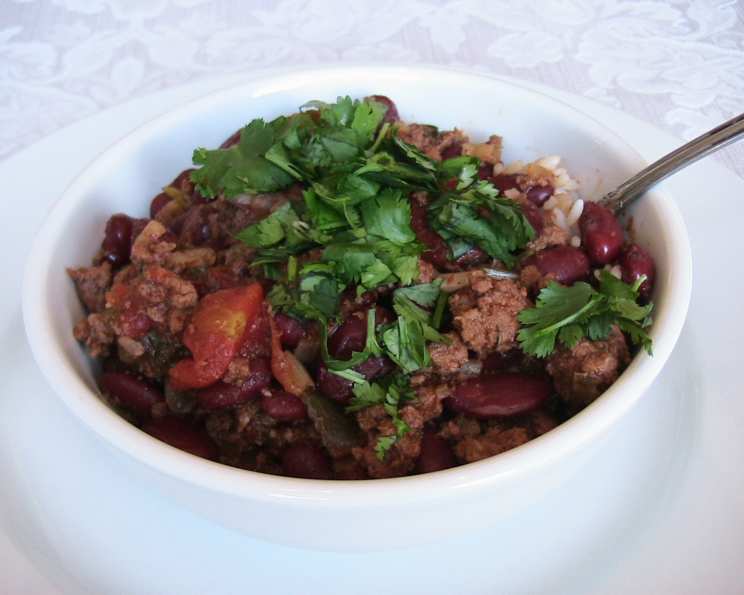
Chile Con Carne With Red Beans: A Culinary Comfort
I remember my first taste of truly authentic chile con carne. It wasn’t in a fancy restaurant, but at a small, family-run diner in San Antonio, Texas. The aroma alone was intoxicating – a symphony of spices and slow-cooked goodness that promised warmth and satisfaction. The first spoonful was a revelation: tender beef, plump red beans, and a deep, complex flavor that lingered on my palate. It was more than just a meal; it was an experience that sparked my lifelong love affair with Southwestern cuisine. This recipe, while my own adaptation, strives to capture that same comforting essence and bold flavor.
Recipe Overview
- Prep Time: 20 minutes
- Cook Time: 2 hours
- Total Time: 2 hours 20 minutes
- Servings: 4-6
- Yield: About 8 cups
- Dietary Type: Gluten-Free (naturally)
Ingredients
- 8 ounces dried red kidney beans
- 8 ounces extra lean ground beef (10-percent fat or less)
- 1 1/2 teaspoons salt
- 4 cups cold water
- 2 small onions, peeled and cut into 1-inch pieces (or 1 medium onion, 4 ounces)
- 6 scallions, trimmed, keeping most of the green, and cut into 1/2-inch pieces (1 cup)
- 5-6 garlic cloves, peeled, crushed, and chopped (1 tablespoon)
- 1 jalapeño pepper, seeded and chopped (2 teaspoons)
- 1 (14 ounce) can tomatoes, in sauce
- 1⁄2 teaspoon dried thyme leaves
- 1 teaspoon ground cumin
- 1 1⁄2 tablespoons chili powder
- 2 bay leaves
- 1⁄3 cup finely chopped cilantro stems
- Cooked boiled rice, for serving
- 1⁄3 cup loose coarsely chopped cilantro leaf, for garnish
Equipment Needed
- Stockpot (at least 6-quart capacity)
- Sieve or colander
- Cutting board
- Knife
- Measuring cups and spoons
Instructions
- Begin by preparing the red kidney beans. Sort through them carefully, removing and discarding any damaged beans or small stones. Then, rinse the beans thoroughly in a sieve under cold water until the water runs clear. This helps remove any debris and ensures a cleaner flavor.
- In a large stockpot, combine the rinsed red kidney beans, extra lean ground beef, salt, and cold water. This is the foundation of our chili.
- Place the stockpot over high heat and bring the mixture to a vigorous boil. This should take approximately 10 minutes. Keep a close watch to prevent the pot from boiling over.
- Once boiling, immediately reduce the heat to low, cover the pot tightly, and allow the mixture to boil gently for 1 hour. This slow simmering process is crucial for tenderizing the beans and allowing the flavors to meld.
- After the initial hour of simmering, it’s time to introduce the aromatic vegetables and spices. Add the onions, scallions, garlic, jalapeño pepper, tomatoes (with their sauce), dried thyme leaves, ground cumin, chili powder, bay leaves, and finely chopped cilantro stems to the stockpot.
- Stir well to ensure all the ingredients are evenly distributed.
- Increase the heat to high once more and bring the mixture back to a boil. Then, reduce the heat to low again, cover the pot, and continue to boil gently for another hour. At this stage, the chili will still be somewhat soupy, but the flavors will have deepened considerably. The beans should be very tender.
- After the second hour of cooking, taste and adjust the seasoning as needed. You may want to add a pinch more salt, chili powder, or cumin, depending on your personal preference. Remember that flavors will continue to develop as the chili rests.
- To serve, spoon the chile con carne generously over a bed of freshly cooked boiled rice.
- Garnish each serving with a sprinkle of loose coarsely chopped cilantro leaf for a fresh, vibrant finish.
Expert Tips & Tricks
- Spice Level Adjustment: The jalapeño pepper adds a moderate amount of heat. For a milder chili, ensure you remove all the seeds and membranes from the jalapeño before chopping. For a spicier chili, leave some of the seeds intact or add a pinch of cayenne pepper.
- Beef Browning (Optional): While this recipe omits browning the ground beef beforehand for simplicity, you can certainly brown it in the stockpot before adding the beans and water. Drain any excess fat after browning. This can add a deeper, richer flavor to the chili.
- Cilantro Stem Secret: Don’t discard those cilantro stems! They are packed with flavor and add a subtle depth to the chili. Chop them finely and add them during the cooking process, as the recipe indicates.
- Consistency Control: If you prefer a thicker chili, you can mash some of the beans against the side of the pot with a spoon during the last 30 minutes of cooking. This will release their starch and thicken the sauce. Alternatively, you can stir in a tablespoon of cornstarch mixed with two tablespoons of cold water at the end of the cooking time. Bring to a simmer for a couple of minutes to thicken.
- Slow Cooker Adaptation: This recipe can easily be adapted for a slow cooker. Simply combine all the ingredients in the slow cooker, stir well, and cook on low for 6-8 hours or on high for 3-4 hours.
Serving & Storage Suggestions
Serve the chile con carne hot, spooned generously over cooked rice. A dollop of sour cream or plain yogurt adds a cool, creamy contrast to the rich chili. A side of warm cornbread or crusty bread is also a welcome addition for sopping up the delicious sauce.
Leftover chile con carne can be stored in an airtight container in the refrigerator for up to 3-4 days. It can also be frozen for up to 2-3 months. Thaw frozen chili in the refrigerator overnight before reheating.
To reheat, simply place the chili in a saucepan over medium heat and simmer until heated through, stirring occasionally. You may need to add a splash of water or broth if the chili has thickened too much during storage.
Nutritional Information
| Nutrient | Amount per Serving | % Daily Value |
|---|---|---|
| Calories | 327 kcal | N/A |
| Calories from Fat | 38 g | 12% |
| Total Fat | 4.3 g | 6% |
| Saturated Fat | 1.5 g | 7% |
| Cholesterol | 34.7 mg | 11% |
| Sodium | 960.9 mg | 40% |
| Total Carbohydrate | 47.4 g | 15% |
| Dietary Fiber | 12.2 g | 48% |
| Sugars | 6.3 g | 25% |
| Protein | 27.2 g | 54% |
Note: Nutritional information is an estimate and may vary based on specific ingredients and portion sizes.
Variations & Substitutions
- Vegetarian Chile: Omit the ground beef and add an extra can of beans (such as black beans or pinto beans) or 1 cup of chopped vegetables like bell peppers, zucchini, or corn.
- Spicy Chile: Add a pinch of cayenne pepper, a dash of hot sauce, or use a hotter pepper like a serrano pepper instead of a jalapeño.
- Smoked Chile: Add 1/2 teaspoon of smoked paprika to the spice blend for a smoky flavor.
- Beer Chile: Substitute 1 cup of the water with a dark beer like stout or porter for a richer, more complex flavor. Add the beer along with the tomatoes and spices.
- Chicken Chile: Substitute the ground beef with ground chicken or shredded cooked chicken. Reduce the initial cooking time with the beans to 30 minutes.
FAQs (Frequently Asked Questions)
Q: Can I use canned kidney beans instead of dried beans?
A: Yes, you can. Use about 3 cups of canned kidney beans, rinsed and drained. Add them along with the tomatoes and spices in step 5. You will only need to simmer the chili for the second hour to allow the flavors to meld.
Q: Do I have to use extra lean ground beef?
A: Using extra lean ground beef helps keep the chili lower in fat. However, you can use regular ground beef if you prefer. Just be sure to drain off any excess fat after browning, if you choose to brown the beef.
Q: Can I make this chili ahead of time?
A: Absolutely! In fact, chile con carne often tastes even better the next day as the flavors have had more time to meld together. Store it in the refrigerator and reheat before serving.
Q: What’s the best way to thaw frozen chili?
A: The best way to thaw frozen chili is to transfer it from the freezer to the refrigerator the night before you plan to use it. If you’re short on time, you can thaw it in the microwave using the defrost setting, but be sure to stir it frequently to ensure even thawing.
Q: Can I use a different type of bean?
A: Yes, you can experiment with different types of beans. Pinto beans, black beans, or even great northern beans would all work well in this recipe.
Final Thoughts
This chile con carne with red beans is more than just a recipe; it’s an invitation to create a warm, comforting, and flavorful meal that you can share with friends and family. Don’t be afraid to experiment with the ingredients and spices to make it your own. I encourage you to gather your ingredients, put on some music, and immerse yourself in the joy of cooking. I hope you enjoy this recipe as much as I do. And if you try it, please let me know how it turns out! Perhaps pair it with a crisp Mexican beer for the full experience. Happy cooking!