
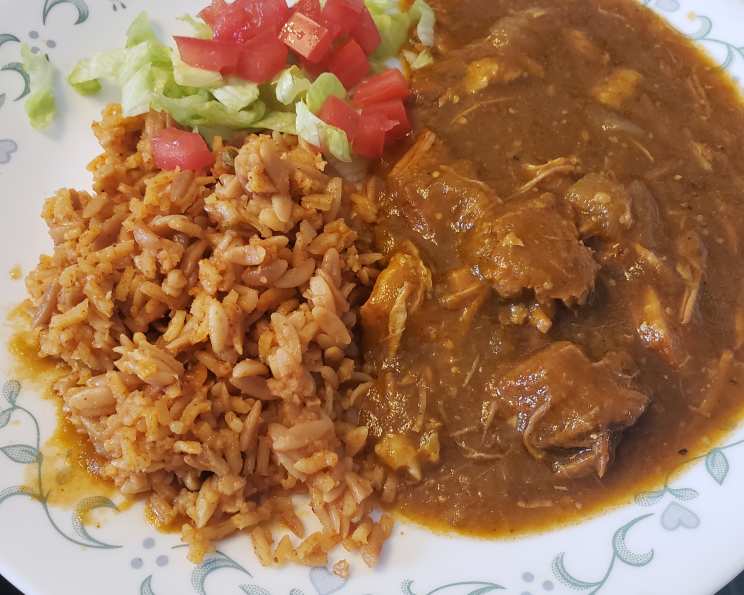
Chile Verde (La Frontera-Style)
The scent of roasting tomatillos always takes me back to my abuela’s kitchen. She lived in a small casita just outside of Tucson, and the air was perpetually thick with the aroma of simmering chiles and slow-cooked meats. Chile Verde was her specialty – a vibrant, comforting dish that was as much a part of our family gatherings as laughter and stories. The way the tender pork melted in your mouth, coated in that tangy, spicy sauce… it was pure magic. I’ve spent years chasing that flavor, and this recipe, inspired by the La Frontera tradition, comes incredibly close.
Recipe Overview
- Prep Time: 30 minutes
- Cook Time: 4 hours 0 minutes
- Total Time: 4 hours 30 minutes
- Servings: 12
- Yield: About 1 cup per serving
- Dietary Type: Can be Gluten-Free (check labels on canned items and use gluten-free flour/cornstarch)
Ingredients
- 2 lbs pork roast
- 10 tomatillos, stems and papers removed, cut into large chunks
- 6 small jalapeño chiles, stems and seeds removed, cut into pieces
- 6 serrano chilies, stems and seeds removed, cut into pieces
- 3 anaheim chilies (optional)
- ½ cup fresh cilantro
- 1 (4 ounce) can green chilies
- 1 (10 ounce) can diced tomatoes
- 1 (7 ounce) can tomato sauce
- 2 cups chicken broth
- 1 teaspoon oregano
- 1 teaspoon ground cumin
- 1 teaspoon chili powder
- ¼ cup all-purpose flour (or gluten-free flour blend)
- 2 tablespoons olive oil, plus more as needed
- 1 large onion, chopped, some reserved for garnish
- 1 tablespoon garlic, minced
- 2 tablespoons cornstarch
- 2 ounces cold water
Equipment Needed
- Food processor or blender
- Slow cooker
- Large frying pan
Instructions
-
First, prepare your chile base. In the bowl of a food processor, add the tomatillos, jalapeño chiles, serrano chiles, and Anaheim chiles (if using). Add the fresh cilantro. Purée all ingredients until smooth.
-
Add the can of green chiles, diced tomatoes, and tomato sauce to the food processor. Continue blending until the mixture is a consistent color and texture. This should create a vibrant green sauce.
-
Pour the mixture into a slow-cooker.
-
Add the chicken broth, oregano, cumin, and chili powder to the slow-cooker. Stir well to combine all ingredients.
-
Turn the slow-cooker on high heat and cover.
-
While the sauce is heating up, prepare the pork. Dust the pork with flour, salt, and pepper. Make sure to coat all sides of the pork. This will help to create a nice crust when searing and will also help to thicken the sauce later on.
-
In a large frying pan over medium heat, warm the olive oil.
-
Add the onions and garlic to the frying pan and sauté until the onions are tender, about 5 minutes. Don’t let the garlic burn. Transfer the sautéed onions and garlic to the slow-cooker.
-
Add more olive oil to the frying pan, if needed. Add the pork in batches, and cook until browned thoroughly on all sides. Searing the pork adds a depth of flavor to the final dish. Transfer the browned pork to the slow-cooker.
-
Let cook in the slow-cooker on high for 2 hours.
-
After 2 hours, reduce the heat to medium or low and cook for at least another 2 hours. For very tender pork, cook on low heat for 8 or more hours. The longer it cooks, the more tender the pork will become.
-
Thirty minutes before serving, mix the cornstarch with the cold water in a small bowl to create a slurry. This will prevent lumps from forming when added to the hot sauce.
-
Add the cornstarch slurry to the slow-cooker. Stir well to combine. Add more slurry if you want to thicken the sauce further.
-
Serve hot. Cover the bean burritos with the chile verde pork, and garnish with chopped onions and grated cheese. You can also serve the Chile Verde with rice, tortillas, or as a stew.
Expert Tips & Tricks
- For a deeper, richer flavor, consider roasting the tomatillos, jalapeños, serranos, and Anaheim peppers (if using) under the broiler before adding them to the food processor. Keep a close eye on them to avoid burning.
- If you don’t have a slow cooker, you can braise the pork in a Dutch oven in the oven at 325°F (160°C) for about 3-4 hours, or until the pork is very tender.
- If you prefer a smoother sauce, you can use an immersion blender to blend the sauce directly in the slow cooker after the pork is cooked. Be careful to avoid splattering.
- To adjust the heat level, you can use more or fewer jalapeños and serranos, or omit the Anaheim peppers altogether. Remember that removing the seeds and membranes from the chiles will also reduce the heat.
- For a vegetarian version, substitute the pork with diced potatoes or mushrooms.
Serving & Storage Suggestions
Serve the Chile Verde hot, garnished with chopped onions, cilantro, and a dollop of sour cream or Mexican crema. It’s excellent with warm tortillas, rice, or refried beans.
Leftovers can be stored in an airtight container in the refrigerator for up to 3-4 days. For longer storage, freeze in freezer-safe containers for up to 2-3 months. Reheat gently on the stovetop or in the microwave until heated through.
Nutritional Information
Estimated values based on available data and may vary depending on specific ingredients and serving size.
| Nutrient | Amount per Serving | % Daily Value |
|---|---|---|
| Calories | 300 kcal | 15% |
| Total Fat | 18g | 28% |
| Saturated Fat | 6g | 30% |
| Cholesterol | 75mg | 25% |
| Sodium | 550mg | 23% |
| Total Carbohydrate | 15g | 5% |
| Dietary Fiber | 3g | 12% |
| Sugars | 6g | |
| Protein | 20g | 40% |
Variations & Substitutions
- Gluten-Free: Substitute the all-purpose flour with a gluten-free flour blend and ensure the canned ingredients are gluten-free. Use corn tortillas instead of flour tortillas.
- Spicier: Add more serrano or jalapeño peppers, or a pinch of cayenne pepper, to increase the heat level.
- Milder: Reduce the number of serrano and jalapeño peppers, or remove the seeds and membranes before adding them to the food processor.
- Vegetarian: Substitute the pork with potatoes, mushrooms, or a combination of vegetables. You can also use vegetable broth instead of chicken broth.
- Instant Pot: Brown the pork using the sauté function, then add all the ingredients to the Instant Pot. Cook on high pressure for 45 minutes, followed by a 15-minute natural pressure release.
- Smoked Chile Verde: Use a smoked pork shoulder or add a chipotle pepper in adobo sauce to the sauce for a smoky flavor.
FAQs (Frequently Asked Questions)
Q: Can I make this ahead of time?
A: Absolutely! In fact, the flavors often improve after a day or two in the refrigerator. Simply reheat before serving.
Q: What kind of pork roast is best for Chile Verde?
A: Pork shoulder (also known as pork butt) is ideal because it has a good amount of fat, which keeps the meat moist and tender during the slow cooking process.
Q: Can I use canned tomatillos instead of fresh?
A: While fresh tomatillos provide the best flavor, you can use canned tomatillos in a pinch. Be sure to drain them well before adding them to the food processor. You may need to adjust the amount of chicken broth to achieve the desired consistency.
Q: How do I prevent the sauce from being too watery?
A: Ensure you brown the pork well with the flour. Also, the cornstarch slurry added at the end will thicken the sauce. If it’s still too thin, you can mix another tablespoon of cornstarch with a little cold water and add it to the slow cooker, stirring well.
Q: What are some good side dishes to serve with Chile Verde?
A: Chile Verde is delicious with rice, refried beans, warm tortillas, and a side of fresh avocado. A simple salad with a lime vinaigrette also complements the richness of the dish.
Final Thoughts
Chile Verde is more than just a recipe; it’s a taste of home, a connection to tradition, and a celebration of vibrant flavors. I encourage you to try this La Frontera-style version and experience the magic for yourself. Don’t be afraid to experiment with the ingredients to make it your own, and please share your feedback and variations. Pair it with a cold Mexican beer or a refreshing margarita for a truly authentic experience. ¡Buen provecho!