
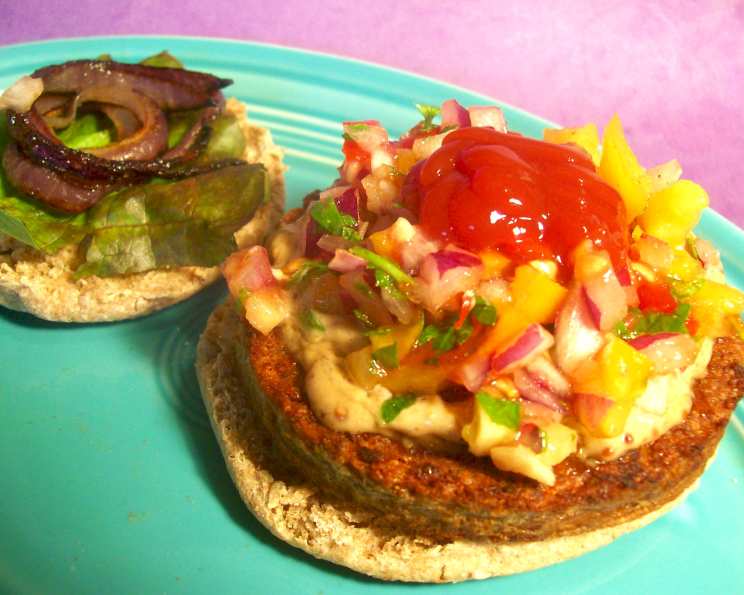
Chili Salsa: A Burst of Brazilian Flavor
One summer, while backpacking through South America, I found myself captivated by the vibrant street food scene of Rio de Janeiro. Every corner seemed to offer a new and exciting flavor, but it was the ubiquitous chili salsa, served alongside everything from grilled meats to crispy empanadas, that truly captured my heart. Its fresh, zesty kick, a delightful contrast to the heat of the Brazilian sun, became my culinary obsession. I spent weeks trying to recreate that perfect balance of spice, acidity, and freshness, and this recipe is the result of those sun-drenched experiments.
Recipe Overview
- Prep Time: 10 minutes
- Cook Time: 0 minutes (Chilling time: 1 hour)
- Total Time: 1 hour 10 minutes
- Servings: 2 (Yield: approximately 1/2 cup)
- Dietary Type: Vegan, Gluten-Free, Dairy-Free
Ingredients
- 1 large onion, diced
- 1 large tomatoes, peeled, seeded, and diced
- 2 tablespoons red wine vinegar (or 2 tablespoons lime juice)
- 2 garlic cloves, minced
- 1-2 tablespoons olive oil
- 1 teaspoon dried parsley (or 2 tablespoons fresh, minced)
- 3 drops chili sauce, or to taste
- Salt, as needed
- Pepper, as needed
Equipment Needed
- Cutting board
- Knife
- Mixing bowl
Instructions
-
Begin by preparing your vegetables. Dice one large onion into small, uniform pieces. This will ensure that the flavor is evenly distributed throughout the salsa.
-
Next, peel, seed, and dice one large tomato. To easily peel the tomato, score an “X” on the bottom with a knife, then briefly submerge it in boiling water for 30 seconds. The skin should peel off easily. Removing the seeds helps prevent the salsa from becoming too watery.
-
Mince two garlic cloves as finely as possible. This releases their pungent aroma and flavor, which is essential to the salsa’s character.
-
In a mixing bowl, combine the diced onion, diced tomato, and minced garlic.
-
Add 2 tablespoons of red wine vinegar (or lime juice, if preferred). The acidity of the vinegar or lime juice balances the sweetness of the tomatoes and onions.
-
Drizzle in 1-2 tablespoons of olive oil. The olive oil adds richness and helps bind the ingredients together. Start with 1 tablespoon and add more to achieve your desired consistency.
-
Stir in 1 teaspoon of dried parsley (or 2 tablespoons of fresh, minced parsley). Fresh parsley will provide a brighter, more vibrant flavor, while dried parsley offers a more subtle, earthy note.
-
Add 3 drops of chili sauce, or more to taste. Be cautious with the chili sauce, as its potency can vary. Taste as you go, adding more until you reach your desired level of spiciness.
-
Season with salt and pepper to taste. Remember that salt enhances all the other flavors, so don’t be afraid to season generously.
-
Mix all the ingredients thoroughly, ensuring that they are well combined.
-
Cover the bowl and chill the salsa in the refrigerator for at least one hour before serving. This allows the flavors to meld together and develop fully.
Expert Tips & Tricks
-
Adjust the spice level: If you prefer a milder salsa, start with a single drop of chili sauce and taste before adding more. You can also add a pinch of sugar to tame the heat. For a spicier salsa, use a hotter variety of chili sauce or add a pinch of cayenne pepper.
-
Use high-quality tomatoes: The flavor of the tomatoes is crucial to the success of this salsa. Choose ripe, flavorful tomatoes, preferably heirloom varieties if available. In the off-season, canned diced tomatoes can be a decent substitute, but be sure to drain them well.
-
Macerate the onions: If you find raw onions too pungent, you can macerate them in a bowl of ice water for 15-20 minutes before dicing. This will help to mellow their flavor.
-
Make it ahead: This salsa can be made up to 2 days in advance. The flavors will actually improve as they sit.
-
Pulse in a food processor: For a smoother salsa, pulse all the ingredients in a food processor until you reach your desired consistency. Be careful not to over-process, or the salsa will become watery.
Serving & Storage Suggestions
Serve this vibrant chili salsa as a condiment with grilled meats, fish, or vegetables. It’s also delicious as a topping for tacos, nachos, or eggs. In Brazil, it’s often enjoyed with pastel (fried pastries) or coxinha (chicken croquettes).
Store leftover salsa in an airtight container in the refrigerator for up to 3 days. The salsa is best served cold. It is not recommended to freeze this salsa, as the tomatoes will become mushy upon thawing.
Nutritional Information
| Nutrient | Amount per Serving | % Daily Value |
|---|---|---|
| Calories | 112.4 kcal | N/A |
| Calories from Fat | 63 kcal | N/A |
| Total Fat | 7 g | 10% |
| Saturated Fat | 1 g | 5% |
| Cholesterol | 0 mg | 0% |
| Sodium | 8.1 mg | 0% |
| Total Carbohydrate | 12.2 g | 4% |
| Dietary Fiber | 2.2 g | 9% |
| Sugars | 5.6 g | N/A |
| Protein | 1.7 g | 3% |
Note: Percent Daily Values are based on a 2,000 calorie diet.
Variations & Substitutions
-
Fruit Salsa: Add diced mango, pineapple, or peaches for a sweeter, more tropical flavor.
-
Spicier Salsa: Incorporate finely chopped jalapeño, serrano, or habanero peppers for an extra kick. Remember to handle hot peppers with care and wear gloves to prevent burning.
-
Herby Salsa: Experiment with different herbs, such as cilantro, oregano, or mint.
-
Smoked Salsa: Use smoked paprika instead of chili sauce for a smoky flavor.
-
Corn Salsa: Add grilled or roasted corn kernels for added sweetness and texture.
-
Black Bean Salsa: Add black beans for extra protein and fiber.
FAQs (Frequently Asked Questions)
Q: Can I use canned tomatoes instead of fresh tomatoes?
A: Yes, you can use canned diced tomatoes in a pinch. Be sure to drain them well to prevent the salsa from becoming too watery. Fire-roasted canned tomatoes can also add a nice smoky flavor.
Q: How long does this salsa last in the refrigerator?
A: This salsa will last for up to 3 days in the refrigerator when stored in an airtight container. The flavors will actually improve as they sit.
Q: Can I freeze this salsa?
A: Freezing is not recommended. The tomatoes will become mushy upon thawing, altering the texture of the salsa.
Q: What can I substitute for red wine vinegar?
A: Lime juice is a great substitute for red wine vinegar. You can also use white wine vinegar or apple cider vinegar.
Q: Is this salsa very spicy?
A: The spiciness of this salsa depends on the amount of chili sauce you add. Start with a small amount and taste as you go, adding more until you reach your desired level of spiciness. You can also adjust the type of chili sauce you use to control the heat.
Final Thoughts
This chili salsa is more than just a recipe; it’s a passport to the vibrant flavors of Brazil. With its simple ingredients and easy preparation, you can bring a taste of South American sunshine to your table anytime. Don’t be afraid to experiment with variations and substitutions to create your own signature salsa. I encourage you to try this recipe and share your creations with friends and family. Pair it with grilled chicken or fish for a complete and delicious meal. Bom apetite!